MPs probe possible wastage of county resources on non-devolved functions
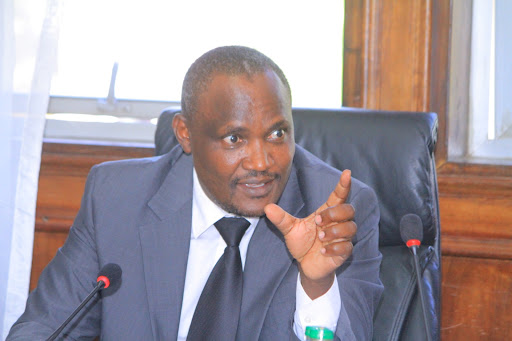
Banisa MP Hassan Adan noted bursaries have diverted resources from other key sectors such as water, roads, and infrastructure development.
by BRIAN OTIENO
Audio By Vocalize
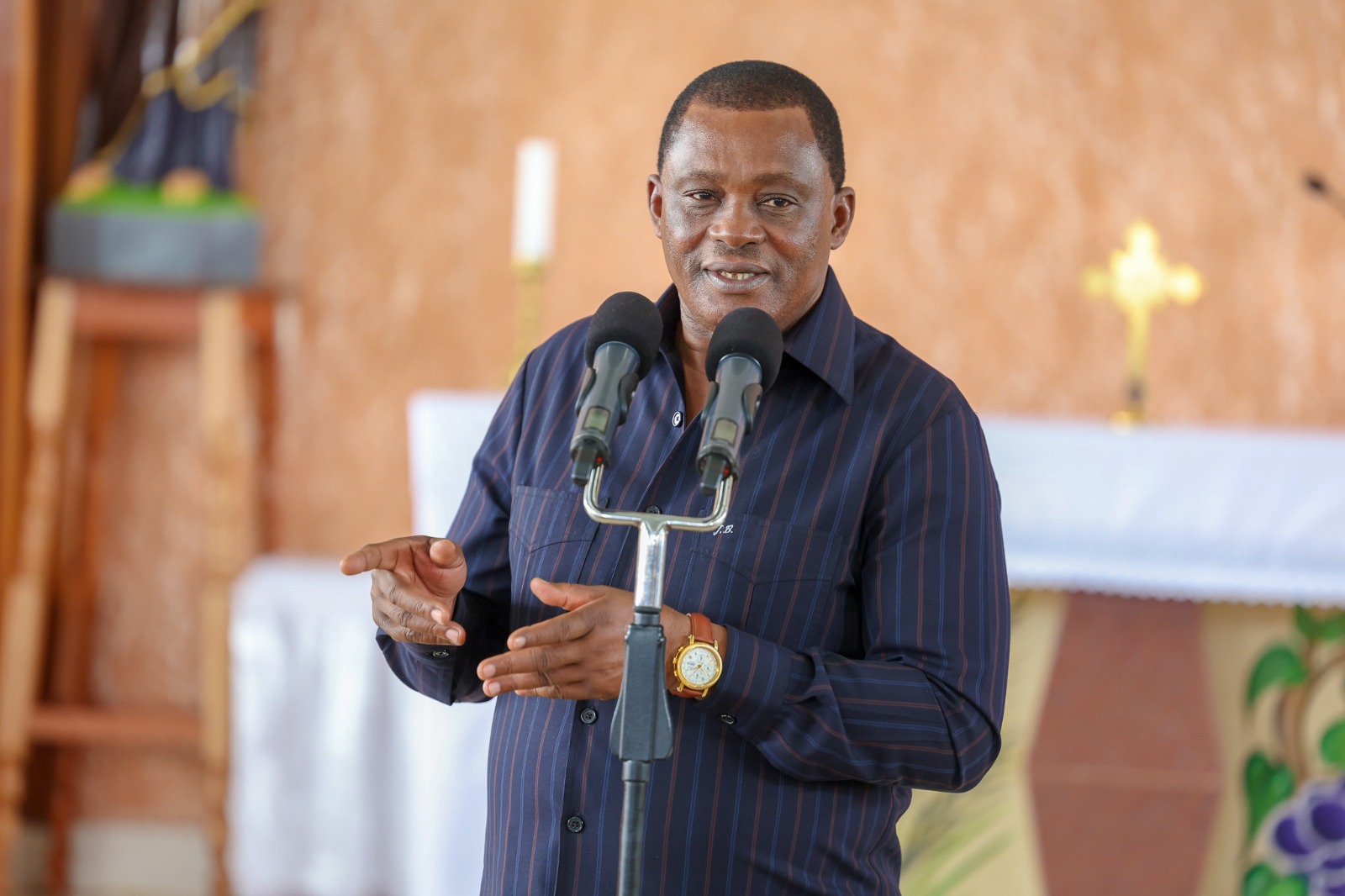
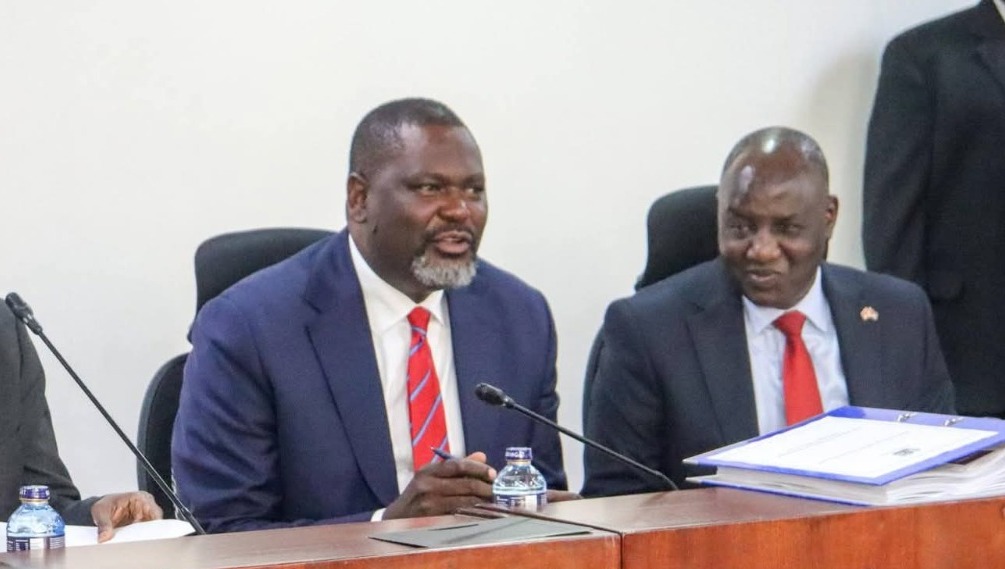
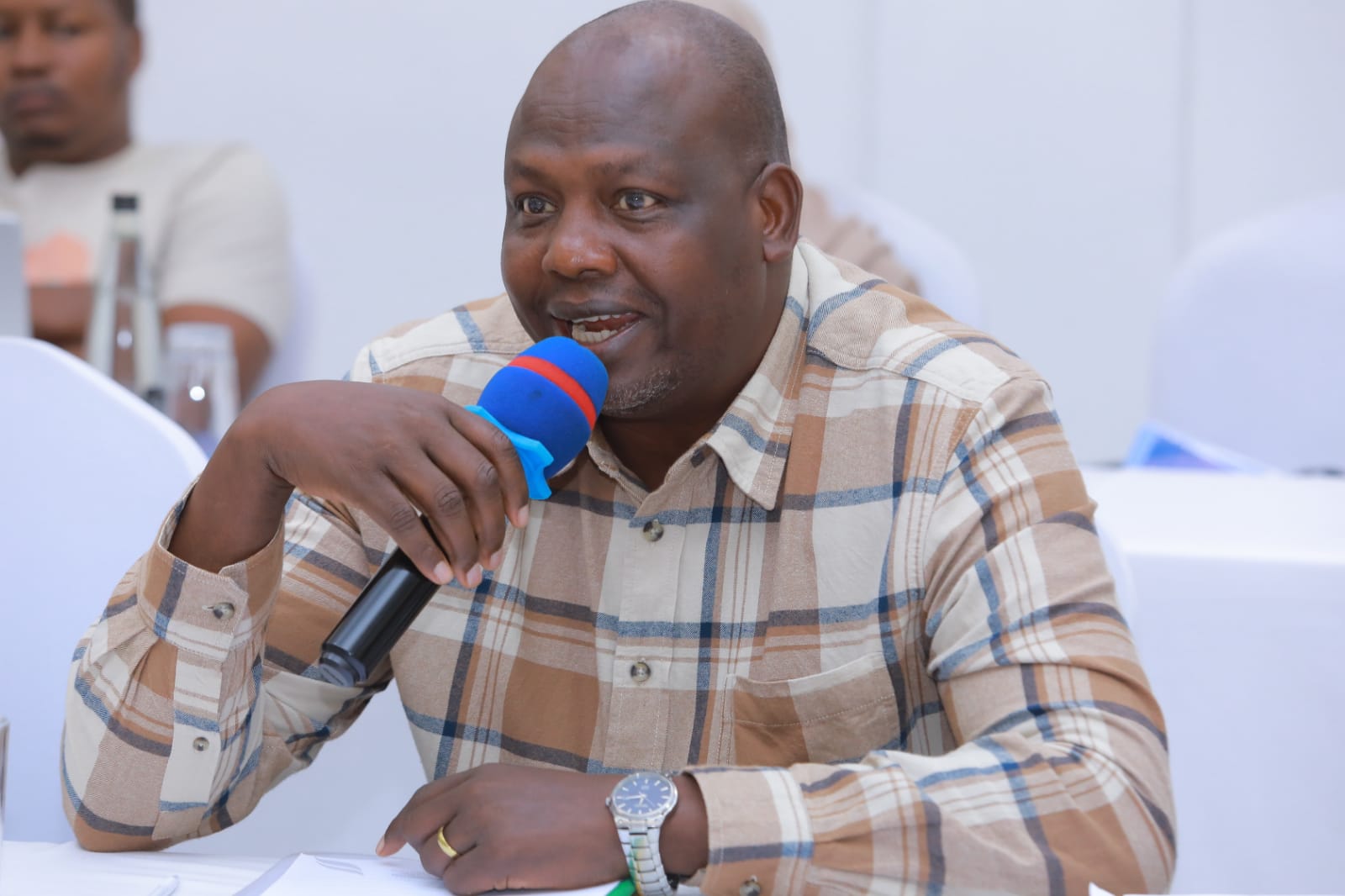
Sigor MP and chair of the National Assembly
Departmental Committee on Regional Development Peter Lokachapong in Mombasa on
Monday / BRIAN OTIENO
Counties may be funding functions that are not explicitly
theirs, leading to wastage of resources that could otherwise be used to develop
other areas, MPs have said.
The MPs, under the National Assembly Departmental Committee
on Regional Development, said partnership agreements signed between 34 counties
and the Education ministry could create a loophole through which funds meant
for development are channelled towards social protection.
Committee chair and Sigor MP Peter Lokachapong questioned
the deals in Mombasa, arguing that any function assigned to counties must be
accompanied by resources to implement it.
However, he said education support for secondary schools and
universities is not a devolved function, yet counties are providing the support
using county resources.
“Are we therefore legitimising the use of county resources
for functions that are not constitutionally assigned to counties?” he asked.
He was speaking during a session with officials from the
Intergovernmental Relations Technical Committee.
The team revealed that 34 county governments have signed
Intergovernmental Partnership Agreements with the Education ministry, enabling
them to continue supporting bursary and scholarship programmes.
Banisa MP Hassan Adan highlighted the practical challenges
faced by counties such as Mandera, which has spent substantial amounts on
bursaries over the years.
He noted that while the programme had benefited many
families, it had also diverted resources from other key sectors such as water,
roads and infrastructure development.
“We spend about Sh370 million annually on bursaries. That
money comes from resources originally intended for development projects. The
question is whether there is a sustainable and lawful funding model under these
agreements,” he said.
The Controller of Budget had at one point stopped counties
from offering bursaries and scholarship programmes, arguing that these were not
devolved functions.
Controller of Budget Margaret Nyakang’o, in January 2025,
said county officials were using the schemes to swindle funds from county
coffers and directed that such schemes should only be implemented after official
agreements with the Education ministry.
On Monday, Lokachapong questioned the legality, funding
mechanism and constitutional basis under which the 34 counties signed the IPAs.
According to IGRTC, agreements have been prepared for 36
counties, with 34 already signed and operational.
The Lokachapong-led committee heard that Nyakang’o had
received funding requisitions from 31 counties and approved disbursements to
30.
IGRTC chair Kithinji Kiragu said the 12th
Intergovernmental Summit directed them to conclude all pending agreements
within two weeks.
Nairobi, Mombasa, Nakuru, Kisumu, Mandera, Kwale and Kilifi
are among the counties that have already signed the agreements.
Kiragu said the current arrangements are anchored on Article
189 of the Constitution, which promotes cooperation between the two levels of
government, rather than Article 187 on the transfer of functions.
The MPs questioned whether the agreements are legally sound,
with Kabuchai MP Majimbo Kalasinga challenging the continued reliance on
Article 189 as the primary legal basis for the arrangements.
Kalasinga raised concerns about development projects
implemented by the national government within county jurisdictions, including
market construction and questioned whether similar agreements should be
mandatory in such cases.
Not fully convinced, Lokachapong argued that bursaries and
scholarships had traditionally been viewed as social protection interventions
rather than devolved functions.
“How then do you define this nature of education support?”
he posed.
The Sigor MP said there is no specific legal framework
governing the agreements, citing the IGRTC’s legal advisers who acknowledged
the lack of an explicit enabling law.
“Doesn’t this render the IPAs unconstitutional?” the
committee chair asked.
Kiragu, IGRTC director of legal services Sophie Amutavy and
her deputy Joy Bigambo acknowledged existing policy and legal gaps,
particularly the absence of a comprehensive framework to operationalise Article
189.
The IGRTC said a Legal Sector Working Group bringing
together key institutions, including Parliament, the Office of the Attorney
General, the National Treasury, the Controller of Budget and the Kenya Law
Reform Commission, had been established to develop a more structured framework
for intergovernmental cooperation.
Kiragu said while there is no specific legislation dedicated
to Article 189 agreements, both the constitution and the Intergovernmental
Relations Act provide sufficient legal grounding for cooperation between
national and county governments.
The MPs also questioned the voluntary nature of the IPAs,
saying some counties may refuse to sign the agreements, meaning needy learners
in those counties could miss out on crucial education support.
Emurua Dikirr MP David Keter called for measures to ensure
all counties participate in the programme, saying thousands of needy learners
risk missing out on bursary support where county governments decline to sign
the agreements.
“We may need legislation compelling every county government to
sign these agreements because bursaries are critical to our children’s
education,” Keter said.
Embu Woman Representative Njoki Njeru questioned the
criteria used to determine participation.
“Does this mean that counties that fail to sign the
agreements before the end of the financial year would lose access to funding?”
she posed.
Matungu MP Oscar Nabulindo warned against attempts to
sidestep constitutional safeguards, saying the Controller of Budget’s office
had already pronounced education support a national government function.
“The Controller of Budget is a constitutional office
mandated to guide public expenditure. If that office has pronounced itself on
this matter, are we right to use agreements to create an alternative
interpretation?” he asked.
INSTANT ANALYSIS
The Office of the Controller of Budget requires county
governments to sign Intergovernmental Partnership Agreements with the Education
ministry before disbursing bursary and scholarship funds. The framework was
established following legal disputes regarding the constitutionality of
counties funding education.



 Sigor MP and chair of the National Assembly
Departmental Committee on Regional Development Peter Lokachapong in Mombasa on
Monday / BRIAN OTIENO
Sigor MP and chair of the National Assembly
Departmental Committee on Regional Development Peter Lokachapong in Mombasa on
Monday / BRIAN OTIENO