In 2007, WW ran a booming midsized shop in Kibera with a promising future but it quickly fizzled
when a gang of over 35 men raided
it and gang-raped him before looting everything.
He had just sold his land up country at half a million shillings to get
the business going but at the height
of the post-election lawlessness, the
man lost his investment, got violated and his family survived by the
skin of their teeth.
Though the ordeal turned his
world upside down, 18 years on, it
has turned him into an activist, leading the charge against gender-based
violence, especially where men are
the victims.
The man living with albinism was
30 years old at the time and a father
of two.
It was at around 8pm and he was
closing down for the day.
Being a
popular shop at the time in the Soweto area of Kibera, customers would
come in droves, but one group came
pretending they wanted to buy but
their visit changed his life forever.
The well-built marauding men
stormed the shop, demanded that
he gives them all the monies he had
made in the day and also declared
that “you are our food today.”
“The men were close to 40 when
they stormed the shop. They pretended they were shopping for this
and that but suddenly grabbed me,
demanding that I give the proceeds
of the day. Also, they said I was the
food for the day,” WW narrated to
the Star.
Worse, he says, he heard the men say to each other that violating him
would cure their disease.
“There was a myth that if one had
sex with a person living with albinism, they would get cured from
diseases, including HIV. I later learnt
that the men were sick and believed
assaulting me would cure them.”
And it went downhill from there.
The assailants hit his head with a
panga, sending him to the ground,
and then sexually violated him until
he was unconscious.
He would only wake up at a hospital in pain.
Arising from the experience was a
tall order for him. The ordeal put his
marriage on the brink.
It took much counselling and
therapy to rise from depression,
hopelessness and suicidal thoughts
following the attack.
But, almost two decades later,
WW says he uses his ordeal as a platform for advocacy, raising awareness on male-victim violence and
encouraging them to open up to not
only receive help but also broaden
the conversation on gender-based
violence.
“Men suffer in silence and in turn
become purveyors of gender-based
violence. I have become an advocate of safe ways of dealing with
all forms of aggression, and also on
sexual and reproductive health,” he
said.
“Especially during times like International Women’s Day when focus is on social justice issues affecting women, the society must also
be told that men are also survivors
and who live with scars of social injustice. I also highlight the rights of
people living with disability.”
WW has forgiven those who sodomised him and destroyed his life,
saying vengeance is only for God.
Nelius Njuguna, a programme
adviser on legal affairs and access
to Justice at Kenya Commission on
Human Rights, says that voices like
that of WW are crucial for effective
advocacy against GBV and femicide
as they make the campaign not to be
a women affair only.
“Men are often overlooked in
discussions about gender-based violence. It is rare to hear men sharing
their experiences as survivors, and
few men speak out against GBV. It is
high time that men are empowered
and actively involved in addressing
GBV, recognising that they are often
perpetrators and they can also be
victims,” Njuguna said.
“This is why, under the Programme for Legal Empowerment
and Aid Delivery in Kenya, Kenya
Human Rights Commission has
placed men at the front and centre
of our efforts to empower them as
champions against GBV. And it is
bearing fruits.”


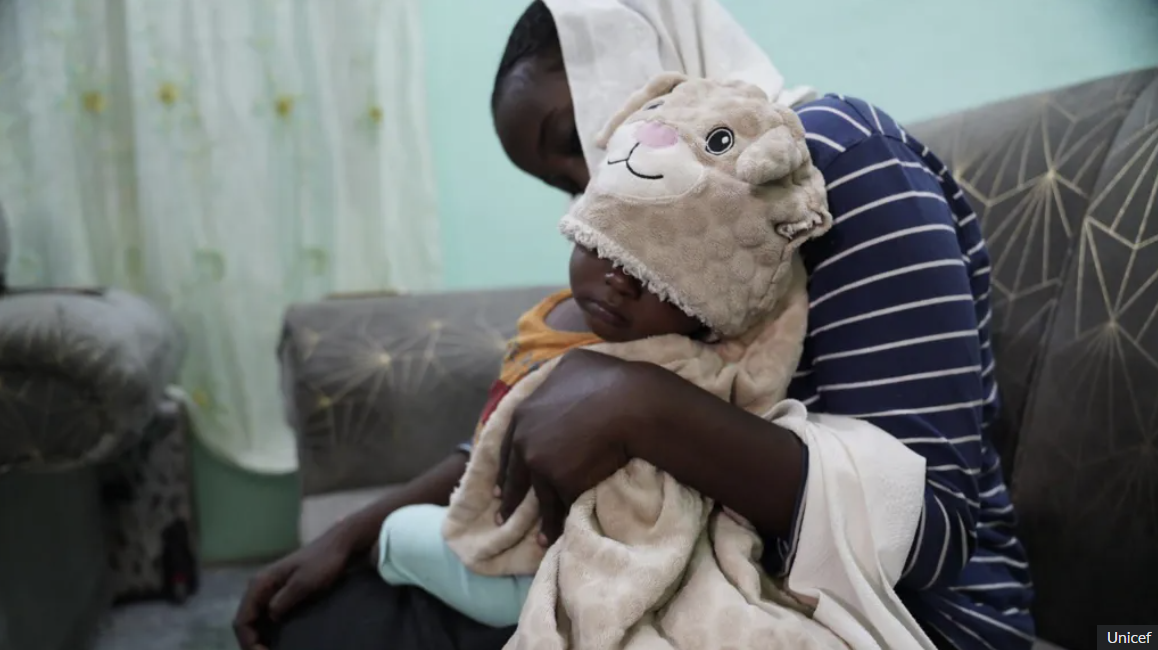
 AI-generated photo