I was born, raised, and remain grounded as a Seventh-day Adventist. For me and many fellow Christians, it is uplifting to see leaders of all levels embrace or follow in the footsteps of our saviour, Jesus Christ. Similarly, Muslims feel a sense of pride when leaders among them uphold the teachings of Prophet Muhammad. The same applies to Hindus and people of other faiths when they see their adherents holding positions of power and influence.
I’ll leave for another day the discussion of whether leaders who profess faith genuinely embody the teachings of their religions. However, it’s undeniable that many leaders claiming religious allegiance have, in the past, been accused of using faith as a political tool rather than as a guide for ethical leadership.
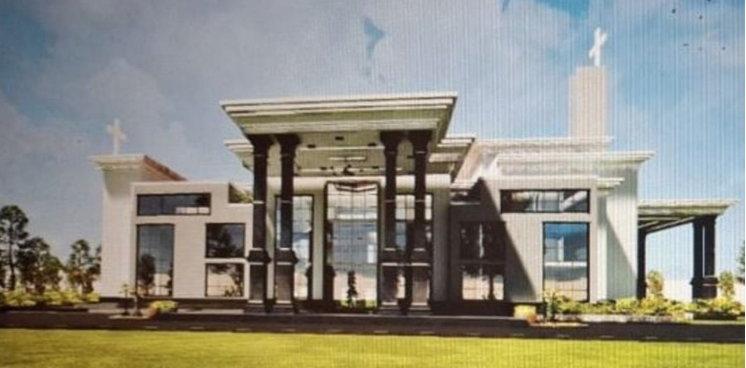
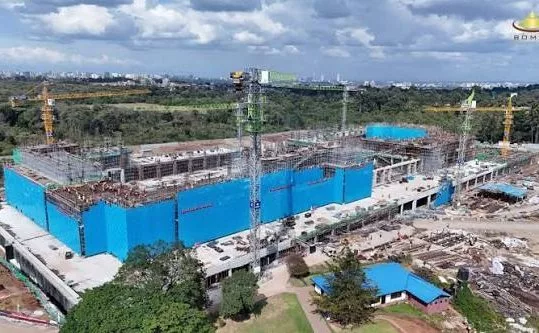
President William Ruto’s recent announcement that he is building a church on State House grounds and that he will personally finance it sparked immediate public debate. Critics argue that this move blurs the line between church and state. Instead of stepping back or reconsidering, the President doubled down, saying he has nothing to apologise for and intends to proceed regardless of opposition.
“I am not going to ask anyone for an apology for building a church. The devil might be angry and can do what he wants,” Ruto said.
For many Kenyans already frustrated by his administration’s perceived failure to address pressing national issues, this statement felt tone-deaf. It has been interpreted as a dismissal of public concerns about how state property should be used and who gets to decide.
More troubling to some is how this proposal sits within the constitutional framework. Kenya’s Constitution enshrines the principle of separation of church and state, while recognising the importance of religion in society. This balance allows faith-based organisations to contribute to national discourse without state interference, and vice versa.
By using public property for a religious structure, even if privately funded, some argue the President risks undermining this constitutional principle.
Why, then, is Ruto so confident in pursuing this project? Two reasons stand out, though history suggests both may be miscalculations.
First, Ruto’s political journey was closely tied to religious platforms. His outreach to Christian communities was strategic and effective, helping him secure the presidency.
Comparisons have been drawn between his use of religious networks and how former US President Donald Trump cultivated support among Evangelicals. While the contexts differ, both leaders successfully rallied faith-based constituencies to their cause.
Second, Ruto may believe that aligning himself visibly with religion will solidify his support base. But this assumption could be flawed. Some of the same church leaders who strongly endorsed his candidacy are now voicing disappointment. Building a mega-church on State House grounds may not reverse that sentiment. It might even deepen perceptions that religious symbolism is being used to mask political shortcomings.
It is also worth noting that those still cheering him on include a section of clergy seen as overly close to power, a relationship that has drawn public criticism in the past.
In a diverse country like Kenya, where faith communities coexist alongside secular institutions, the optics and implications of such a project matter deeply. Leaders should tread carefully to avoid alienating citizens who expect impartial stewardship of public office.
Abandoning this proposal would be the wiser course. It would affirm a commitment to constitutional principles and avoid setting a precedent where personal faith could be perceived as a guiding factor in state affairs.
President Ruto’s faith is his personal right. But exercising that faith must not blur the lines that safeguard Kenya’s democratic and secular framework. In leadership, perception often matters as much as intention. And here, the perception of overreach risks undermining both.