

According to a report highlighting the 2024/25 financial
year, the Commission also traced 27 assets valued at Sh22.9 billion, preserved
assets worth Sh2.685 billion, and filed 79 recovery suits targeting Sh4.8
billion in illicit acquisitions.
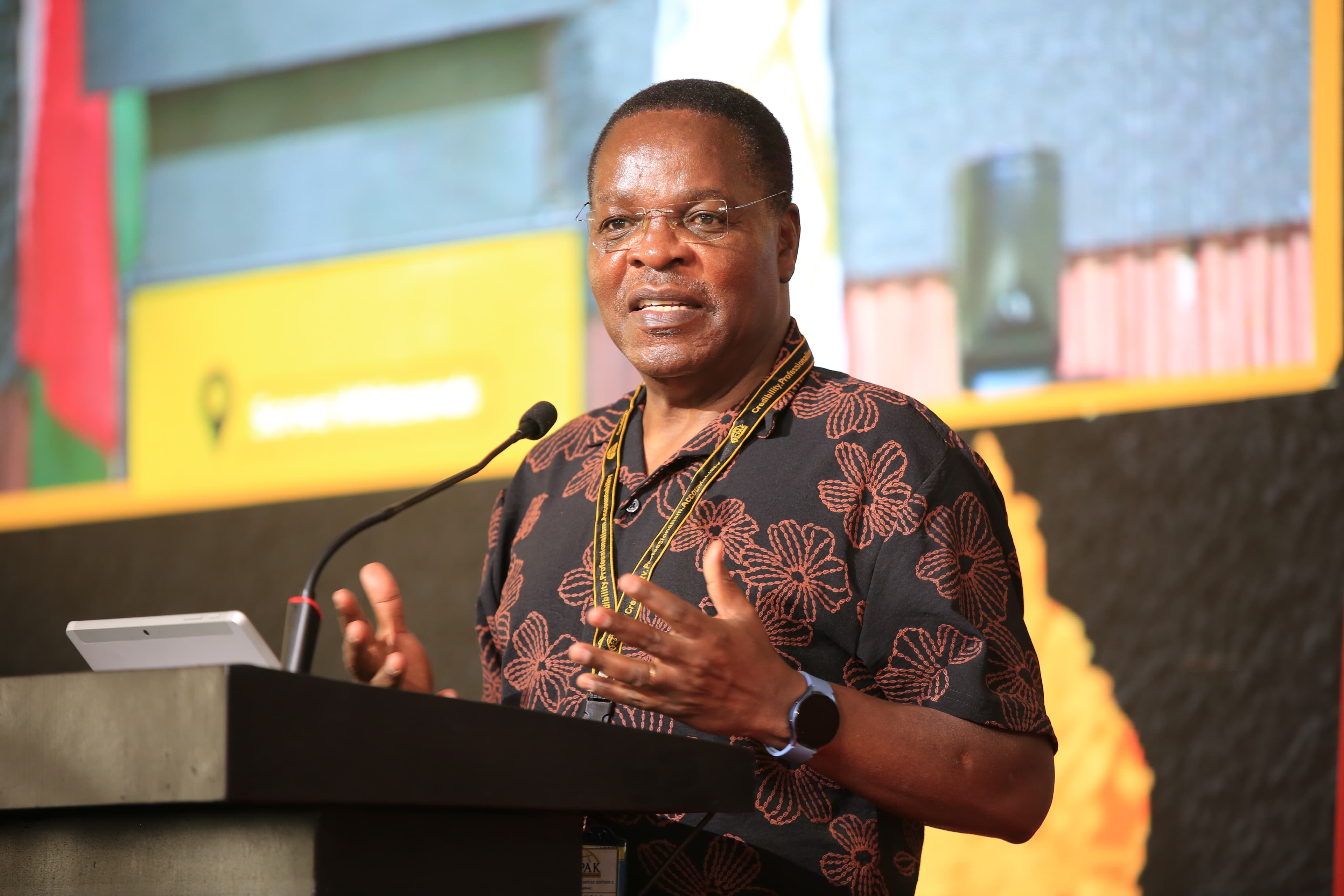
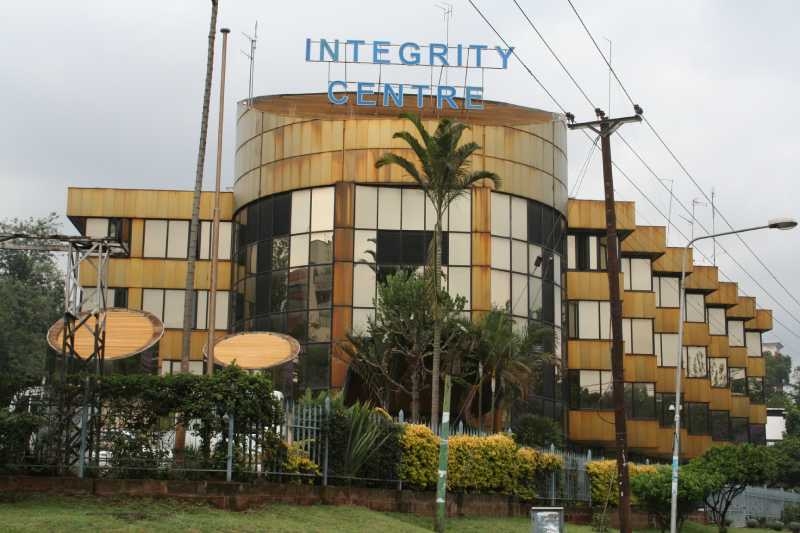
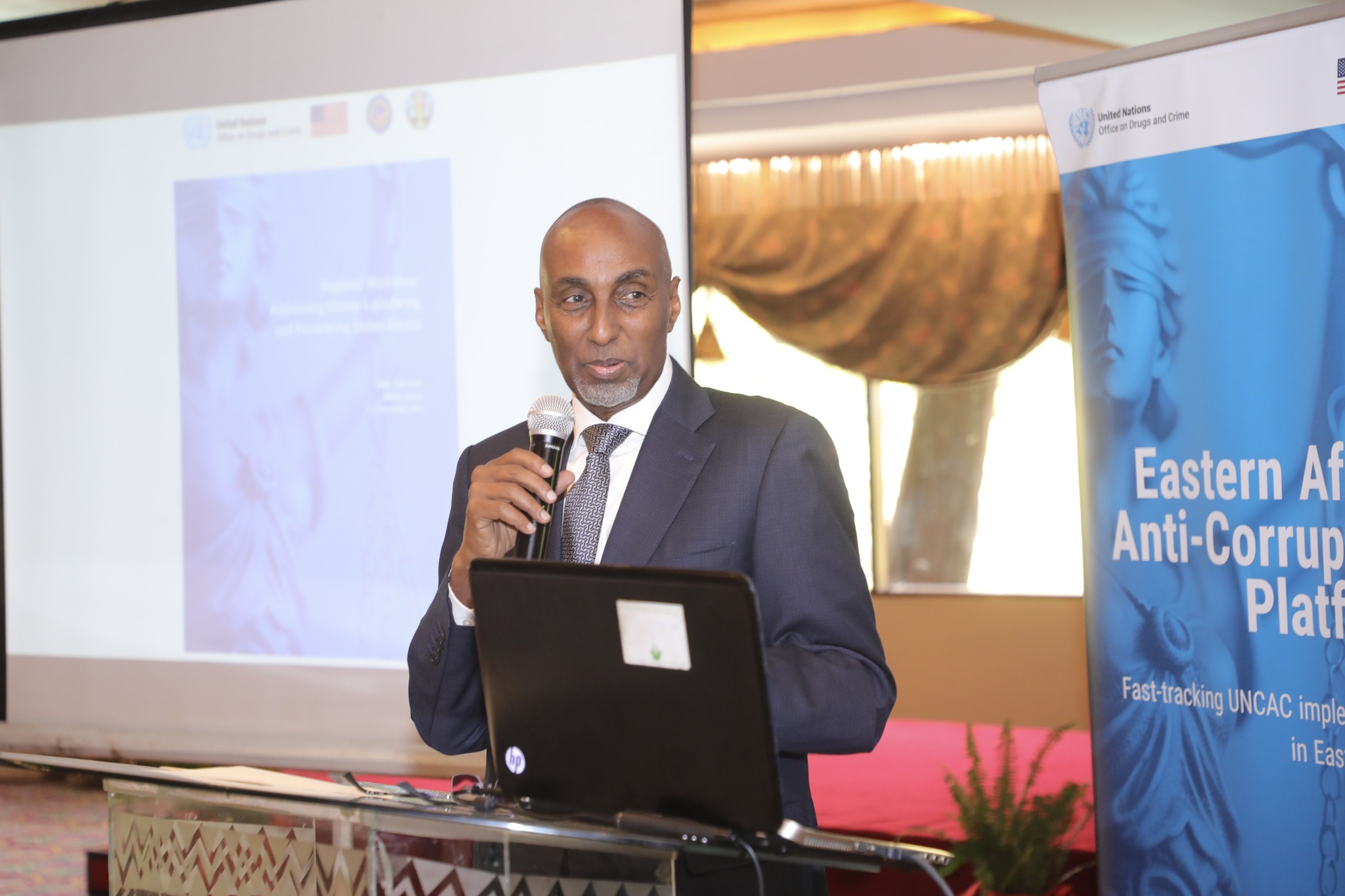
EACC Chief Executive Officer Abdi Mohamud said the year
under review reflected “resilience, strategic growth and focused execution,”
noting that the institution had achieved its highest number of recovery suits
in five years.
“If I had to summarize the last twelve months, it would be a
year characterized by both resilience, strategic growth and focused execution,”
Mohamud said during the launch of the Commission’s annual report on Monday.
“Looking back today, I am proud of the successes we have
realized. The past year has not only tested our resolve, but also proven our
impact.”
According to the Commission, the Sh3.4 billion recovered
represents an improvement from Sh2.9 billion the previous year, underscoring
heightened efficiency in asset tracing and enforcement.
Over the period, EACC instituted suits for preservation and
recovery of illegally acquired and unexplained assets. There were also
Petitions and Judicial Review applications filed against the Commission.
There were 102 Petitions, Judicial Review Applications and
Appeals filed against the Commission.
The Commission filed 20 applications and obtained order for
preservation of Sh785 million held in bank accounts and properties valued at Sh1.9
billion.
The Commission traced Sh22.9 billion in suspected illicit
assets and filed 79 new suits seeking their forfeiture, the highest in half a
decade.
Mohamud said enforcement efforts were also reflected in the
broader justice system, where 54 corruption-related cases were finalized in
court, up from 45 the previous year. Convictions saw a sharp rise from 12 to
33.
“These figures demonstrate a tangible increase in the
effectiveness of our asset recovery efforts,” he said.
“They send a very clear message: corruption does not pay and
public property will be reclaimed.”
Beyond enforcement, the Commission processed 33,973
self-declaration forms, conducted 166 integrity tests, issued 134 advisories,
four notices, 12 cautions to public entities and persons, and carried out 2,783
integrity verifications.
Additionally, EACC received and processed 2,783 integrity
verification requests from different institutions for appointment to various
offices over the reporting period.
“Out of the 2,783 individuals, the Commission provided
information on 50 individuals who had violated ethical requirements. In
addition, the Commission received and processed 33,973 self-declaration forms
in line with Section 12A of LIA, CAP 185C,” the report stated.
In addition, 60 State Officers signed and committed to the
Leadership and Integrity Codes in compliance with Section 40(1) of LIA, CAP
185C.
These included officers drawn from the three arms of
government including the presidency, Judicial Service Commission, Public Service
Commission, NGEC, Commission on Administrative Justice, County Governments of Meru,
Uasin Gishu and Kisii, and the Ministry of Foreign and Diaspora Affairs.
During the reporting period, the Commission supported five
public entities to review their codes of conduct and ethics to align with Part
II of LIA, CAP 185C.
These were: State Department of Devolution, Institute of
Human Resource Management Professionals, National Cereals and Produce Board,
National Transport Safety Authority and Tana River County Assembly.
Through the National Integrity Academy (NIACa), the EACC
trained officers from Kenya and neighbouring countries, including Members of
Parliament, intelligence officers and infrastructure managers, in ethics,
leadership and governance.
The Academy trained 16 Uganda Members of Parliament; 20
KeNHA officials and 30 EACC executives on leadership, governance, ethics and
integrity; and 203 Integrity Assurance Officers (IAOs).
Further, the Academy trained officers of the National Intelligence
Service and the National Defence College-Kenya on ethical and integrity considerations
in leadership.
The Academy conducted pilot sessions on six Law Enforcement
courses with 82 participants drawn from Commission staff members.
The report stated that in order to strengthen its training
programmes, the Academy reviewed curricula and developed new training manuals
for six Ethics and Integrity courses.
The courses included enhancing Ethics in Public Procurement;
Enhancing Ethics in Public Procurement Oversight, Leadership and Integrity
Course for Executives; Integrity Assurance Officers Course; Ethics in Revenue
Management; and Ethics in Human Resource Management.
The Commission also strengthened strategic partnerships at
national, regional and international levels to deepen cooperation in the
anti-corruption agenda.
Mohamud acknowledged that the year had not been without
challenges but said the Commission remained steadfast in its mandate.
“We have navigated various challenges by staying true to our
vision of promoting integrity and combating corruption through law enforcement,
prevention and education,” he said.
He noted that Kenya’s current implementation cycle comes at
a critical time, with the country under pressure to strengthen its anti–money
laundering and counter-terrorism financing systems to support efforts to exit
the FATF Grey List.
“This places an enormous responsibility on the Commission, especially
on matters money-laundering,” he said, urging relevant directorates to
fast-track investigations on all intelligence reports related to illicit
financial flows.
Looking forward, the EACC will prioritise monitoring
capital-intensive projects, tackling bribery at service points, asset recovery,
multi-agency collaboration and public awareness programmes, particularly
targeting youth and the media.
These interventions form part of the Commission’s Strategic
Plan for 2023 to 2028.
Mohamud credited the government and anti-corruption partners
for continued support.
“The successful implementation of our strategies has only
been possible through strong cooperation, collaboration and coordination among
all stakeholders,” he said.
He called on the media, civil society and justice actors to
maintain vigilance and hold public institutions accountable.
“With renewed commitment and shared purpose,” Mohamud said,
“we can confront these obstacles and advance the integrity agenda for the
benefit of our country.”