

Busia Senator Okiya Omtatah has intensified his criticism of the Sh208 billion Kenya–US health cooperation framework, insisting that the government cannot lawfully commit Kenyans’ medical information to any foreign entity without their personal consent.
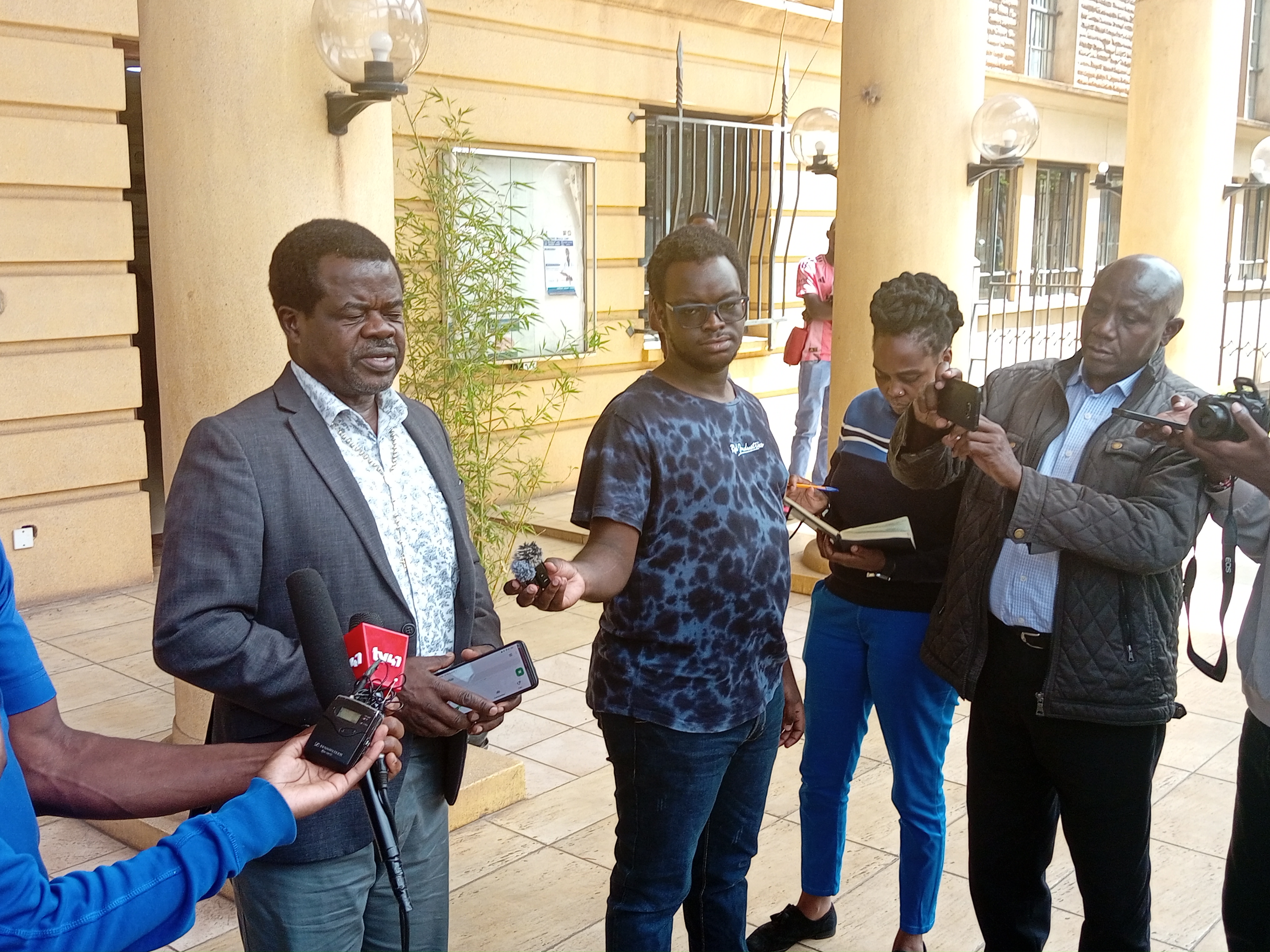
Speaking outside the Milimani Law Courts on Thursday, the Senator said the agreement raises important questions about privacy, sovereignty and constitutional procedure — issues he argues must be addressed before any deal can take effect.
Omtatah, who obtained interim conservatory orders temporarily halting implementation of the agreement, said the Constitution is clear on the ownership of health data.
“Health data belongs to every individual,” he said.
“If any sharing must happen, there must be a mechanism where every citizen gives their consent.”
He further cautioned that without adequate safeguards, Kenya could expose its population to potential misuse of medical information.
The senator welcomed the court’s decision to suspend the agreement pending a full hearing, raising concerns about the safeguards in place to prevent exploitation and unethical practices.
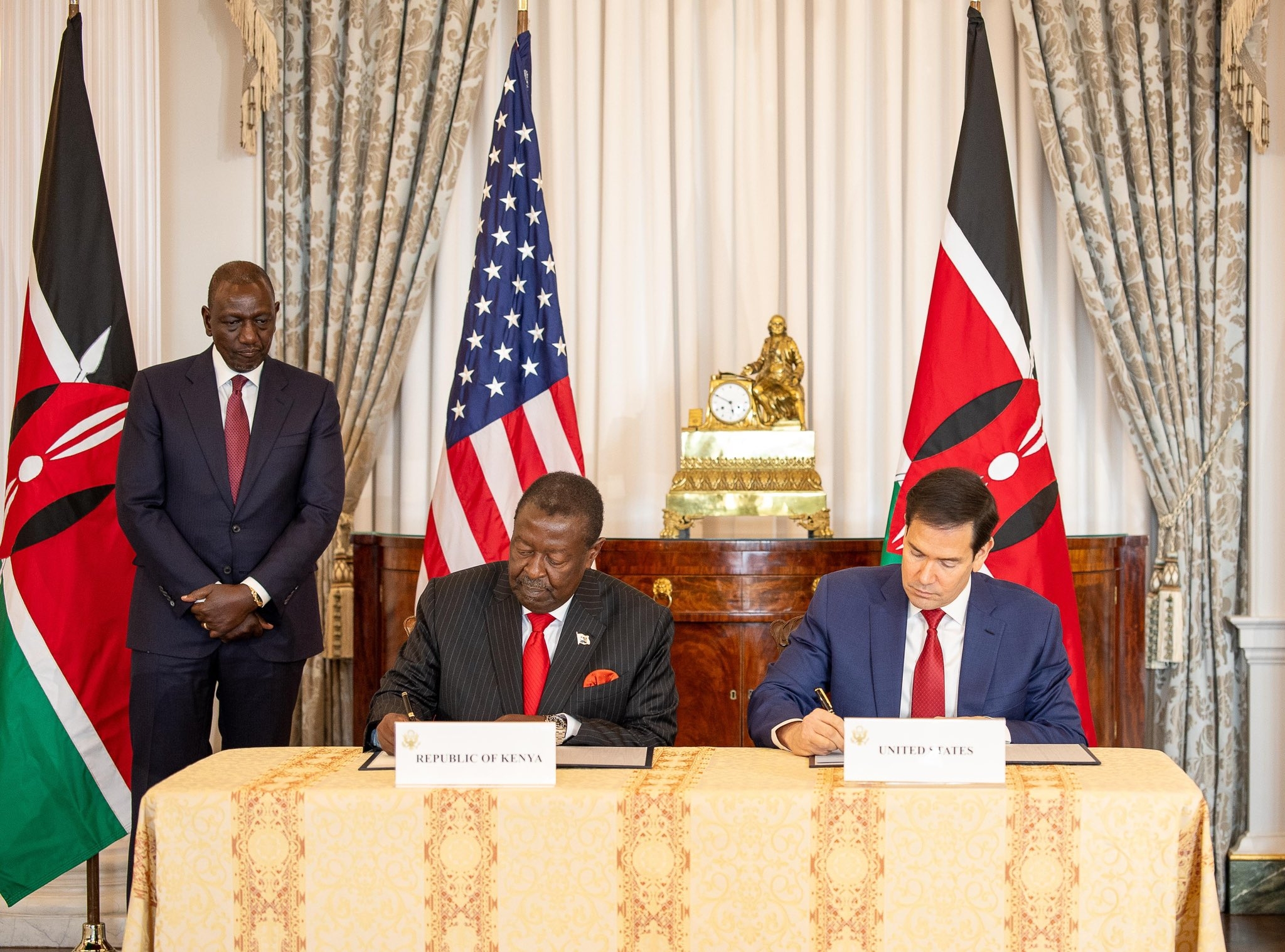
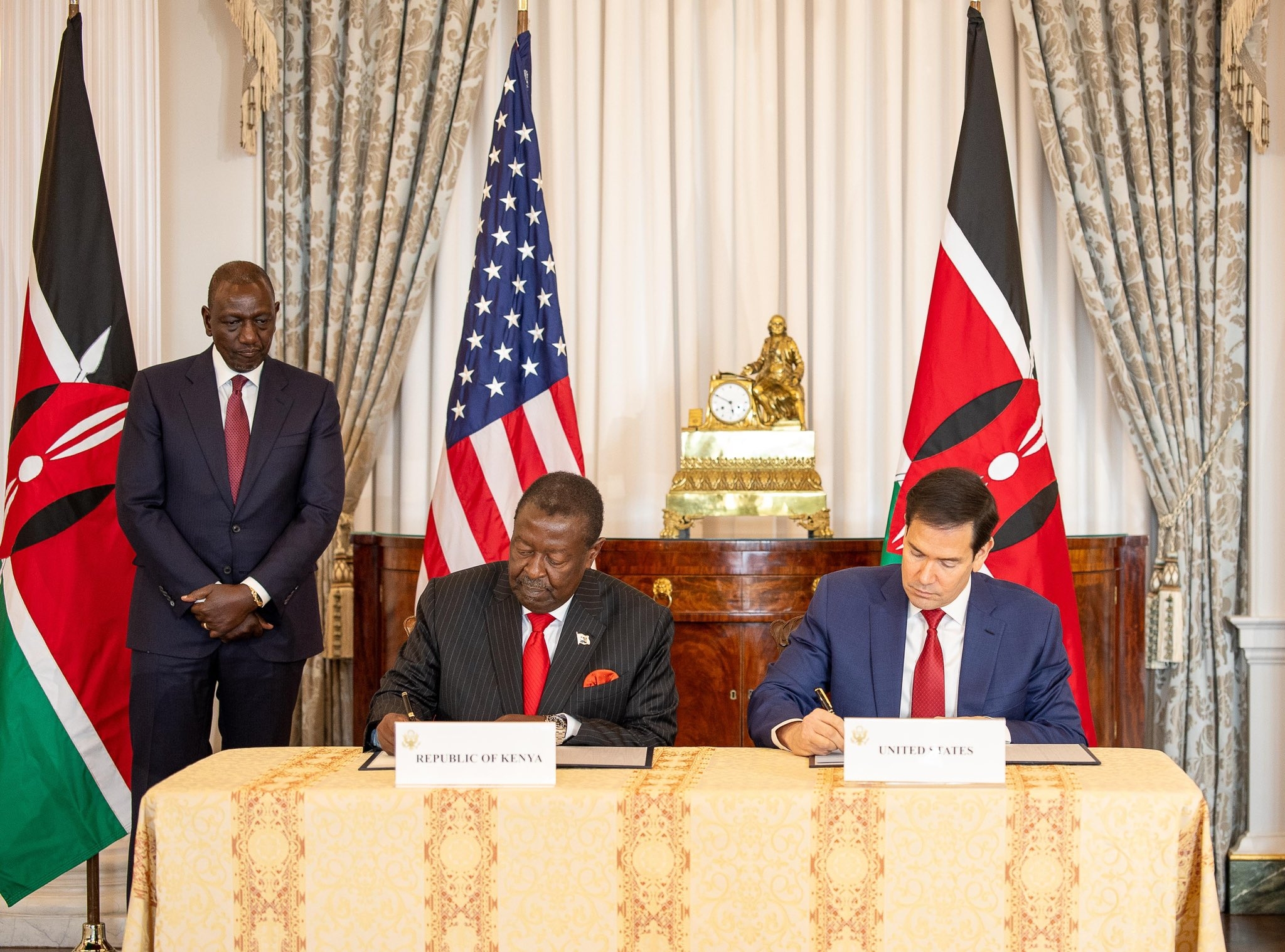
Omtatah further argues that the framework signed in Washington, D.C., was concluded without public participation, parliamentary approval or county involvement, despite dealing with matters in a devolved sector.
He cited provisions in the document that describe the arrangement as non-binding, yet, in his view, contain obligations that appear enforceable.
“When you look at it carefully, it is binding. The agreement has been put outside the framework of the law,” he said.
He further contended that the deal creates financial and operational commitments stretching to 2028 — including the recruitment of thousands of personnel — without the input of the institutions constitutionally mandated to oversee public finance, legislation and devolution.
On sovereignty, Omtatah said some clauses, in his view, raise questions about whether the agreement could place Kenya at a disadvantage in its dealings with the United States, an issue he believes requires careful examination.
He maintained that domestic law and constitutional procedures must apply to any international agreement.
“Domestic law should be applicable to any contract, and any treaty or agreement signed by the government must be subjected to parliamentary scrutiny and judicial oversight,” he said.
The senator urged Kenyans to remain alert to the implications of the deal.
“We cannot sell our birthright for a bowl of soup. This is a fundamental right that must be respected,” he said.
President William Ruto has previously dismissed concerns that the deal compromises Kenya’s sovereignty or the security of health data.
Earlier on Wednesday, December 10, he said the arrangement had been thoroughly reviewed by the Office of the Attorney-General to ensure it complies with Kenyan law.
“Nobody and no government will take advantage of the people of Kenya as long as I am President,” he said.
“There is no way the agreement we signed can undermine the interests of the people of Kenya, including matters related to our health data.”