Laikipia Governor Joshua Irungu has come under sharp criticism over the county’s failure to clear long-standing
pending bills owed to contractors and suppliers.
The development came even as the lawmakers accused his
administration of flouting the law and selectively paying debts accumulated
under his tenure.
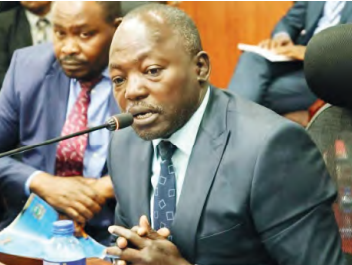
Appearing before the Senate County Public Accounts Committee
(CPAC) on Wednesday, Irungu was put on the spot over pending bills amounting to
Sh1.64 billion, including Sh1.15 billion recorded without supporting
documentation.
According to an audit report by Auditor General Nancy
Gathungu for the financial year ended June 30, 2025, more than Sh1.3 billion of
the pending bills had been outstanding for over three years, with no
explanation provided for their non-payment.
This situation, the report notes, places the county
government in breach of Regulation 41(2) of the Public Finance Management Act,
2015, which requires pending bills to be settled as a first charge.
Audit records show the county paid pending bills worth Sh564
million during the period under review and an additional Sh251.5 million in the
current financial year.
In the financial year ended June 2024, Sh456.2 million was
paid, while Sh576.2 million was settled in the preceding year.
However, only Sh96.3 million of the old pending bills had
been cleared by the current administration as at December 31 last year.
Senators questioned why the county appeared to prioritise
newer pending bills while older debts remained unpaid.
“The trend we are seeing here is that the governor seems
able to choose who to pay, while those not loyal to him end up being
sidelined,” Laikipia Senator John Kinyua said.
Tharaka Nithi Senator Mwenda Gataya faulted the county for
failing to give a clear justification.
“We have been treated to a lot of literature, but there is
no explanation as to why the county government cannot pay the old pending bills
first,” he said.
In response, Governor Irungu admitted the anomaly and
pledged to align his administration with the law by prioritising older debts.
He told the committee the county would develop an
ageing analysis policy to guide the settlement of pending bills.
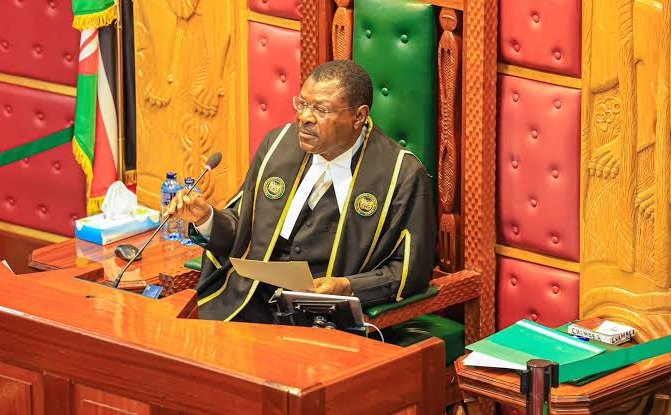
However, CPAC vice chairperson and Taita Taveta Senator
Johnes Mwaruma pressed the governor to provide timelines.
“Have you budgeted for the old pending bills, or when
exactly do you plan to pay them? Some of the explanations you are giving us may
just be stories,” Mwaruma said.
The governor assured senators the county would
incorporate the old pending bills into its payment plans starting this
financial year.
The committee also scrutinised Sh1.15 billion in pending
bills recorded in the county’s register without essential supporting documents
such as contract agreements, requisitions, delivery notes and local purchase
or service orders.
“This is a complex issue. You may find that some people
supplied ‘air’ and are now pushing to be paid,” Nyamira Senator Okong’o
Omogeni said.
Governor Irungu said the county was undertaking a validation
exercise and that unsupported claims would be derecognised.
“We included the pending bills to have visibility of all
trade payable claims. So far, Sh674.7 million has been supported with
documents, while claims worth Sh967 million remain unsupported,” he said.
But Mwaruma warned against abuse of the process.
“Will this exercise give you time to manufacture documents?
If a service was offered, the documents must be there,” he said.
The county government was further faulted for a ballooning
wage bill, having spent Sh3.28 billion—about 55 per cent of its total revenue
of Sh5.97 billion—on compensation of employees, well above the legally
prescribed ceiling of 35 per cent.
County officials defended the expenditure, arguing that
Laikipia inherited an inflated wage bill from former local authorities and
national government functions devolved to the county, including trade,
infrastructure, agriculture and health.
Additionally, auditors flagged the payment of Sh24.9 million
to eight private law firms for legal services that were directly procured
without written approval from the accounting officer or documented proof of
urgency, contrary to the Public Procurement and Asset Disposal Act, 2015.
This was despite the county having a legal officer and
a legal adviser.
The county defended the procurement, saying the law allows
for such engagements under specific circumstances.