

The global watchdog in its latest review confirmed that Kenya is still among jurisdictions subject to enhanced scrutiny, commonly referred to as the “grey list”.
This is the status applied to countries that
have committed to addressing strategic deficiencies in their financial systems
within agreed timelines while being closely monitored.
Kenya was placed on the list in February 2024 after FATF found gaps in the country’s anti-money laundering strategies.
Since then, the government says it has taken steps to
improve oversight and enforcement, including strengthening the capacity of
supervisors and adopting a legal framework to regulate virtual asset service
providers.
According to FATF, Kenya has also demonstrated an increase
in investigations and prosecutions related to terrorism financing in line with
its risk profile.
However, the organisation said the country still needs to
complete several reforms under its action plan before it can exit the grey
list.
Among the areas that require further work are improving
risk-based supervision of financial institutions and designated non-financial
businesses and professions.
Kenya is also required to enhance the understanding of
preventive measures such as suspicious transaction reporting, and ensuring
targeted financial sanctions are implemented without delay.
FATF also called for Kenya to designate an authority to
regulate trusts and collect accurate beneficial ownership information to improve
the quality and use of financial intelligence, increase money laundering
investigations and prosecutions.
The government is also required to revise the
regulatory framework for non-profit organisations to ensure it is risk-based
without discouraging legitimate activities.
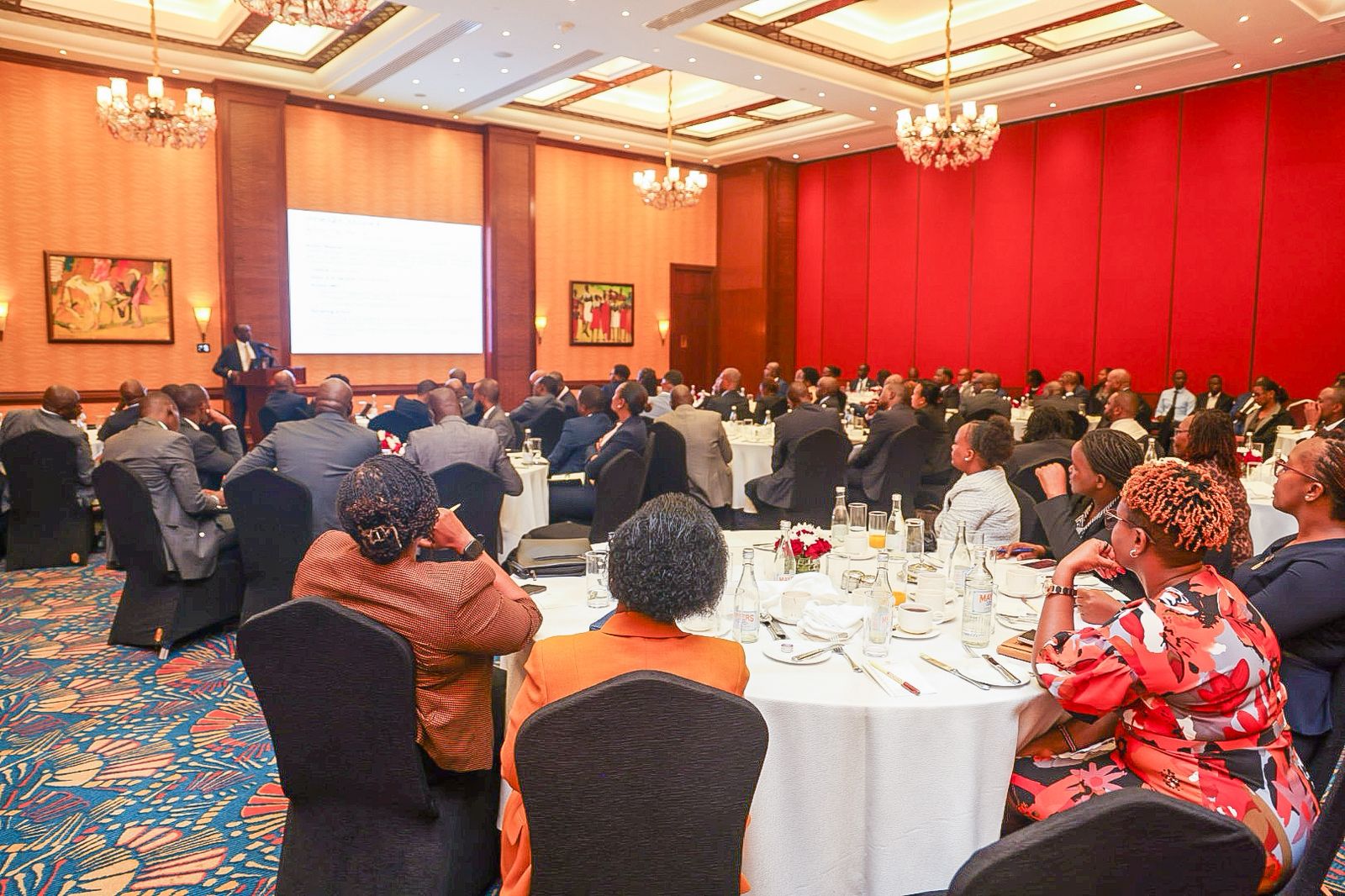
The latest update came as the National Treasury convened a
high-level meeting in Nairobi on Monday last week to accelerate the implementation of
reforms aimed at securing Kenya’s removal from the grey list.
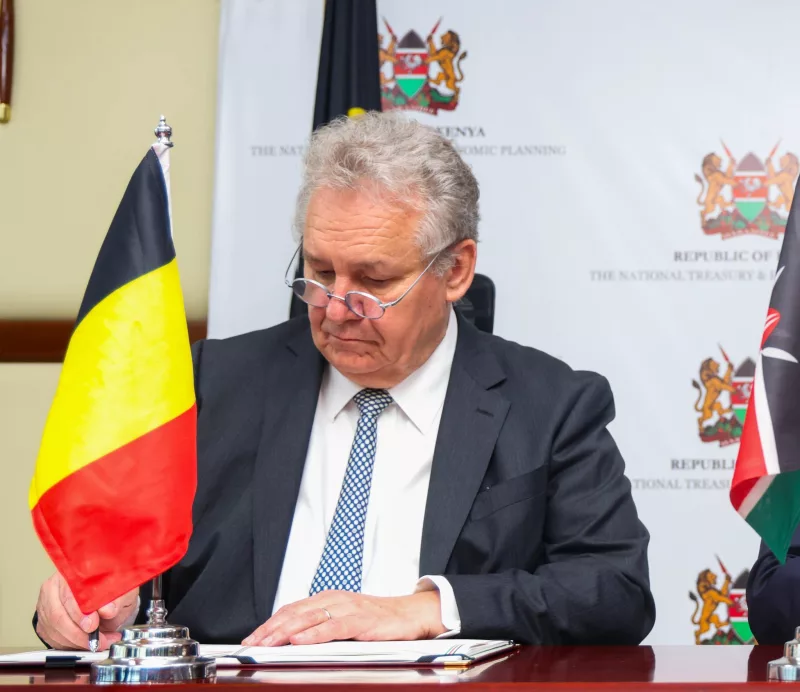
Treasury PS Chris Kiptoo met with heads of agencies
responsible for implementing AML/CFT measures to review progress made so far
and outline the next steps under the International Cooperation Review Group
action plan.
In a statement, the National Treasury said the
government is implementing time-bound measures to address the identified gaps
and restore confidence in the country’s financial system.
The ministry cited the enactment of the Anti-Money
Laundering and Combating of Terrorism Financing Laws (Amendment) Act, 2025, and
the Virtual Asset Service Providers Act, 2025, as key milestones in the reform
process.
It also pointed to strengthened institutional coordination,
enhanced customer due diligence requirements, improved suspicious transaction
reporting and increased inter-agency collaboration.
“The government remains firmly committed to completing the
remaining reforms with urgency and precision to safeguard financial stability,
reinforce investor confidence, and restore Kenya’s standing within the global
financial system.”
Kenya’s continued presence on the FATF grey list comes amid
broader international scrutiny of its financial regulatory systems.
In June last year, the European Commission added Kenya to
the EU list of high-risk third world countries with strategic deficiencies in
anti-money laundering and counter-terrorism financing regimes.
The EU listed Kenya alongside Algeria, Angola, Côte d’Ivoire, Namibia, Laos, Lebanon, Monaco, Nepal
and Venezuela.
According to the commission, the jurisdictions were
identified as posing significant risks to the EU’s financial system due to gaps
in their AML/CFT frameworks.
In its explanatory memorandum, the European Commission noted
that the evolving nature of money laundering and terrorist financing threats
requires countries to continuously adapt their legal and regulatory frameworks
to address emerging risks.
However, the EU also acknowledged that Kenya had made
high-level political commitments to address the identified deficiencies and had
developed action plans with FATF to implement the necessary reforms.
Despite these efforts, various reports have placed Kenya as
the money laundering hub for cash from various sources such as Juba, human trafficking
and gold and other natural resources smuggling.
Recent reports and investigations have also linked Nairobi's
real estate sector, particularly high-rise developments, as a major conduit for
money laundering, with some projects linked to international fraud schemes.