Mounting debt crisis as pending bills at counties now climb to Sh10 billion
Nairobi, Kiambu lead pending bills clearance race as Kilifi, Kisumu accumulate more.
by JULIUS OTIENO
Audio By Vocalize
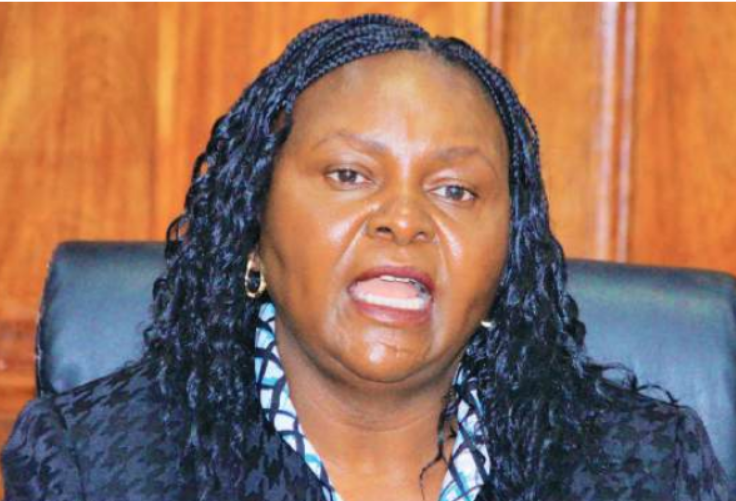
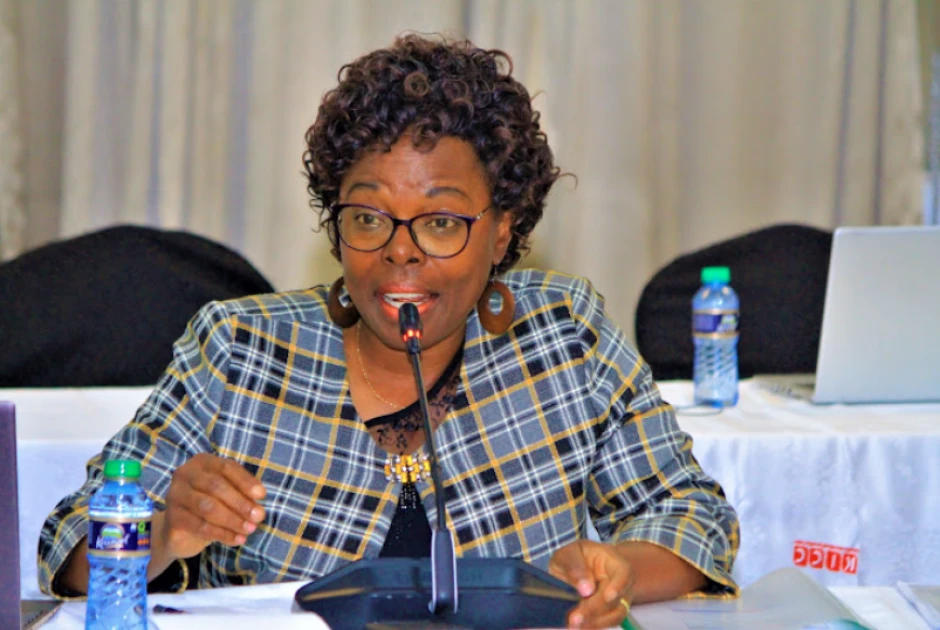
Controller of Budget Margaret Nyakang'o /FILE
Details have emerged of 10 countiesthat continue to accumulate
pending bills, piling pressure on contractors and suppliers and exposing deep
cracks in fiscal discipline.
Latest
findings from budget implementation review reports show that the affected
counties collectively added close to Sh10 billion in new debt within just six
months.
This
is despite clear legal requirements and parliamentary resolutions to prioritise
settlement of outstanding obligations.
The
reports by Controller of Budget Margaret Nyakang’o flagged Kilifi, Kisumu,
Turkana, Uasin Gishu, Vihiga, Trans Nzoia, Tana River, Samburu, Nyamira and
Migori.
The
trend stands in sharp contrast to a section of counties that are aggressively
clearing inherited debts, highlighting widening disparities in financial
management more than a decade after the advent of devolution.
The
analysis, covering the period between June 30, 2025 and December 31, 2025,
reveals a mixed performance across the 47 counties.
, raising concerns about sustainability,
accountability and service delivery.
Kilifi
county, led by Governor Gideon
Mung’aro, recorded the highest increase in pending bills during the period
under review.
The
county’s debt surged by Sh4.88 billion, rising from Sh9.26 billion in June to
Sh14.14 billion by December, making it the worst performer in terms of new debt
accumulation.
Kisumu
county under Governor Anyang’
Nyong’o also registered a sharp rise in pending bills, which grew by Sh1.75
billion to stand at Sh3.1 billion by the end of the period.
Turkana’s
pending bills increased by Sh982 million, while Uasin Gishu recorded a rise of
Sh558 million.
Trans
Nzoia’s debt also ballooned by Sh457 million, adding to concerns over the
county’s fiscal position.
Elsewhere,
Migori county’s pending bills rose by Sh207
million, Nyamira recorded an increase of Sh400.65 million, while Samburu’s debt
grew by Sh84.98 million.
Tana
River posted a relatively smaller increase of Sh16 million, but still remained
among counties struggling to contain rising obligations.
Nyakang’o
attributed the surge in pending bills partly to the failure by some county
governments to adhere to agreed payment plans.
“Several
county governments did not follow their scheduled payment plans for outstanding
trade payables,” she said in her
report for the period ending December 31, 2025.
The
failure to honour payment obligations has had far-reaching consequences for
suppliers and contractors, many of whom rely on timely payments to sustain
operations.
Delays
have triggered cash flow constraints, stalled projects and, in some instances,
forced businesses to shut down.
Under
Regulation 55(2)(b) of the Public Finance Management (County Governments)
Regulations, 2015, counties are
required to prioritise the settlement of eligible pending bills as a first
charge in their budgets.
The
law further stipulates that debt servicing must take precedence to prevent
counties from defaulting on their financial obligations.
“Debt
service payments shall be a first charge on the County Revenue Fund, and the accounting officer shall ensure this is done to the extent possible so that
the county government does not default
on debt obligations,” the regulations state.
Despite
this clear legal framework, the continued accumulation of pending bills points
to systemic challenges in financial planning, expenditure control and
accountability within some county administrations.
Governors
have often blamed delays in exchequer disbursements from the national
government, as well as underperformance in local revenue collection, for the
rising stock of pending bills.
However,
critics argue that deeper structural issues are at play, including unrealistic
revenue projections, weak fiscal discipline, corruption and the alleged
introduction of fictitious claims designed to siphon public funds.
In
contrast, a number of counties have demonstrated strong fiscal discipline by
significantly reducing their pending bills, offering relief to contractors and
restoring confidence among suppliers.
At
the forefront is Nairobi county under
Governor Johnson Sakaja, which posted the most impressive performance among the
47 counties.
The
county reduced its pending bills by Sh6.72 billion within six months,
translating to an average monthly payment of Sh1.12 billion.
Nairobi’s
total debt dropped from Sh86.77 billion in June to Sh80.04 billion in December,
marking a major step toward easing the burden on contractors who have long
decried delayed payments.
Kiambu
county, led by Governor Kimani
Wamatangi, also recorded notable progress, cutting its pending bills by Sh2.63
billion to Sh5.26 billion.
Similarly,
Nakuru county under Governor Susan Kihika
reduced its debt by Sh1.52 billion to stand at Sh2.16 billion as of December
31, 2025.
Murang’a
county also posted strong gains,
reducing its pending bills by Sh1.04 billion to Sh951.76 million, while
Machakos trimmed its debt from Sh6.73 billion to Sh5.70 billion over the same
period.
Kwale
and Marsabit counties also made significant strides, reducing their pending
bills by Sh1.20 billion and Sh1.03 billion, respectively, bringing their
outstanding obligations down to Sh697.05 million and Sh408.28 million.
Beyond
the top performers, several other counties registered commendable improvements.
Bomet reduced its pending bills by Sh909.37 million, Narok by Sh945 million and
Meru by Sh972 million.
Nyandarua
cut its obligations by Sh496 million, Mandera by Sh730 million and Makueni by
Sh442.39 million.
Mombasa
reduced its pending bills by Sh764 million, Garissa by Sh955 million and
Bungoma by Sh764 million.
Kericho,
Embu and Nandi also recorded modest reductions of Sh426 million, Sh434 million
and Sh423.29 million, respectively.
The
trend of reducing pending bills has come as a relief to contractors, many of
whom have struggled with delayed payments that have disrupted business
operations and eroded profitability.
The
mixed performance across counties underscores uneven implementation of public
finance management practices, raising questions about the effectiveness of
oversight mechanisms at the devolved level.
According
to the Controller of Budget’s report, county governments collectively owed
Sh163.74 billion in pending bills as of December 31, 2025.
This
marked a slight improvement from Sh183.03 billion recorded in June and Sh177.47
billion in September.
While
the overall reduction suggests progress at the national level, the continued
accumulation of new debts in some counties poses a significant risk to service
delivery and economic stability.
“The
high level of trade payables poses challenges to service delivery and disrupts
business operations,” Nyakang’o said.
She
has now urged county governments to strictly adhere to legal provisions and
prioritise the settlement of pending bills in their budgets.
“County
governments should prioritise
settling eligible trade payables in their budgets, in accordance with legal
regulations.”
“Furthermore,
they should adhere to the trade payables action plan established for the
financial year 2025-2026,” she said.
INSTANT
ANALYSIS
For
contractors and suppliers, the stakes remain high. Delayed payments not only
stall projects but also threaten livelihoods, making the clearance of pending
bills a critical issue in ensuring the success of devolution and the stability
of local economies. With the 2025-26 financial year underway, all eyes will be
on county governments to see whether they can sustain debt reduction efforts or
whether the cycle of accumulation will persist, prolonging the suffering of
businesses that depend on timely payments.
This is premium content
Subscribe to Continue Reading
Help us continue bringing you unbiased news, in-depth investigations, and diverse perspectives. Your subscription keeps our mission alive and empowers us to provide high-quality, trustworthy journalism. Join us today to make a difference!

 Controller of Budget Margaret Nyakang'o /FILE