

Interior Cabinet Secretary Kipchumba Murkomen has warned that growing insecurity along major global shipping routes poses a significant threat to Kenya's economy, calling for stronger international cooperation to safeguard maritime trade and freedom of navigation.
Murkomen said recent disruptions in maritime transport corridors, particularly arising from the ongoing Middle East crisis, had demonstrated how vulnerable global economies remain to instability at sea.
"The ongoing Middle East crisis is a clear manifestation of how we all suffer when our sea lanes of maritime transport are disrupted," Murkomen said.
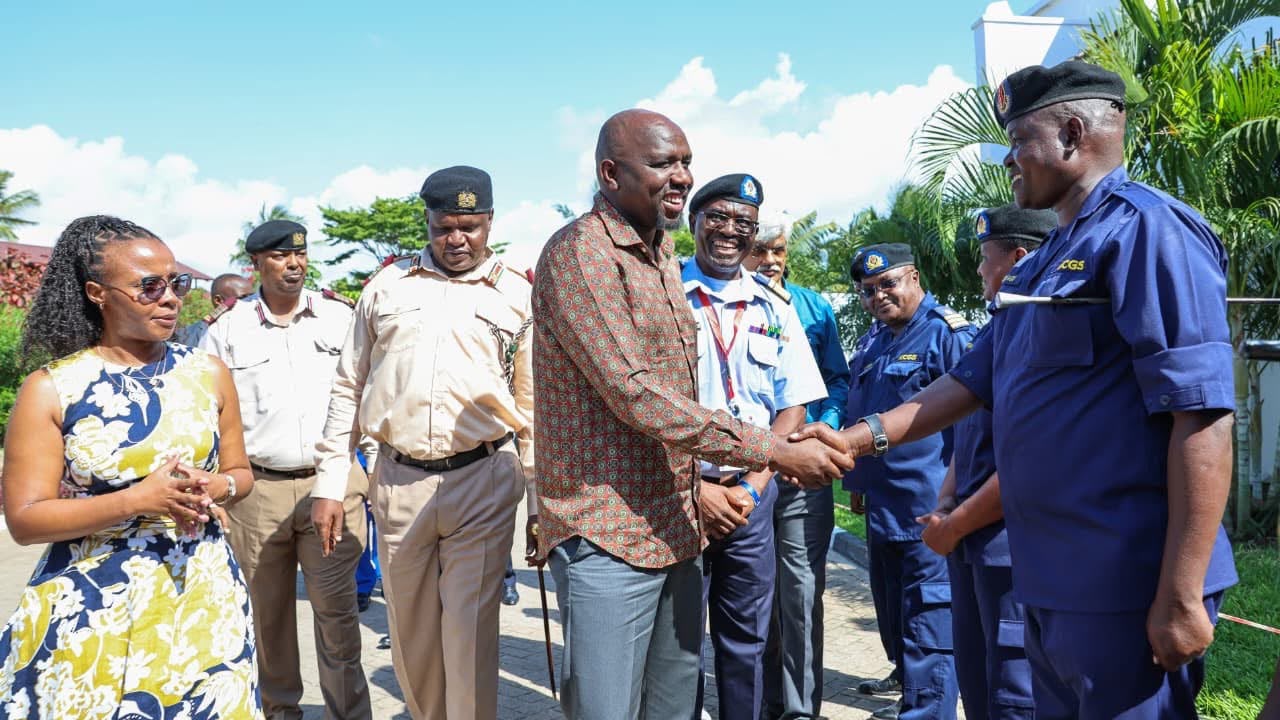
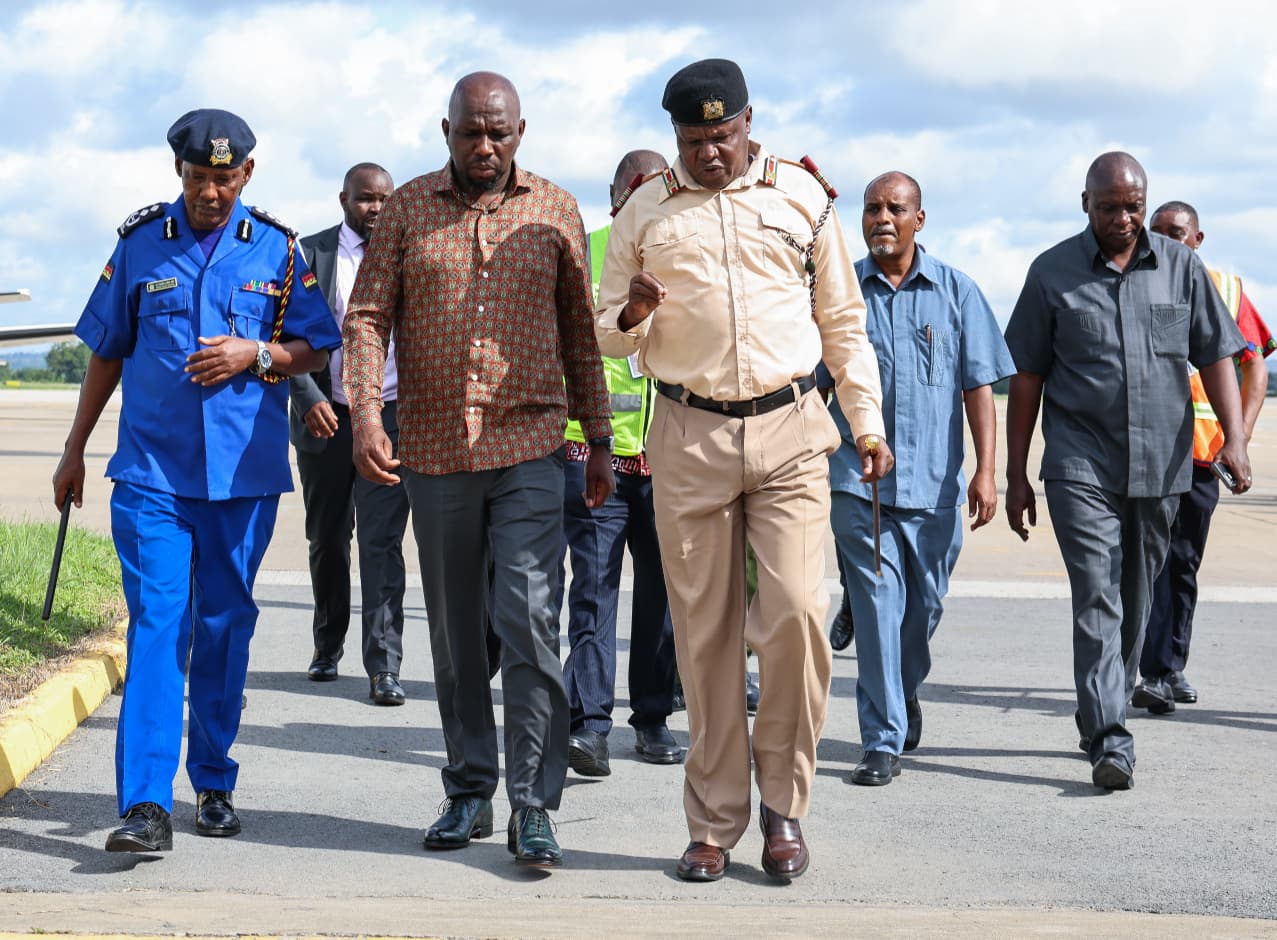
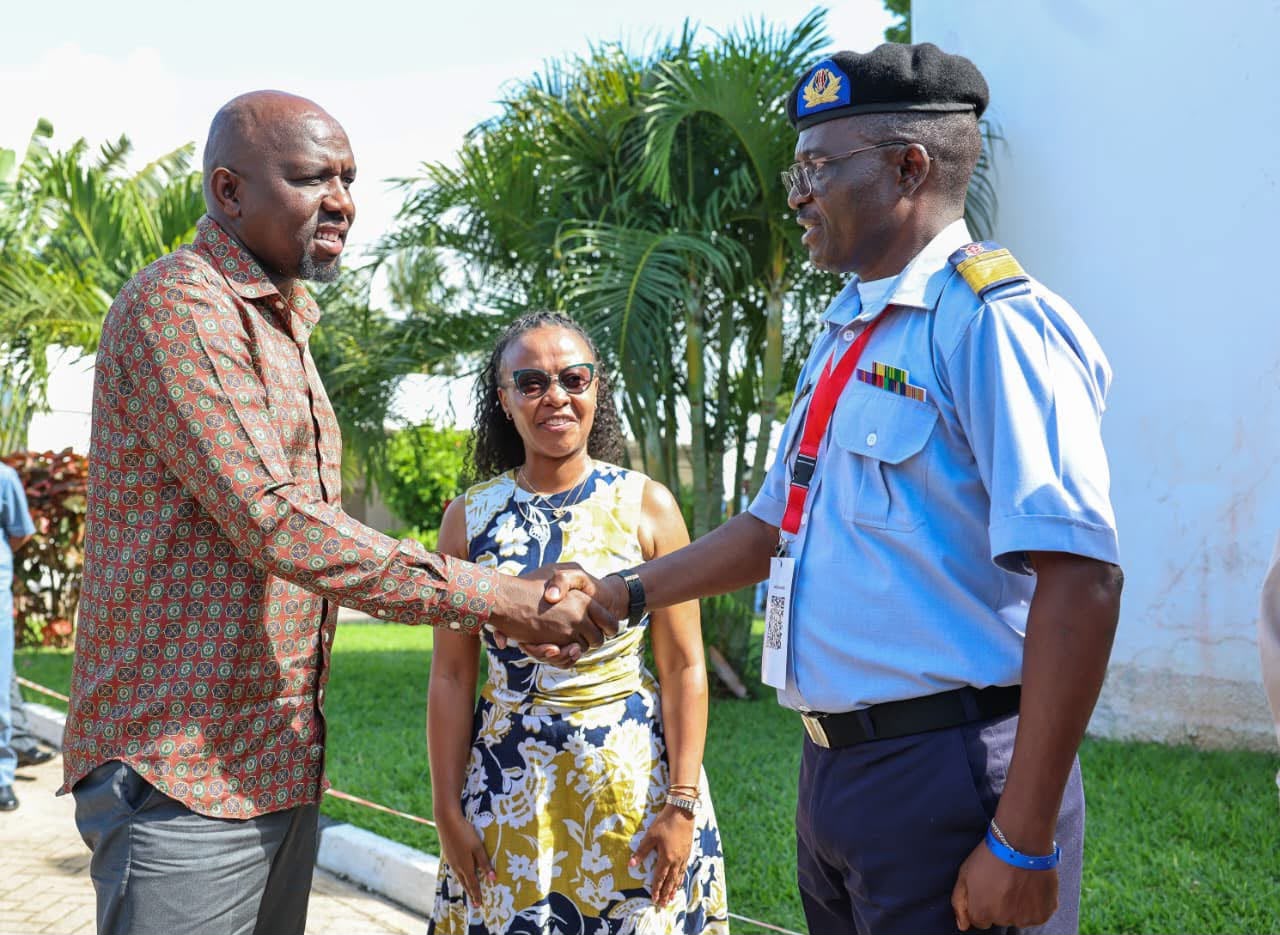
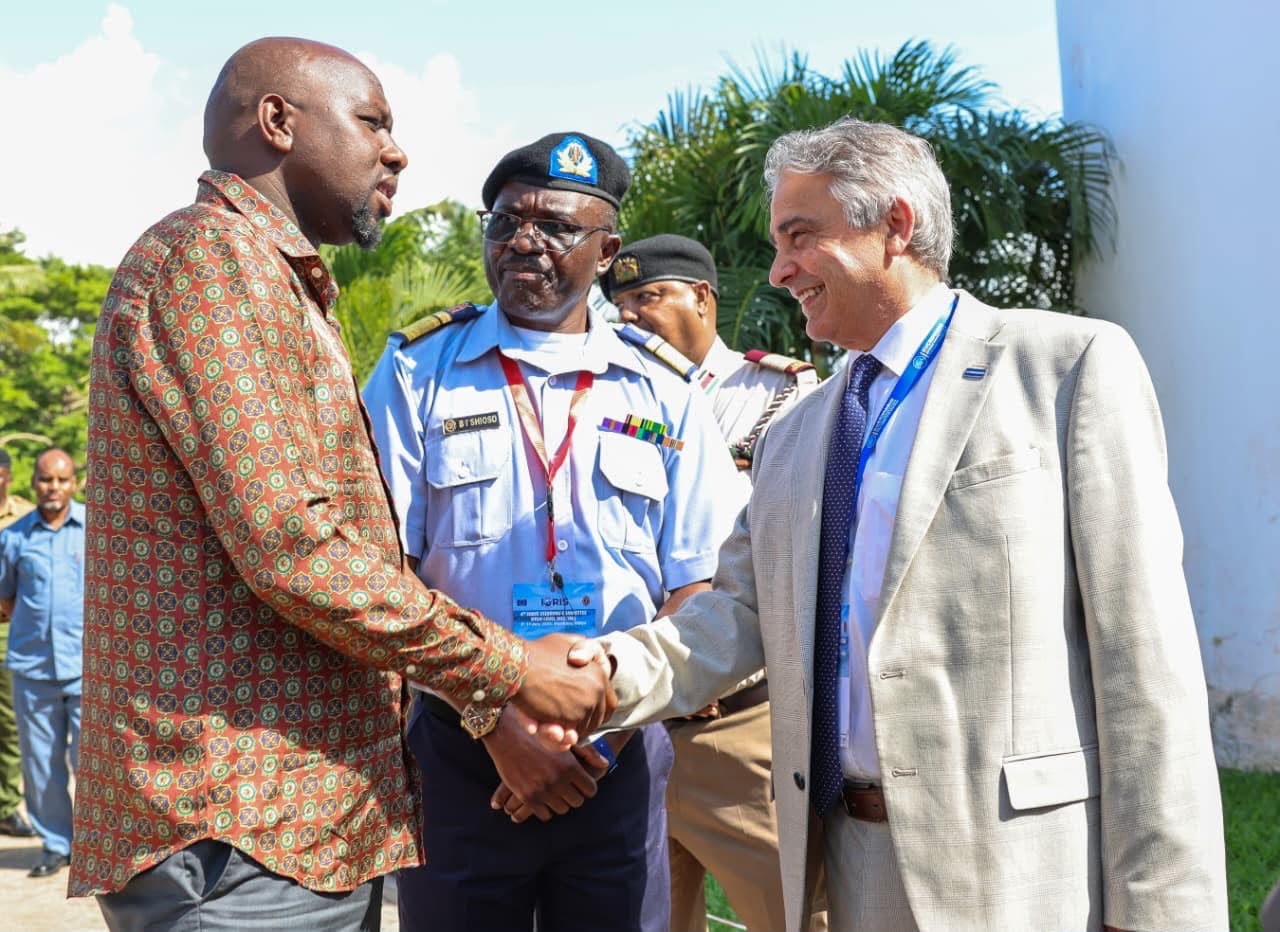
The CS was speaking on Tuesday, June 9, during the opening of the Fourth Indo-Pacific Regional Information Sharing Platform (IORIS) Steering Committee High-Level meeting happening in Mombasa.
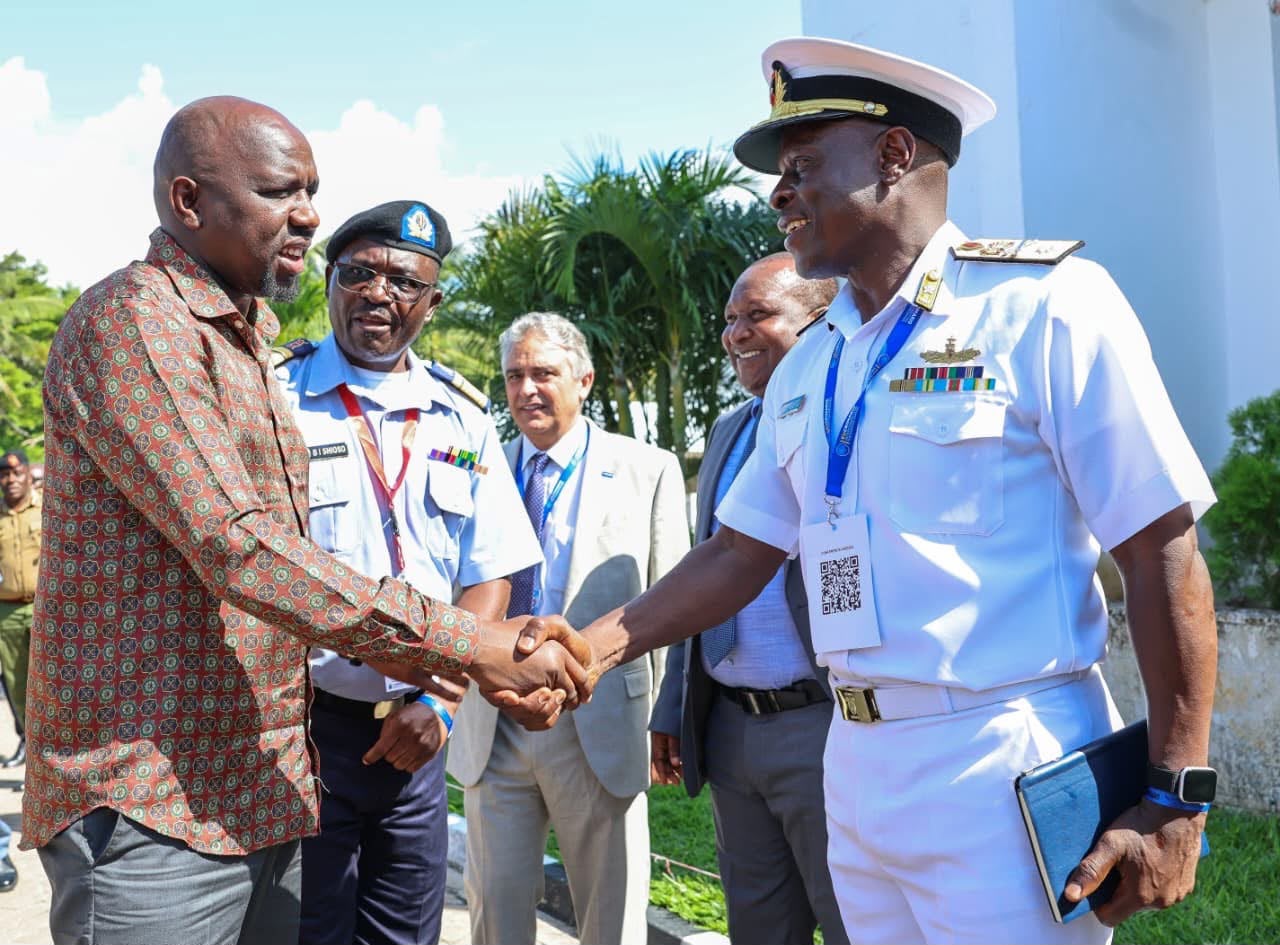
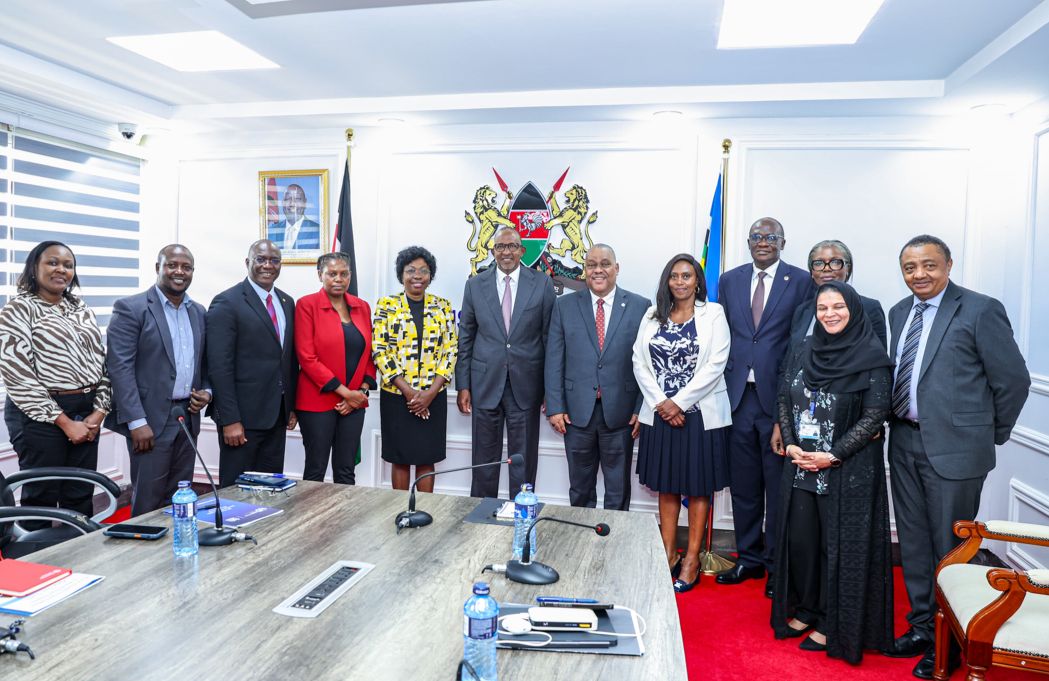
The three-day meeting, jointly hosted by the European Union-funded Critical Maritime Routes Indo-Pacific (CRIMARIO) programme and the Kenya Coast Guard Service (KCGS), brings together maritime security experts, government officials and military leaders from different regions to discuss cooperation in securing international waters.
Murkomen noted that oceans and sea routes have historically been the backbone of international trade, linking nations and facilitating economic growth across continents.
He said Kenya's own history reflects the importance of maritime commerce, with coastal communities engaging in trade with the Middle East, India and China centuries before modern globalisation.
However, he warned that maritime threats continue to evolve and now include piracy, armed robbery at sea, illegal, unreported and unregulated (IUU) fishing, as well as environmental crimes such as the dumping of hazardous materials in oceans.
"Such organised maritime threats pose an existential threat to mankind generally, and vulnerable populations in particular. This ought to be stopped," Murkomen said.
He called for stronger partnerships among nations, arguing that no country can effectively address maritime crime in isolation.
The CS praised the European Union for supporting Kenya's efforts to strengthen maritime security through technology and information-sharing initiatives.
According to Murkomen, Kenya has benefited significantly from the deployment of the IORIS platform, which enables maritime agencies to exchange information and coordinate responses to security threats.
Through the programme, agencies including the Kenya Coast Guard Service, Kenya Navy, Kenya Maritime Authority and Kenya Ports Authority have improved their ability to monitor activities within Kenya's territorial waters and beyond.
Murkomen also highlighted the development of the "Usalama Baharini" mobile application, which was created through collaboration between the Kenya Coast Guard Service and CRIMARIO.
The application allows fishermen and other sea users to access security and safety information and report incidents in real time, improving surveillance and response capabilities.
"Through this integration of technologies, KCGS is able to leverage fisherfolk at sea in accessing critical security and safety information, enabling timely enforcement reaction," he said.
The Interior CS said the technology effectively provides the Coast Guard with "a third eye" in monitoring Kenya's maritime domain.
Murkomen reaffirmed Kenya's commitment to working with regional and international partners to combat threats that undermine commerce and maritime security.
"Kenya is ready at all times to collaborate with nations and stakeholders to free our common waters of any threats that impede commerce and freedom of navigation," he said.
The conference is expected to review progress made under the IORIS programme and identify new strategies for enhancing maritime security cooperation across the Indo-Pacific and Western Indian Ocean regions.