

A Russian couple’s daring climb in New York turned into a Kenyan social media sensation within days.
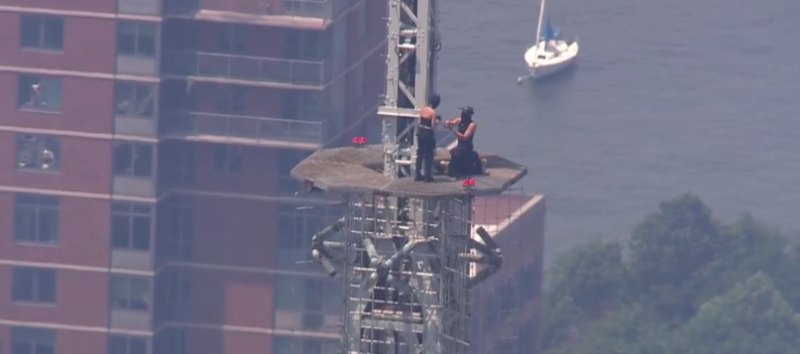
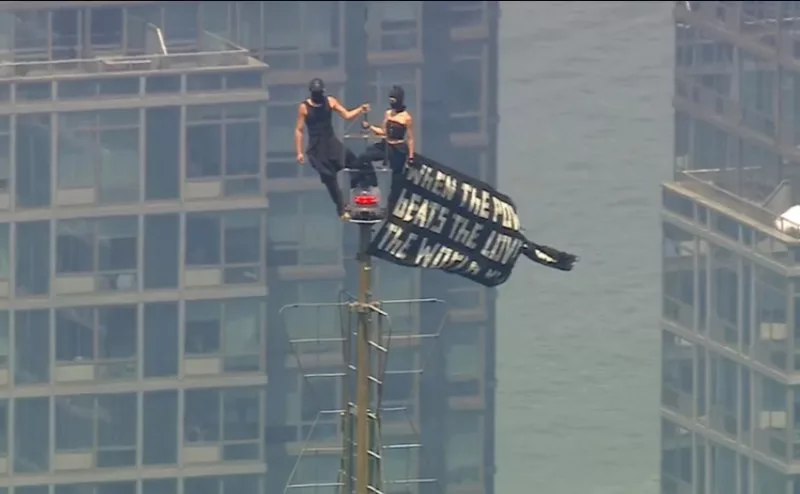
On July 1, 2026, Angela Nikolau and Ivan Beerkus scaled the spire of the Empire State Building. They wore no safety gear. They unfurled a large black banner with the words, “When the power of love beats the love of power, the world knows peace.”
Ivan proposed to Angela at the top, and she accepted. The pair kissed before descending into the arms of waiting NYPD officers.
News of the stunt spread quickly around the world. The image showed the couple perched high above the city skyline. The banner fluttered in the wind, and viewers admired the romance and the risk.
The moment gained extra attention because the pair already had fame from a Netflix documentary about their climbs.
Kenyans soon joined the conversation. Social media users, armed with basic editing tools and AI generators, seized on the clean black expanse and crisp white text. The result has been a whirlwind of lighthearted creativity that has entertained millions while highlighting the internet’s insatiable appetite for remixing real-world events.
Government agencies, brands, and ordinary users posted the altered versions on Instagram and X. The edits kept the dramatic visual of the climbers.
Only the message on the flag changed. This turned a foreign news story into local entertainment. The trend began almost immediately after the first reports appeared. By July 2 and 3, edited images filled Kenyan timelines.
People used the format to promote ideas, products, and messages in a light way. The high perch and flowing banner gave every edit instant visual impact.
One early example came from the Kenya Urban Roads Authority. The post showed the couple holding a bright yellow banner. It read, “Ngong Road Flyover Done! Tujenge gani next?” The edit celebrated the recent completion of a major road project. It invited followers to think about the next infrastructure priority.
The familiar skyline in the background made the message feel close to home.
The National Authority for the Campaign Against Alcohol and Drug Abuse, known as NACADA, created another version. Their banner said, “Hii salary weekend si tujibambe bila drinks na drugs guys.”
The text encouraged responsible enjoyment of end-of-month pay. It used everyday Kenyan language to deliver a public health reminder.
The edit mixed humour with a serious topic and reached many viewers quickly.
Safaricom also joined with its own edit. A green banner asked, “TUPANDISHE FULIZA LIMIT?” The question referred to the company’s popular mobile overdraft service. Followers could relate to the everyday need for small loans. The post used the viral image to spark engagement around a familiar financial tool.
Nairobi City County shared a version that highlighted local achievements. The banner displayed, “SH 15.4B Own-Source Revenue FY 2025/2026.” It added that City Hall had hit its highest ever record.
The post listed improvements in services and revenue collection. It closed with the hashtag #Lazima iwork. The edit turned the dramatic climb into a celebration of city progress.
These official posts appeared on verified accounts. They kept the original photo of the couple in climbing clothes. Only the flag text was replaced. Viewers noticed the speed of the response.
The edits showed how Kenyan institutions adapt global trends to their own communication needs. Individuals and private brands followed the same pattern. Some changed the banner words to promote new music releases.
Artists shared versions that announced songs or albums. Skin care companies edited the text to highlight products and routines.
Clothing brands used the format for sales campaigns and new collections. Ordinary users created memes to share jokes or personal thoughts. The edits worked because they kept the excitement of the original scene. The tiny platform high above the city remained the same.
The flowing banner drew the eye. Only the message shifted to something Kenyan audiences understood right away. This approach made even routine announcements feel fresh and shareable.
Many posts gained strong reactions. Likes and comments increased as people recognised the clever changes.
Some users praised the quick thinking. Others laughed at the wordplay that connected a New York stunt to daily Kenyan life.
The trend showed how social media allows fast remixing of content. The original event took place far from Kenya, yet within hours of the news breaking, local voices claimed a piece of it.
Government bodies used it to talk about roads and health. Companies used it to discuss services. Individuals used it for fun and expression.
The edits turned one dramatic image into many conversations. This wave of creativity lasted through the first days of July 2026.
New versions continued to appear as more people joined in. The story of the Empire State Building climb gained a distinct Kenyan chapter.
It proved that a single viral moment can travel and transform when local audiences pick it up and make it their own.