



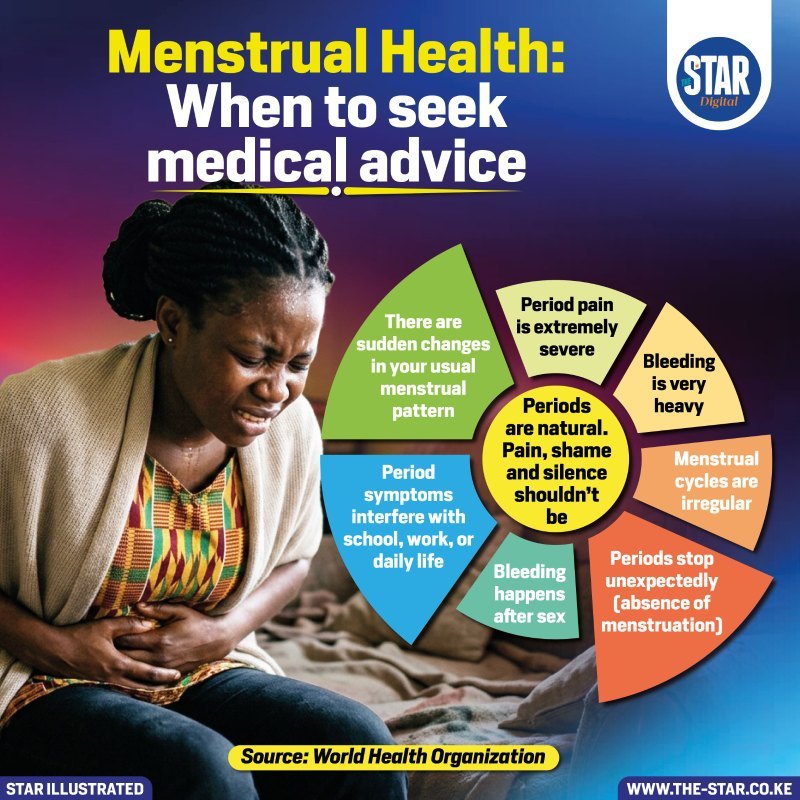
While menstruation is a natural biological process, health authorities emphasise that pain, shame, and silence should never be part of the experience.
Medical advice becomes necessary when specific symptoms disrupt a person's well-being or standard cycle. Understanding these red flags is crucial for timely intervention and managing reproductive health.
A primary concern is when period symptoms begin to actively interfere with school, work, or daily life activities.
Extremely severe period pain and very heavy bleeding are also key indicators that medical evaluation is required, rather than dismissing the discomfort as standard cramping.
Furthermore, changes in the rhythm and regularity of the menstrual cycle warrant professional attention. This includes experiencing irregular menstrual cycles, sudden unexpected changes in a person's usual menstrual pattern, or when periods stop unexpectedly altogether, resulting in an absence of menstruation.
Additionally, experiencing bleeding after sex is identified as an explicit indicator that requires a medical checkup.
These guidelines aim to dismantle the stigma and silence surrounding menstrual complications. Recognising these symptoms early allows individuals to advocate for their health and seek the necessary support from qualified medical practitioners.