

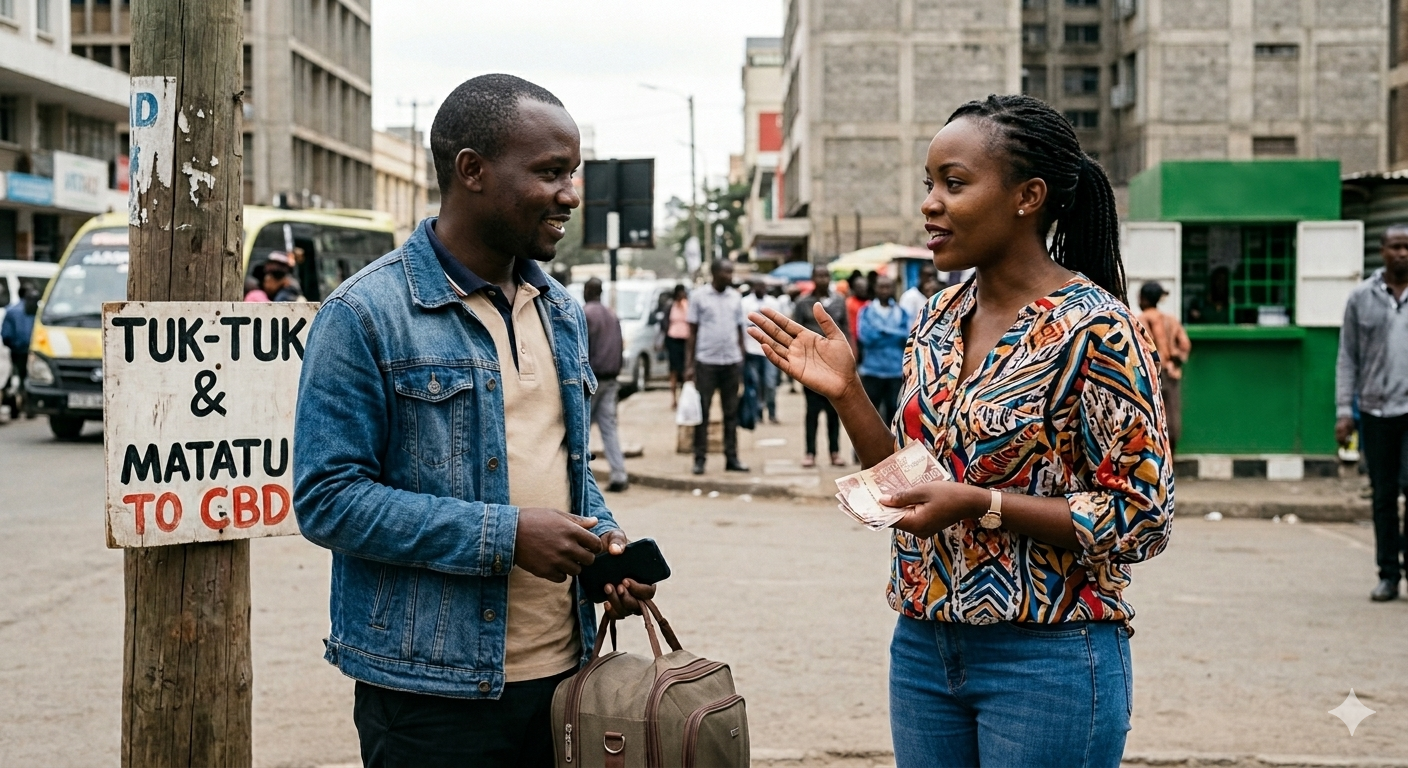
 AI ILLUSTRATION.
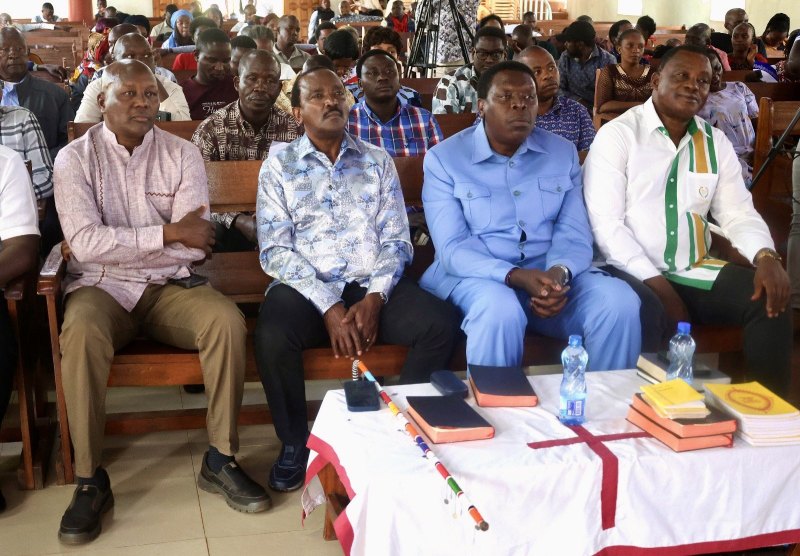
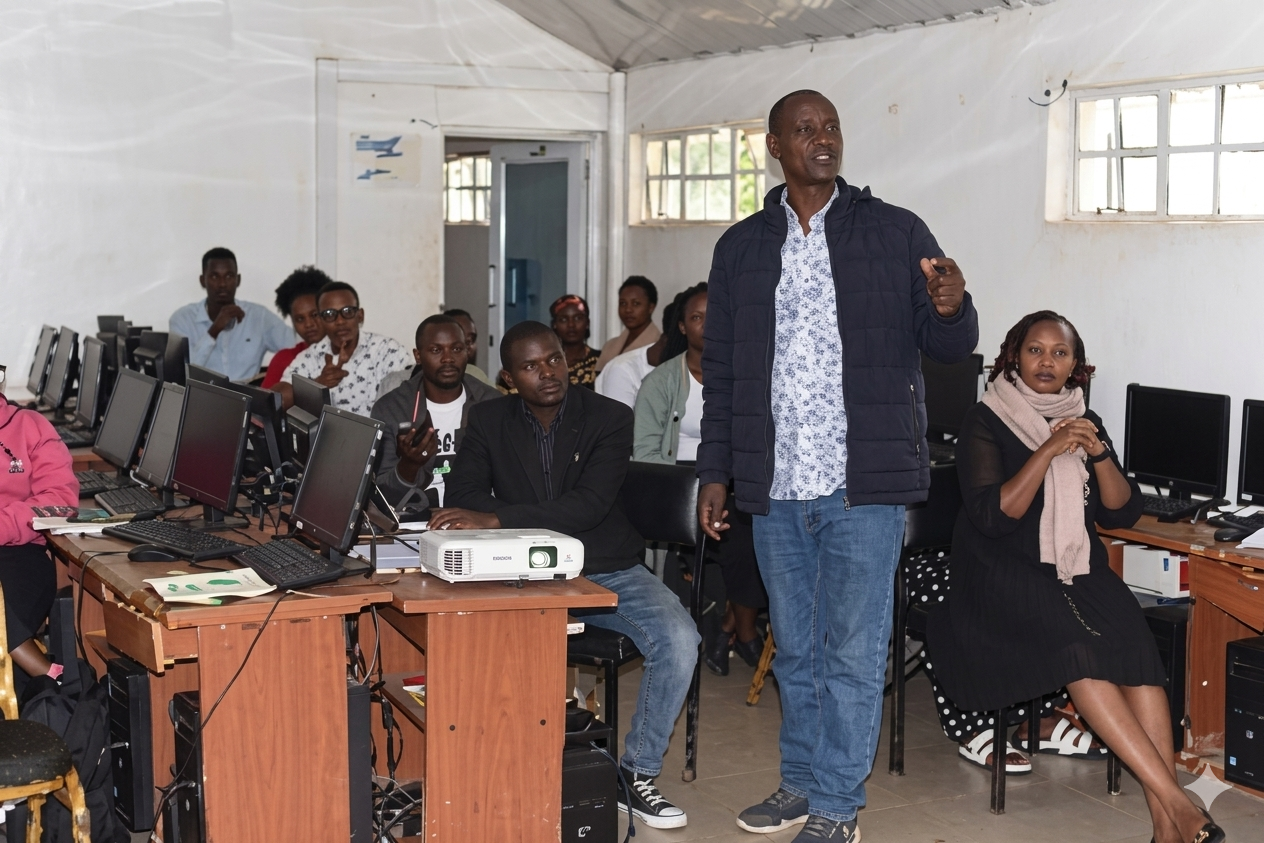 James Omwenga speaking during a GBV, femicide sensitisation meeting in Machakos county on June 4, 2026..
Women and girls have been urged not to accept transport money from men for dates they have no intention of honouring, with a women's rights advocate linking such situations to cases of gender-based violence and femicide.
Speaking during a Gender-Based Violence (GBV) and femicide sensitisation forum in Machakos County on Thursday, Tuboreshe Pamoja Community-Based Organisation representative Harriet Amache called on women to take personal responsibility and avoid situations that could expose them to danger.
"We should take responsibility as women. Nothing comes easy. Success has a pattern. If we promise men dates, please don't eat their fares. Don't take their fares if you aren't ready to go since these are some of the things that make us get killed," Amache said.
She said poverty and economic inequality remain among the major factors driving GBV and femicide, noting that some women are lured with money and resources into situations that later turn dangerous.
"Some major causes of femicide and GBV are economic factors, with poverty being a major contributor. Poverty has made people look for alternatives. Sexual abuse of young girls and women and marital wrangles come from poverty," she said.
Amache urged women to avoid engaging in activities whose consequences they may not be prepared to face, adding that the fight against femicide requires the involvement of the entire society.
"Femicide ends dreams, families and generations," she said.
Stakeholders at the forum also called for the speedy implementation of recommendations contained in the national report on GBV and femicide, arguing that Kenya already has strong laws and policies but continues to face challenges in enforcement.
Amache proposed the abolition of alternative dispute resolution mechanisms in handling GBV and femicide cases, saying many incidents are settled informally within communities instead of being reported to law enforcement agencies.
"Working at the grassroots level, we understand that most GBV cases that lead to femicide are solved locally without taking the law and relevant authorities into consideration," she said.
Participants further recommended that courts expedite GBV and femicide cases to prevent suspects from returning to villages and influencing informal settlements of criminal matters through what they termed kangaroo courts.
Machakos County Gender Officer Betty Kanyiri said the forum brought together community stakeholders and opinion leaders to discuss ways of preventing and responding to GBV and homicide.
"We discussed prevention measures which the community can undertake to prevent and handle cases of GBV and homicide," Kanyiri said.
She identified harmful cultural practices and beliefs as major contributors to violence against women.
"Some people believe wife battering is okay. As a community in Machakos, we need to address the issue. It isn't okay to beat a woman since that's where femicide begins. It isn't okay to kill a girl or woman. Every life that is lost represents a community that is broken forever," she said.
Kanyiri warned residents against resolving GBV cases through informal village meetings and stressed that perpetrators must face the law.
She said the government remains committed to arresting and prosecuting those involved in GBV and femicide-related crimes.
James Omwenga, an officer from the Gender-Based Violence Directorate, said recommendations collected during the forum would be reviewed as part of efforts to strengthen the fight against femicide.
According to the report under discussion, 1,632 women were killed between 2022 and 2024, representing a 10 per cent increase over the period.
Omwenga said Nairobi recorded the highest number of femicide cases, followed by Meru and Nakuru, while Garissa and Lamu registered the lowest figures.
He said findings from the report linked many femicide cases to economic disparities between men and women, with some victims being lured with money and resources before being harmed.
"We call upon all Kenyans of goodwill to come together so that we sustain the campaign against femicide in the country," Omwenga said.
The sensitisation exercise is currently being conducted in 20 counties, including Machakos, Kitui, Makueni, Meru, Murang'a, Nyamira and Kisii