

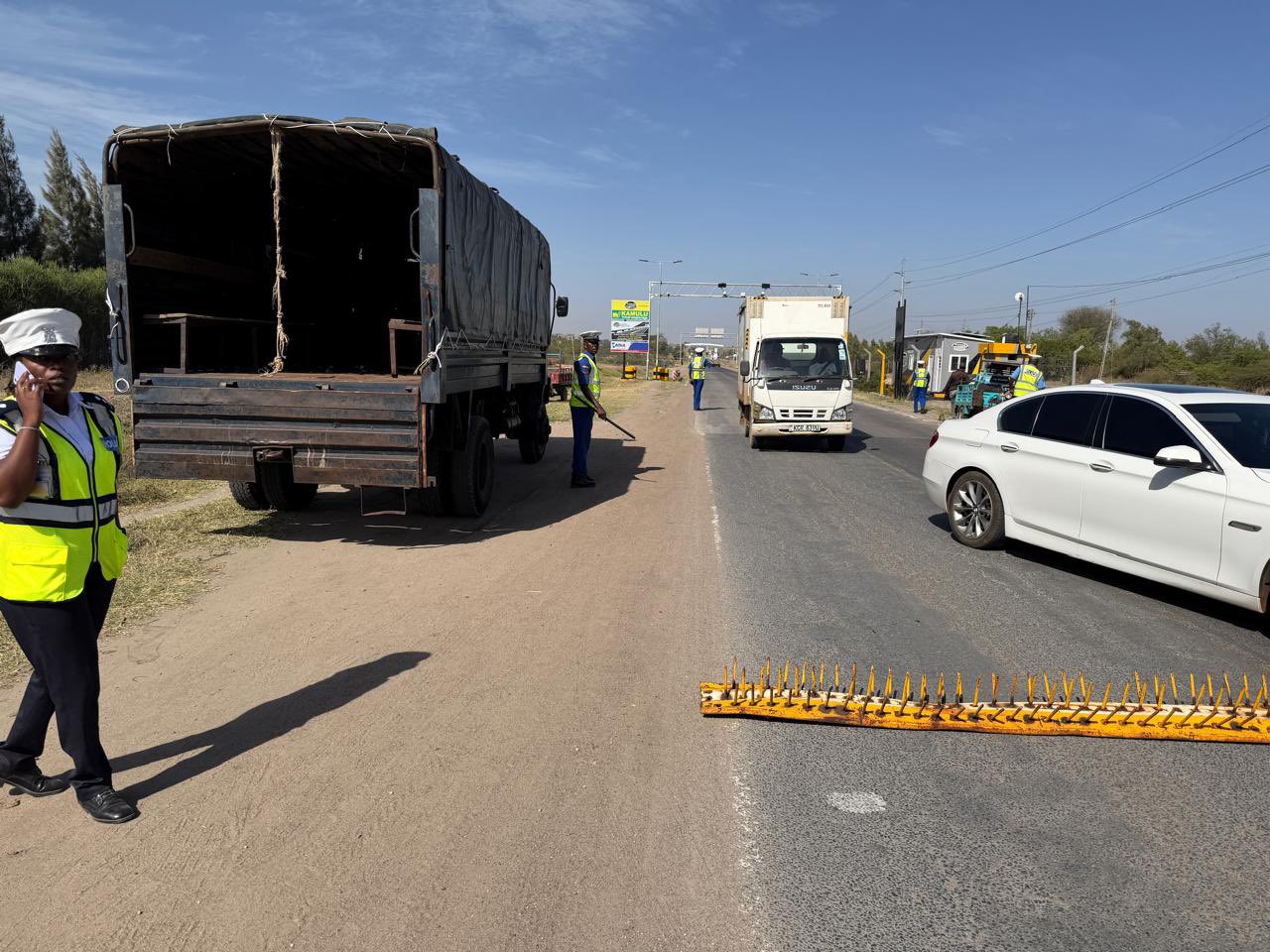
 NTSA inspection.
The plan to subject private vehicles older than four years to annual inspections deserves closer scrutiny. Road safety is important, and every Kenyan wants safer roads. But good policy must also be fair, practical and based on evidence.
Kenya already has one of the strictest vehicle import rules in the region. Used vehicles imported into the country cannot be more than eight years old. Before they leave the country of export, they undergo inspection to confirm they meet Kenya's standards. If a vehicle has already passed a recognised inspection before shipment, why should it face another mandatory inspection after only four years?
A more sensible approach would be to begin annual inspection in the first year of imported second-hand vehicles. That is the point when age is more likely to start affecting roadworthiness
Starting inspection immediately the car lands in Kenya risks creating the impression that the exercise is more about collecting fees than improving safety.
There is also the question of capacity. Kenya has about six million registered vehicles. Does the National Transport and Safety Authority have enough inspection centres, equipment and trained staff to inspect such a large number of vehicles every year without causing long delays and inconvenience?
If the system becomes slow or difficult to access, motorists
will lose valuable time and businesses will suffer. Worse still, long queues
and unnecessary bureaucracy will create opportunities for corruption.
Quote of the day: “A goal without a plan is just a wish.” —French writer Antoine de Saint-Exupéry was born on June 29, 1900.p.p1 {margin: 0.0px 0.0px 0.0px 0.0px; font: 9.0px 'Azbuka Light'} span.s1 {font: 9.0px Azbuka}