
As the expanded 48-team 2026 Fifa World Cup prepares to kick off in North America on Thursday, the June 11 to July 19 showpiece is generating intense discussion both on and off the pitch.
From an unprecedented field of teams to pressing geopolitical and health crises that have hit closer to home, this tournament promises to be like no other.
The Star looks at 10 key storylines that will define the tournament over the next month.
1. The Ebola shadow
The World Cup begins under a cloud of international public health anxieties following a recent Ebola outbreak. The issue is trending heavily in Kenya after recent public uproar over an attempt by America to set up a dedicated quarantine facility in the country. There are concerns that the global movement of millions of fans across the US, Mexico and Canada could exacerbate screening protocols, sparking diplomatic friction and tightening border checks for travellers from the Global South.
2. Iran war tensions
Geopolitical conflict is casting a long shadow over Group G, where Iran is scheduled to play alongside Belgium, Egypt and New Zealand. With the ongoing Iran war driving global diplomatic instability, rigorous security adjustments are being made. The conflict has severely disrupted international airspace, raising travel costs and causing logistical nightmares for fans and delegations trying to reach host cities like Los Angeles, where Iran opens its campaign.
3. Expanded 48-team format
On the pitch, history will be made as the tournament expands from 32 to 48 teams, featuring a massive 104 matches. This change has opened the door for debutants like Cape Verde, Curaçao, Jordan and Uzbekistan. While critics argue the larger field might dilute the quality of the group stages, the new format offers a historic platform for lower-ranked nations to test their mettle against footballing royalty.
4. Africa’s historic contingent
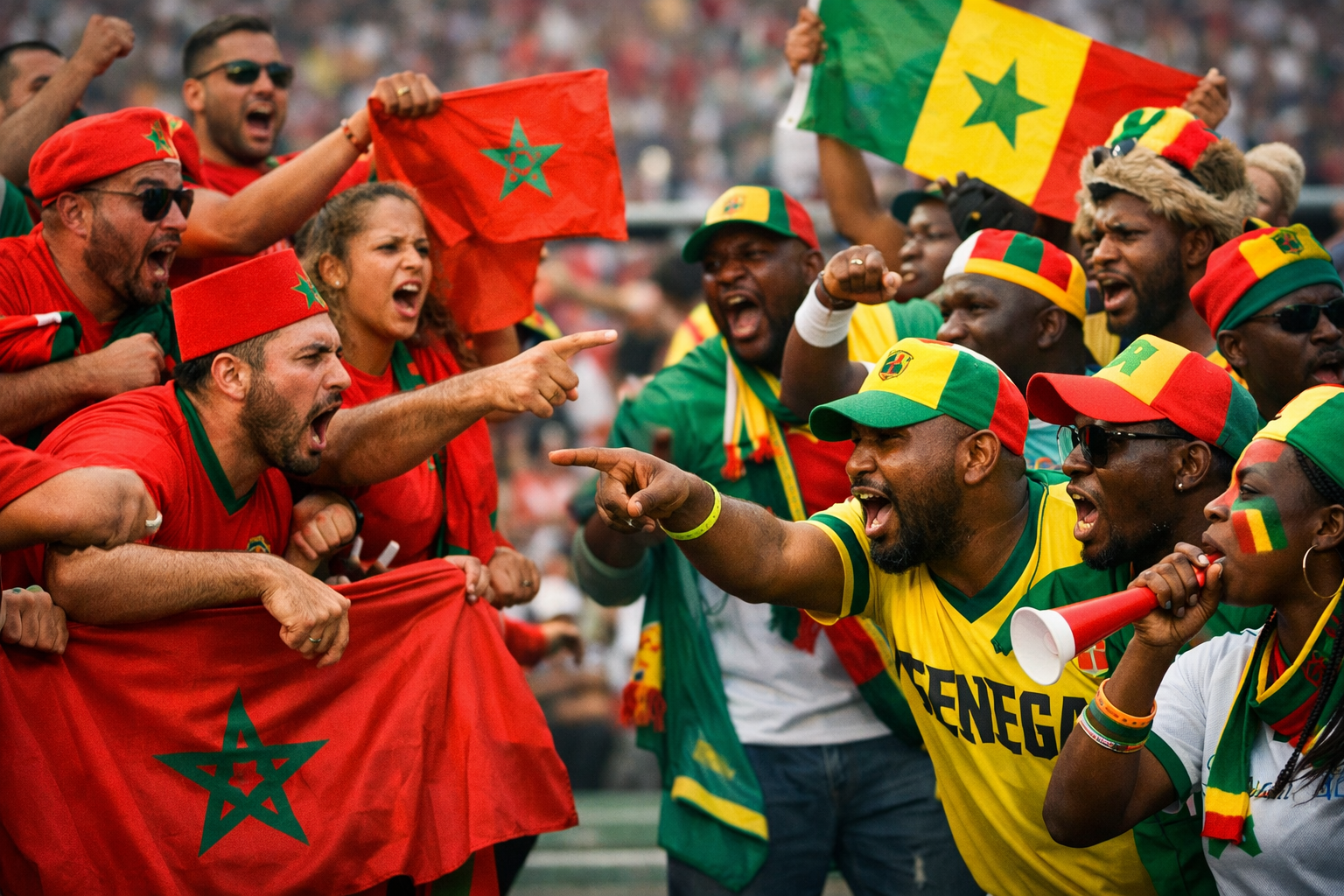
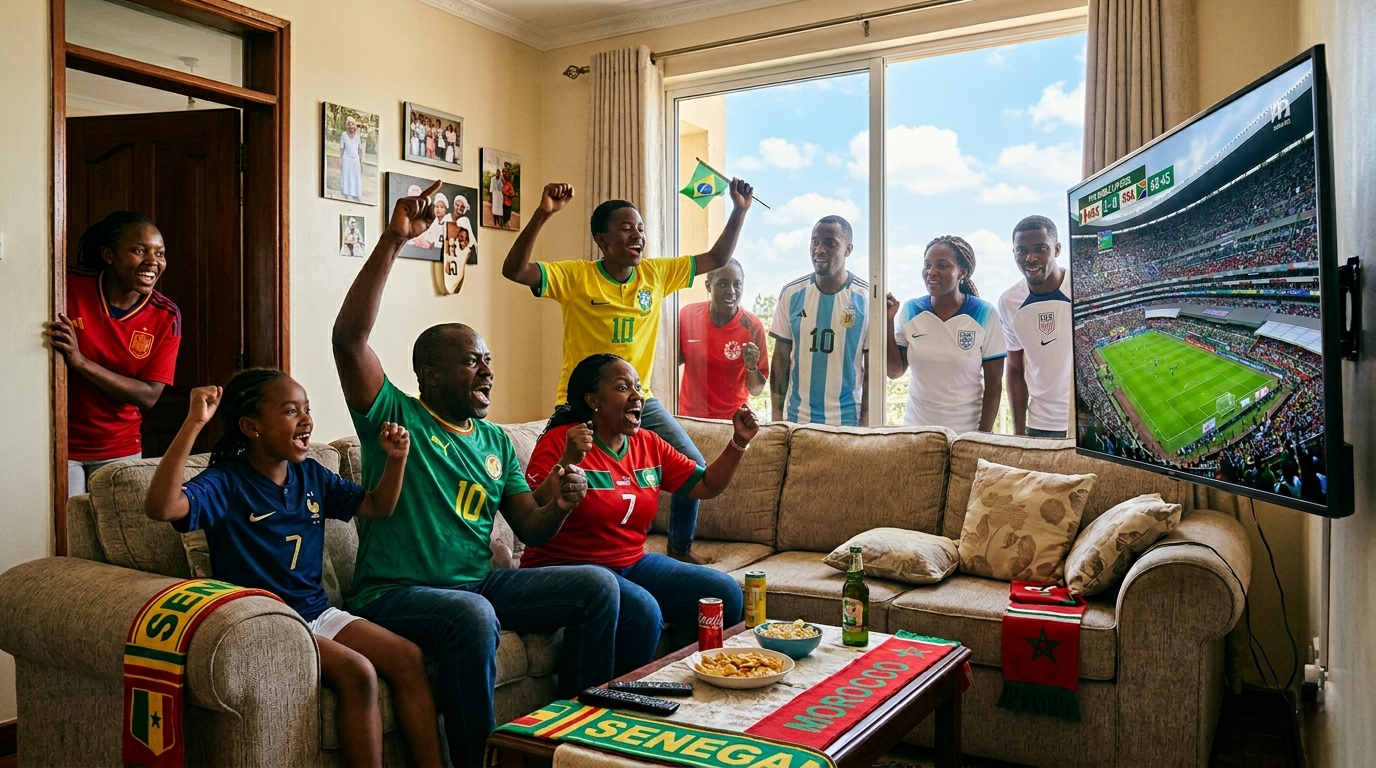
With the expansion, Africa is sending a record 10 teams to the global stage, aiming to surpass Morocco’s historic semi-final run in 2022. Heavyweights like South Africa, who play Mexico in the tournament’s opening match at the iconic Estadio Azteca, alongside Senegal, Côte d’Ivoire and Egypt, carry the continent’s high hopes. The increased representation has sparked optimism that an African team could finally lift the coveted trophy.
5. Messi’s ultimate defence
All eyes remain on Lionel Messi as Argentina arrives to defend the title they won in Qatar. At 38, the legendary playmaker, who retired after serial heartbreak with the national team in 2016 but made a triumphant return, is expected to anchor La Albiceleste in what will almost certainly be his final World Cup appearance. Positioned in Group J alongside Algeria, Austria and Jordan, Argentina faces a gruelling path if they hope to secure back-to-back global crowns and give their talisman the perfect international send-off.
6. Ronaldo’s historic final dance
Parallel to Messi’s campaign is the enduring saga of Cristiano Ronaldo. At 41, the Portuguese icon is set to break records by appearing in his sixth World Cup tournament. While debate has simmered back home in Lisbon regarding his role as a guaranteed starter, Ronaldo enters the tournament determined to lead a highly talented Portuguese squad out of Group B, where they face Iraq, Nigeria and Scotland. For millions of fans worldwide, watching how the legendary forward manages his minutes and influences the pitch in his twilight competitive years remains a primary fascination.
7. Extreme weather and the climate challenge
The sheer geographical scale of the tournament presents an unprecedented atmospheric challenge for athletes. Matches will be played across three vastly different climate zones, stretching from the high altitude of Mexico City to the intense summer humidity of Miami and Houston. Sports scientists have raised concerns over player fatigue and hydration, forcing teams to adopt rigorous acclimatisation protocols. Fifa has countered by scheduling later kick-off times for cities facing extreme afternoon heat and utilising state-of-the-art climate-controlled stadiums where possible to ensure player safety.
8. Ifab’s strict new rules on the pitch
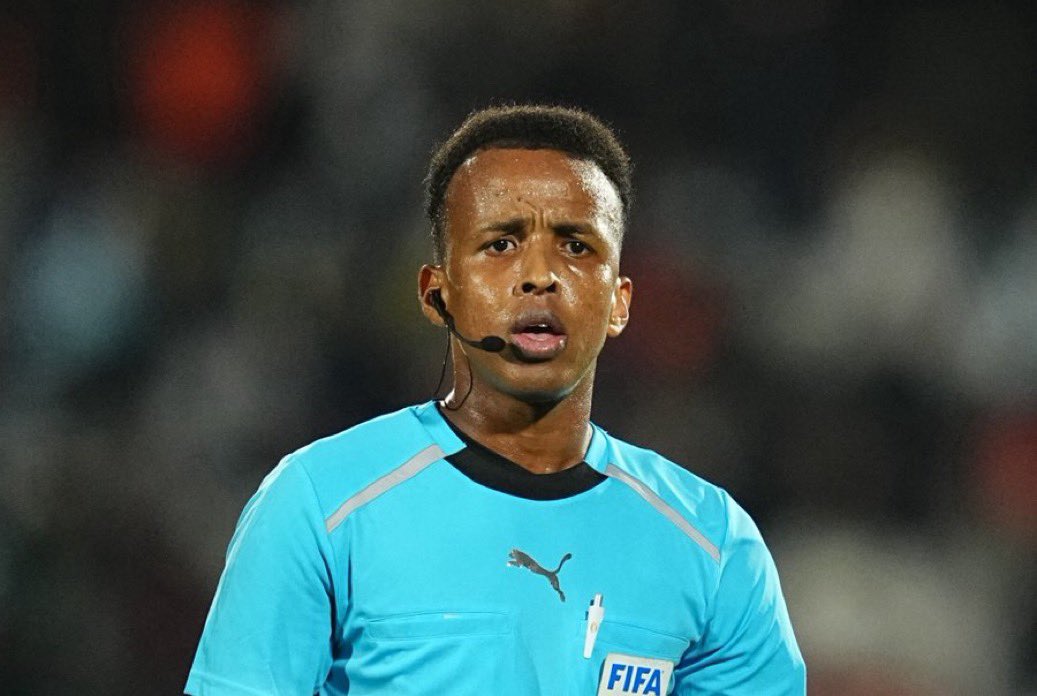
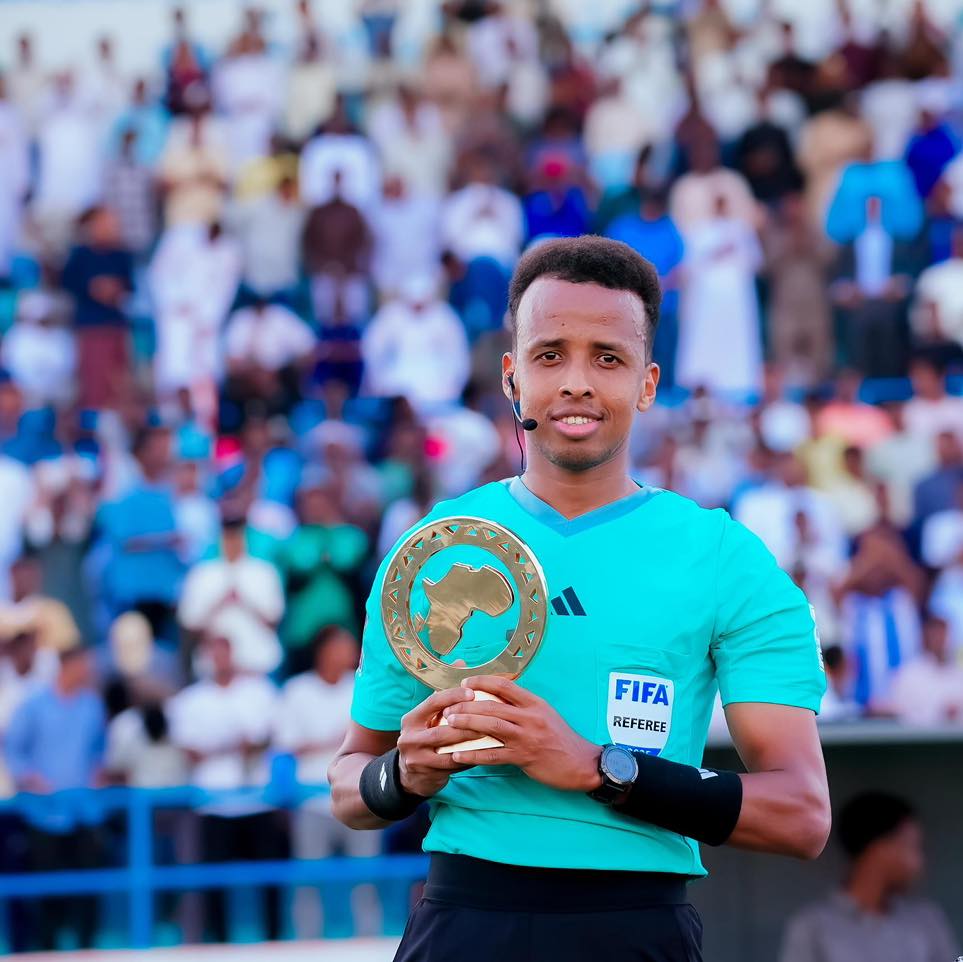
Referees at this World Cup will enforce several key rule updates mandated by the International Football Association Board. Most notably, a strict ‘captain-only’ dialogue rule will be implemented to combat player dissent. Under this directive, only the team captain may approach the referee to discuss crucial decisions, with any other player doing so receiving an automatic yellow card. Additionally, rules regarding accidental handball situations inside the box have been clarified to reduce soft penalties, and stricter guidelines will look to eliminate deliberate time-wasting during substitutions.
9. The frontrunners and favourites
Beyond the defending champions, football pundits have installed a familiar trio at the top of the favourites list. Kylian Mbappé’s France enters the tournament with an incredibly deep squad, eager to avenge their 2022 final defeat. Real Madrid star Vinícius Júnior leads a rejuvenated Brazil seeking their first global title since 2002, while Jude Bellingham’s England carries the heavy expectations of a nation desperate to bring football home. These powerhouse nations are widely expected to dominate, though the expanded knockout tree increases the likelihood of unpredictable giant killings.
10. Fan logistics: Tickets, transport and borders
Away from the stadiums, travelling fans are voicing significant anxieties regarding the sheer cost and logistics of attending a multi-nation tournament. Average ticket prices have soared, and the lack of an interconnected high-speed rail system across the vast North American continent has forced fans to rely on expensive domestic flights. Furthermore, rigorous immigration checks and visa backlogs at US borders have drawn criticism from international fan associations, who warn that rigid entry requirements might prevent thousands of loyal supporters from witnessing the spectacle live.