GEN Z CORNER: Voter registration becomes a flex
I used to say my vote didn’t matter until ‘Niko Kadi’ awakening hit me
3mon agoNELLY MUCHIRILifestyle
We think we are smarter, stronger, immune but abusive relationships can affect anyone


Audio By Vocalize
The first time I blamed a victim, I was sitting on the dusty concrete steps outside our lecture hall at campus, eating a smokie pasua and sipping a lukewarm soda like I had life figured out.
My friend, *Susan (not her real name), had just broken up with her boyfriend. Again.
“Si you left him last month?” I asked, half laughing.
She nodded, eyes red.
“And you went back?”
Another nod.
I remember rolling my eyes so hard. In my head, the math was simple: If someone hurts you, you leave. End of story. Anyone who stayed must secretly enjoy the chaos. That was my brilliant Gen Z philosophy, forged somewhere between X threads and hostel gossip.
Then I started watching the relationship up close.
Susan and I met in our first year at campus in Nairobi. She was loud, funny, the kind of person who could turn a boring group assignment into a stand-up comedy set. But every few weeks, something would dim.
It usually started with her phone lighting up nonstop.
Her boyfriend would call. If she didn’t answer immediately, the texts followed:
Where are you?
Who are you with?
Send location.
At first I thought it was normal couple drama. But the pattern got darker. One evening we were studying at the library. She stood up suddenly, whispering, “I have to go.”
“Why?” I asked.
“He says if I don’t leave now, he’ll come here.”
It sounded dramatic until he actually showed up. Angry. Loud. The security guard had to intervene. That was the first time I realised this wasn’t just toxic, it was scary.
But the confusing part? Two days later, she was back with him. And that’s where my old mindset kicked in again.
“How do you go back to someone like that?” I asked her once while we walked past the campus kiosks.
She shrugged. “It’s not that simple.”
At the time, I thought that sentence was nonsense.
Among Gen Zs, victim blaming often hides behind the language of ‘personal responsibility’. Scroll through TikTok or X after a relationship scandal, and you’ll see comments like: “She wanted the soft life.” “Why didn’t they just leave?” “Red flags were obvious.”
We say it like we’re giving life advice. But sometimes, it’s just judgment dressed as wisdom.
A classmate of mine, Faith Mwikali, 22, once told me bluntly:
“Honestly, if someone keeps going back to a toxic partner, at some point it’s on them. We all have choices. You can’t keep playing the victim forever.”
And I used to agree with her. But living near Susan’s reality complicated my stance.
Abuse isn’t just shouting or hitting. Sometimes it’s psychological chess. Susan’s boyfriend would be terrifying on Monday and unbelievably loving on Wednesday. Flowers. Apologies. Long emotional voice notes about how he was ‘healing’.
It created a cycle that looked ridiculous from the outside but suffocating from the inside.
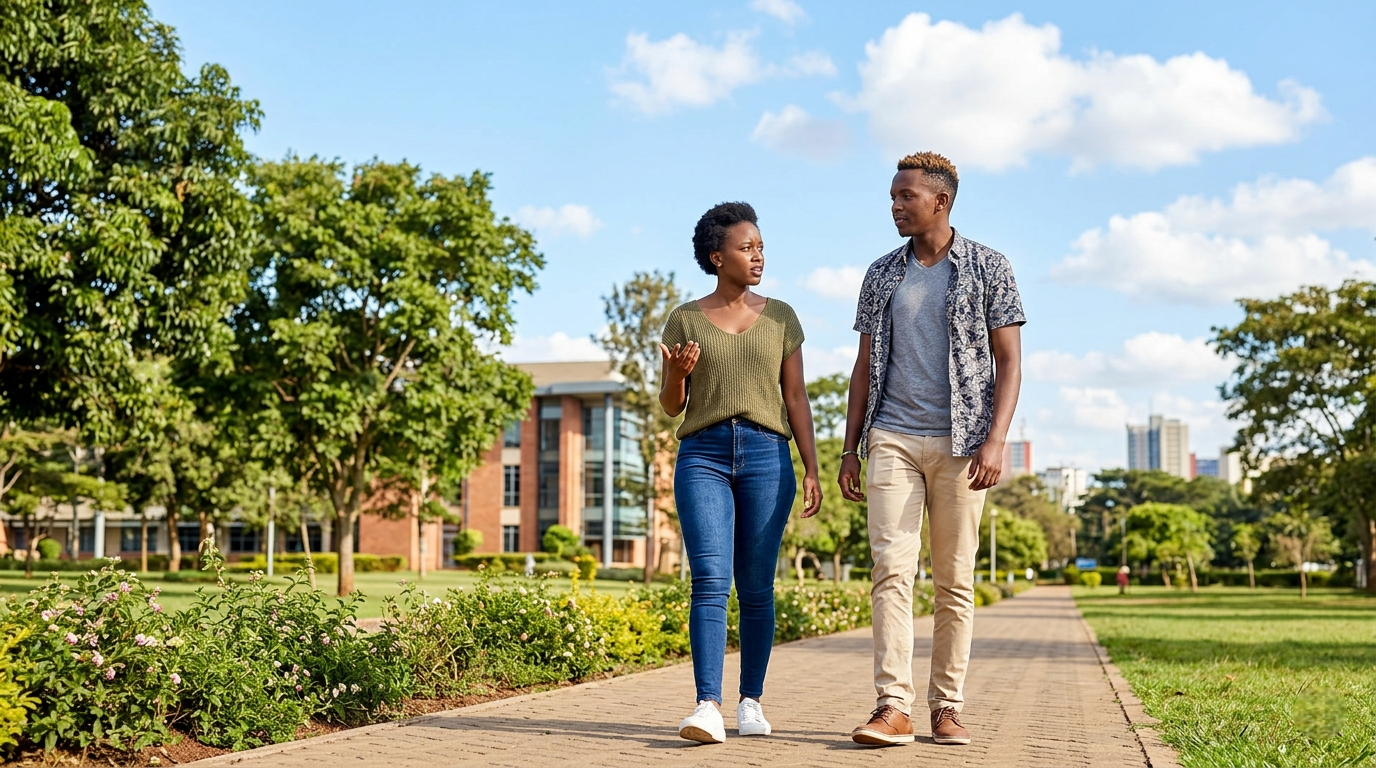
One night, Susan explained it to me while on an evening stroll after a class.
“He makes me feel crazy,” she said quietly. “Like I’m the problem.”
That sentence stuck with me.
Research on abusive relationships actually shows that emotional manipulation, isolation and intermittent affection can create what psychologists call trauma bonding. Victims aren’t just choosing to stay, they’re often trapped in a psychological loop that rewires how they see themselves and their partner.
But Gen Z culture loves simple explanations. We’re the generation of hot takes. Everything becomes a moral scoreboard: strong vs weak, smart vs foolish.
Real life isn’t that neat.
I learned this lesson from an unexpected source, another friend, *Paul, now 24. Most people assume abusive relationships only go one way, but Paul experienced something similar with his ex-girlfriend.
When we talked about victim blaming, he shook his head.
“People think leaving is easy,” he told me. “But when someone controls your emotions, isolates you from friends and constantly makes you feel like you’re worthless, you start believing it. You feel stuck. I stayed two years longer than I should have.”
Hearing that from a man cracked something open in my thinking. Maybe the question isn’t why victims stay. Maybe the better question is why we’re so eager to judge them.
Part of it, I think, is fear. If abuse is complicated, then it could happen to anyone, including us. Blaming the victim creates distance. It reassures us that we’re smarter, stronger, immune. But life has a way of humbling that kind of confidence.
By our final year, Susan eventually left the relationship for good. Not because people told her to. Not because of our lectures about ‘self-respect’. She left when she was ready.
Watching her rebuild herself, slowly, painfully, was like watching someone learn how to breathe again. And it forced me to confront something uncomfortable: the smug version of me on those lecture hall steps had no idea what Susan was talking about.
Victim blaming often masquerades as tough love, but more often it’s just emotional laziness. It’s easier to judge someone’s decisions than to understand their circumstances.
So when I hear Gen Z conversations about abusive relationships now, I pause before throwing my opinion into the group chat.
Because sometimes the smartest thing you can say is not “Why did you stay?”
Sometimes it’s simply, “Are you okay?”
I used to say my vote didn’t matter until ‘Niko Kadi’ awakening hit me
You date without committing but then fret at being kept at arm’s length