It then remains the
responsibility of scribes, that is journalists, writers, and public thinkers, to
urgently check and correct any misinformation or disinformation.
Disinformation
refers to false or misleading information that is deliberately created and
shared with the intention to deceive, manipulate opinions, or influence public
perception. Unlike misinformation, which may be spread unknowingly,
disinformation is intentional and often used in political, social, or economic
contexts to confuse audiences, create division, or achieve a specific agenda.
Any claims perpetrated
against an institution for instance, becomes gospel truth unless proven otherwise.
When proven otherwise, unfortunately, the damage is mostly always done.
During campaign periods such as this and next year, those who craft fake
narratives will be at their peak, creating so much harm to would be good
institutions, good parties and good candidates.
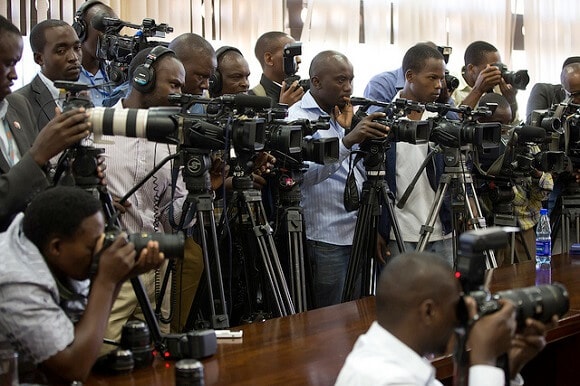
Scribes have
historically served as society’s record-keepers and conscience, and the expectation
is no different in Kenya. Today, our role as scribes must evolve into active
resistance against any falsehoods peddled by those that craft and market false
narratives and sensational stories to us.
The temptation of also picking and
developing on false narratives is there, thus we should scrutinise stories, and
reclaim authority when it comes to publishing, especially on the upcoming
elections, institutions, candidates among other agenda.
For
instance, there has recently been a rise in AI generated content in Kenya,
including fake fabricated images and edited videos of political leaders or even
sometimes satirical images of the said leaders.
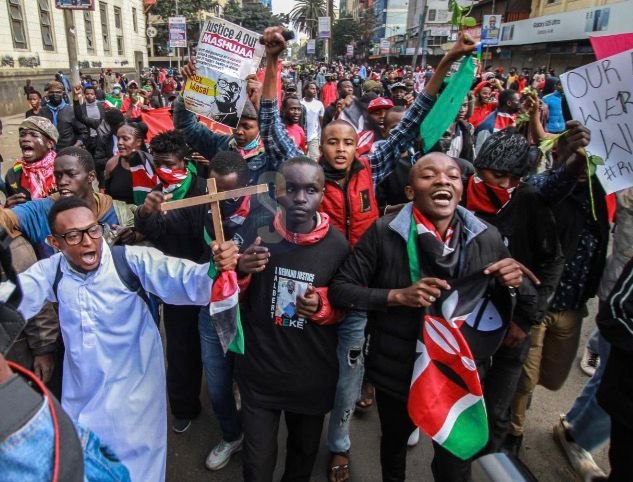
These have been used during
protests and political debates, sometimes misleading the public or escalating
tensions. Technology is therefore making disinformation more convincing and
harder to detect.
Exposing
disinformation requires more than fact-checking. It is the courage to challenge
powerful interests, patience to trace sources, and clarity to communicate truth
in ways that resonate with the Kenyan and wider public.
Our digital landscape
is however, filled with so much information, and it only takes a minute of the audience's
time to buy into any disinformation piece. It is therefore prudent that we as
scribes take time to verify anything put out there, from mainstream to gutter
media. Any complex information should be broken down as much as possible to
create understanding to the lay audience.
Moreover, scribes should also continuously recognise their influence. Every article we
write, post, or broadcast contributes to shaping public understanding, from young
to old, Kenyan or foreign, our information travels wider than we could ever
think.
Our own ethical responsibility for truth should guide the influence that
we have, such that we prioritise accuracy over speed, context over the common
clickbait, and ultimately integrity over how popular you or your media house
becomes.
Scribes in
this day and age can detect disinformation by rigorously verifying sources,
cross-checking facts across credible outlets, analysing the source’s
intent and any potential bias, and using the plenty of paid and unpaid digital
verification tools like for instance Google reverse image search which is
completely free to use, among others to confirm the authenticity of the content
we publish and broadcast.
[email protected]
Vera
writes on African Youth, Democracy, Higher Education and Development