Ruthless PC behind Wagalla massacre, Kaaria, dies at 91
Kaaria was appointed a PC in April 1980 and posted to Northeastern until April 1984.
by GORDON OSEN
Audio By Vocalize
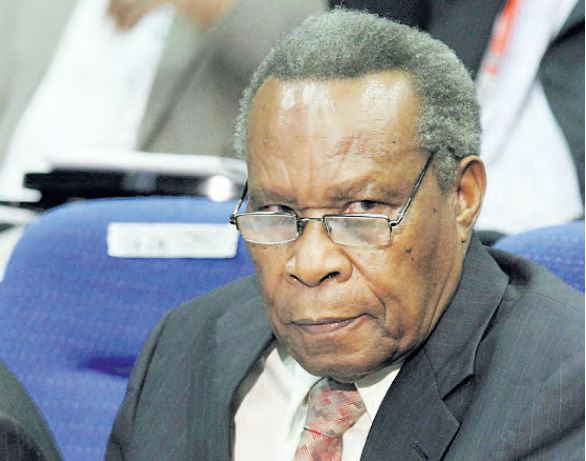
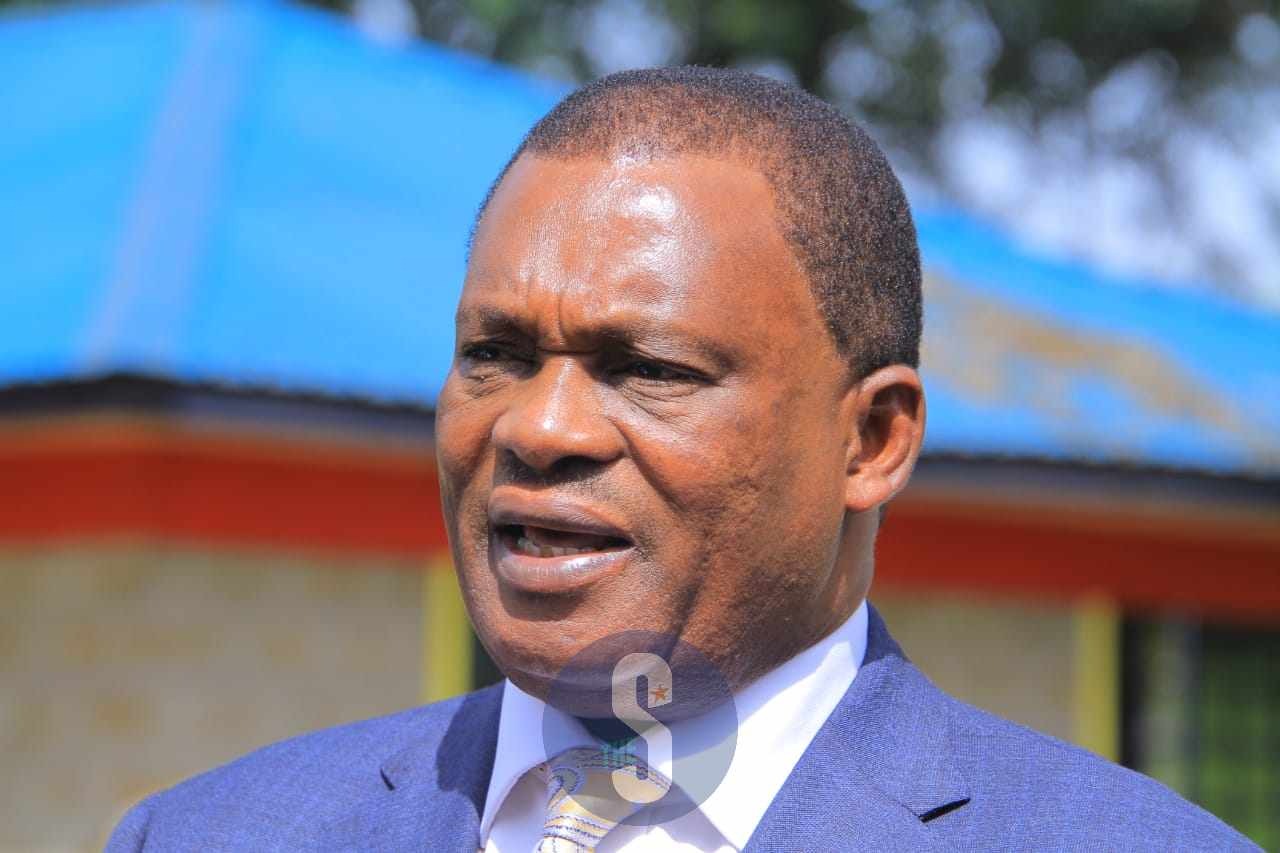
Former powerful Northeastern PC Benson Kaaria answers questions regarding the Wagalla massacre on June 14, 2011 /FILE
Benson Kaaria was among a
clique of old-school administrators
who believed a security order by a
superior was far heavier than the
person giving it and everything, including lethal force, must be used
to fulfil it.
That was the thinking that informed the anti-banditry operation
he oversaw as the Northeastern
provincial commissioner in 1984.
Some 5,000 men were herded
into Wajir airstrip and kept for a
week without food or water under
the scorching sun before being executed.
Kaaria would tell the Truth, Justice and Reconciliation Commission in 2011 that if given a chance
to do things differently, “I would
have put the people into Wajir prison as it had space and could have
accommodated over 200 people.
If there was an overflow of people,
they could have been taken to Wajir social hall.”
But the “operation was a big
success. I have no apology on what
happened. The much I can do is offer my sympathy to those who lost
their lives and to the survivors.”
The ruthless state functionary,
described by his family as kindhearted and generous, is dead.
He
was aged 91 and is survived by a
large family.
According to TJRC transcript on
June 14, 2011, the operation was
ocassioned by the perennial ethnic
clashes in Wajir, Mandera and Garissa, plus the suspicion that some
elements from Somalia may have
had a hand in the violence.
Kaaria said the operation was triggered by an attack on civil servants who were having drinks at a
joint in Garissa.
The bandits shot at them, killing
four on the spot and wounding several others between 8 pm and 9 pm.
Kaaria called a joint emergency meeting of the district and the
provincial security committees to
assess the situation.
“It was then
decided that the bandits must be
pursued.”
He said his teams drew up a plan
to round up all the Degodia men,
women, children and their animals
for interrogation to smoke out the
bandits, but as the PC he declined
to approve it, only ordering the
rounding up of all Degodia men at
Wajir airstrip.
He explained that prior to expansion of the operation to places
like Wajir, the clans had been ordered to surrender their arms and
the Ajuran complied while Degodia
refused, hence their targeting.
He blamed the massacre on the
Degodia community for ignoring
the order to surrender illegal firearms.
In Garissa, Somali men were
gathered at Garissa Primary School
for vetting.
He admitted to an order in 1980
to arrest and detain members of the
Somali community in Garissa after
four civil servants were killed by
bandits.
Houses were then burnt and
women raped amid deaths attributed to security agents, but Kaaria
defended his officers and blamed
the fleeing bandits.
“We prepared an operational order, rounded up all adults and took
them to the open primary school
grounds for interrogation and screening in order to know who the
perpetrators were. In the course of
that operation by the security forces, several houses in Bula Karatasi
went up in flames,” he said.
“It is believed that either the
fleeing bandits or security forces
torched the houses as they were
pursuing the bandits.”
Kaaria was appointed a PC in
April 1980 and posted to Northeastern until April 1984.
He previously served as DC in
Machakos.
This is premium content
Subscribe to Continue Reading
Help us continue bringing you unbiased news, in-depth investigations, and diverse perspectives. Your subscription keeps our mission alive and empowers us to provide high-quality, trustworthy journalism. Join us today to make a difference!