The
Siaya senator said the two parties are
deliberately keeping their strategy under wraps to avoid giving rivals an advantage.
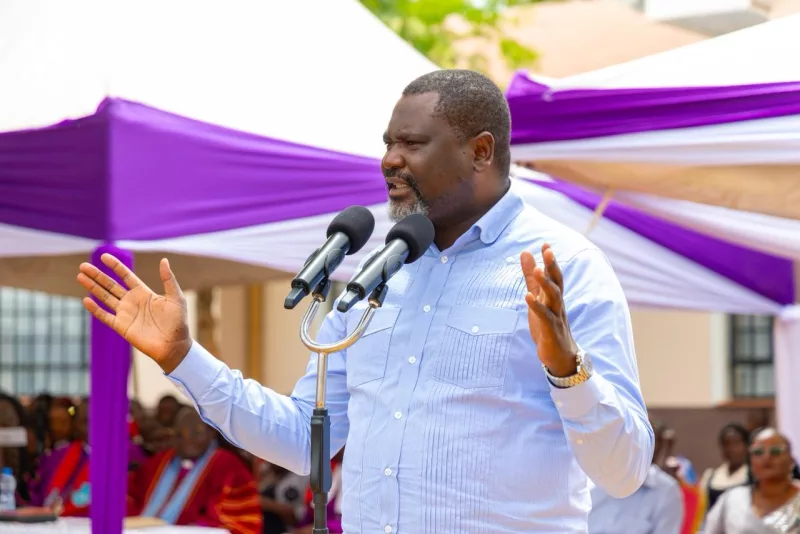
Speaking
during a women's empowerment event in Nyando, Kisumu county, on Saturday, Oburu dismissed criticism that he was not effectively engaging the ruling
party despite growing expectations that ODM and UDA will contest the next
election on a joint ticket.
"Some
people are asking why Oburu is still quiet. Why is he not starting negotiations
with Ruto's government? Why is he too slow?" he said.
"I'm
not too slow. The election is next year in August. We still have more than one
year to go. If we try to make a coalition arrangement too early, we are going
to give our opponent some clue of what we want to do."
The
ODM leader said premature negotiations would expose the coalition's strategy,
allowing political rivals to counter it before campaigns gather momentum.
"We
are not going to give them that opportunity. We are not going to give them the
privilege of making known our intentions too early.
“But in any
case, we are going to make it before the end of the year. We are going to make
sure before the end of the year, we will agree," he said.
His
remarks come amid sustained speculation over an emerging ODM-UDA alliance that
is expected to shape the 2027 presidential race.
Although
both parties have indicated they are preparing to appoint negotiating teams,
formal talks have yet to begin, fuelling
uncertainty over the structure of the proposed coalition and the sharing of key
positions.
ODM
has increasingly thrown its weight behind Ruto's reelection bid, but mixed
signals remain over who would occupy the deputy president's slot if the
coalition succeeds.
The President has repeatedly endorsed
Deputy President Kithure Kindiki as his preferred running mate, a position that
could complicate negotiations with ODM leaders seeking a greater stake in the
coalition.
Several
senior ODM figures, including Cabinet Secretaries Wycliffe Oparanya (Cooperatives) and Hassan Joho (Mining), as well as Homa Bay Governor
Gladys Wanga, have been mentioned in political circles as possible contenders
for the deputy president position, although none has publicly declared an
interest.
Political
observers say the timing of coalition negotiations could determine how smoothly
the two parties manage internal competition while keeping rival political
formations guessing.
Oburu
also used the event to rally ODM supporters to register as voters, saying the
party's bargaining power in coalition talks would depend on the strength of its
electoral support.
"ODM
members gave me the honour of being their leader. I cannot mislead you. I will
only take you to where there is honey," he said.
He
urged eligible voters, particularly young people who have attained voting age,
to acquire national identity cards and register with the electoral commission.
"You
have heard (Interior Principal Secretary Raymond) Omollo say
there are one million people who have attained the age for taking voters' cards
but are yet to do so," Oburu said.
"As
your leader, the biggest strength I have is your votes. That is what is giving
me power."
He
argued that coalition negotiations are ultimately driven by political numbers
rather than rhetoric.
"When
we go for negotiations, we can only get goodies when we deliver enough votes
and elective seats," he said.
Oburu
said ODM was rolling out grassroots mobilisation efforts beginning with its
traditional support base in Nyanza before expanding to other regions.
"I
am starting this journey with you. You are my base. When I go for this fight, I
must start with you."
He
further urged residents to obtain national identity cards, saying the
government had introduced measures to speed up processing.
"We
have put in place plans. If you apply for an ID today, you get it within six
days," he said.
INSTANT
ANALYSIS
The
remarks signal ODM's strategy of strengthening its grassroots support ahead of
coalition bargaining, with the party seeking to enter negotiations from a
position of electoral strength. Analysts say Oburu's insistence on delaying
formal talks suggests ODM is keen to maximise its leverage while avoiding
premature political commitments that could trigger internal divisions or give
opponents time to reorganise before the 2027 contest.

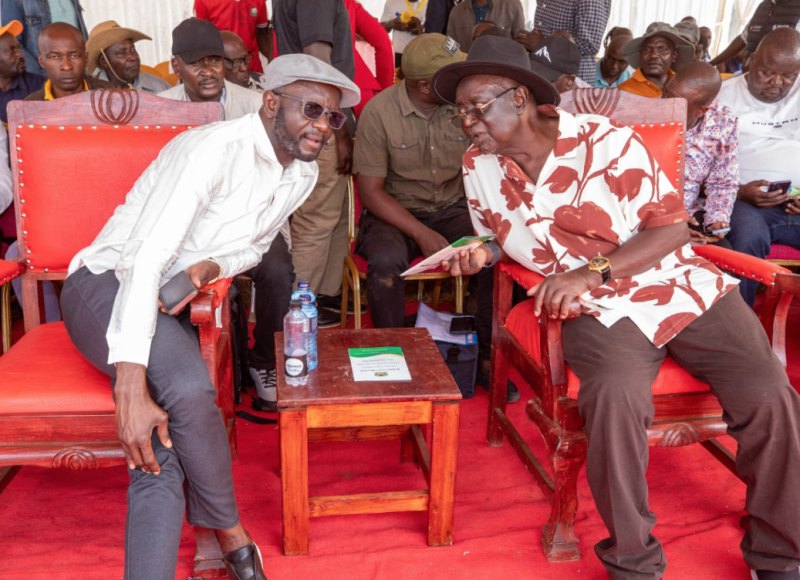
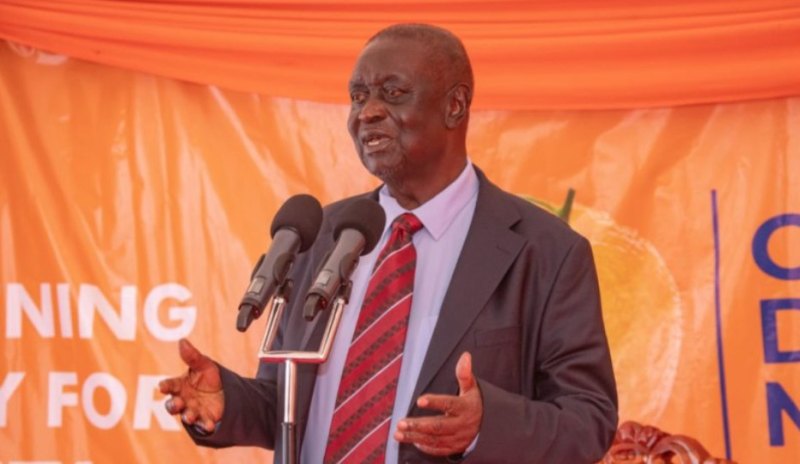
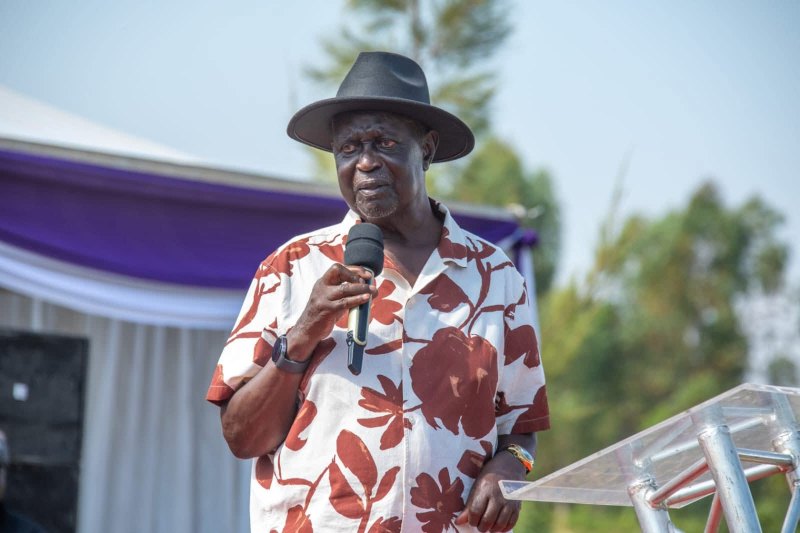
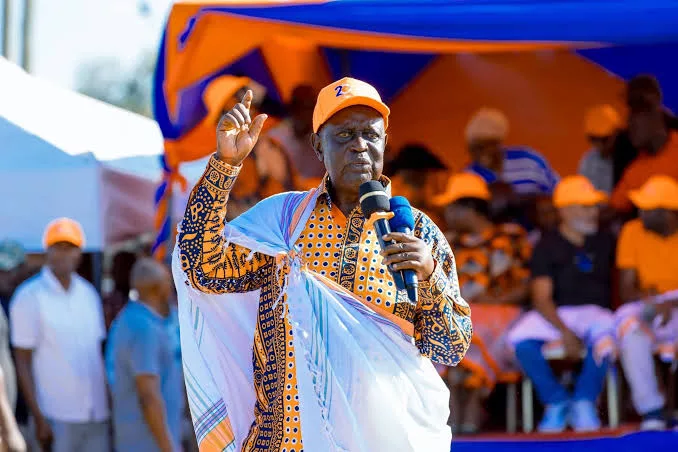
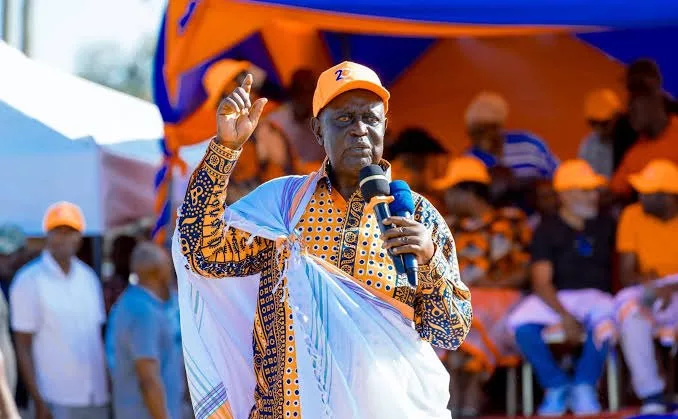 ODM leader Oburu Oginga /HANDOUT