KENYA stands at a pivotal moment in its
agricultural development as the debate over genetically modified organisms
enters its second decade.
While scientists present compelling evidence of
GMOs' potential to address chronic food insecurity, deep public skepticism
persists amid ongoing legal battles and health concerns.
With climate change exacerbating hunger and
arable land shrinking, the nation faces a critical decision that could reshape
its food future.
SCIENCE
BEHIND GMOS
At its core, genetic
modification involves precisely altering an organism's DNA to introduce
beneficial traits like pest resistance or drought tolerance. Modern techniques
have evolved far beyond traditional breeding methods, with scientists now using
three primary approaches: direct DNA insertion through microscopic particles,
bacterial carriers to transfer genetic material, and the revolutionary CRISPR
gene-editing technology that allows pinpoint accuracy in genetic alterations.
These methods have been used globally to
develop crops like pest-resistant maize, drought-tolerant soybeans, and
disease-resistant cassava. In Kenya, genetically modified maize has been a
focal point due to its role as a staple food.
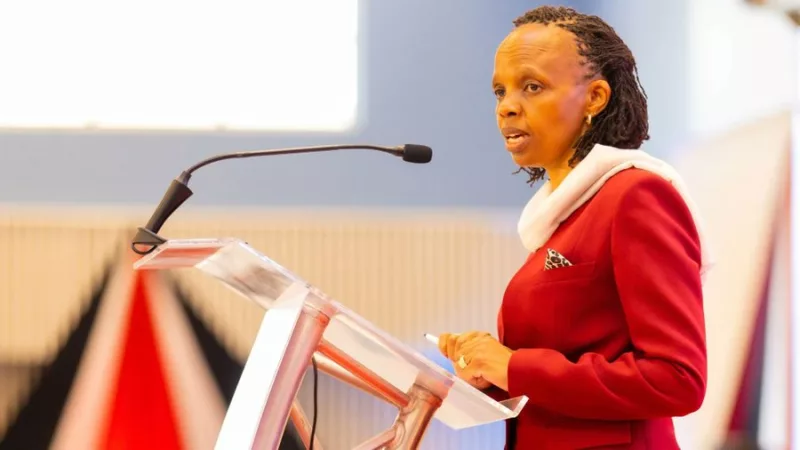
a leading genetics expert at the National Defence University,
emphasises the exhaustive safety protocols governing GMO development.
"While creating a biotech crop might take relatively little time, the
nearly 20 years of mandatory safety testing that follows represents our commitment
to public health," she said.
These rigorous evaluations
examine impacts on humans, animals, and ecosystems, with each country
conducting independent assessments. The result is an extensive global safety
database dating back to the first commercial GMO crops in 1994.
"After decades of
worldwide consumption, we've observed no adverse health effects across
generations of consumers," Muigai said. She added that future biotech
crops will not only produce higher yields but address emerging challenges:
"The possibilities are endless, depending on breeders' objectives."
CASE
FOR GMOS
Kenya’s food security challenges are stark.
According to the
2022 Global Food Security Index,
the country scores just 53 per cent, reflecting vulnerabilities driven by
poverty, climate change, and limited agricultural land. With the population
growing at two per cent annually and arable land remaining stagnant at 27.6
million hectares for over a decade, the pressure to boost food production is
immense.
Proponents argue that GMOs could help bridge
this gap. For instance, Bt maize, engineered to resist the destructive fall armyworm, could reduce
crop losses and increase yields. Similarly, Bt
cotton, approved for
commercialisation in 2019, has shown promise in combating the African bollworm,
a major pest in cotton farming.
“We cannot increase the land available, so the
only way forward is to enhance crop productivity through science. GMOs have
been rigorously tested for decades, and the evidence shows they are safe,” Muigai
said.
LEGAL
BATTLES, PUBLIC RESISTANCE
Despite scientific endorsements, Kenya’s GMO
journey has been fraught with legal and political hurdles. In 2012, the
government imposed a ban on GMO imports following a controversial (and later debunked) study linking GMO maize to cancer
in rats.
Although research continued, public distrust
grew, fueled by concerns over corporate control, environmental risks, and
potential trade disruptions with GMO-averse markets like the European Union
In 2022, the government lifted the ban, but
the decision was swiftly challenged in court. The Law Society of Kenya and Kenyan Peasants
League argued that the move
lacked sufficient public participation and risked health and environmental
safety. In 2023, the Court
of Appeal upheld a ruling blocking the lifting of the ban, citing inadequate stakeholder engagement.
REGIONAL
AND GLOBAL PERSPECTIVES
Globally, GMO adoption varies widely. The
United States, Brazil, and Argentina are among the largest producers of GM
crops, while the European Union maintains strict regulations. In Africa, South
Africa leads in GMO cultivation, having commercialised GM maize as early as
1996.
Efforts to harmonise GMO policies in East
Africa have stalled. The East African Community and Comesa drafted
regional biosafety frameworks, but adoption has
been slow due to differing national regulations. Kenya and Uganda have
progressed with national biosafety laws, while others remain hesitant. This lack of harmonisation continues to pose challenges,
particularly for cross-border trade and regional food policy alignment.
TRUST
DEFICIT
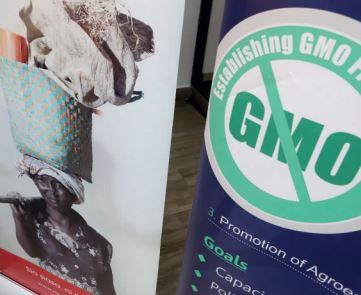
Despite assurances from scientists, public
skepticism persists. A GeoPoll
survey found that 37 per
cent of Kenyans are extremely concerned about consuming GMO foods, while only
eight per cent have no reservations.
Anne Maina, national coordinator of the Biodiversity and
Biosafety Association of Kenya, warns of corporate
monopolies over seeds. “The
Seed and Plant Varieties Act restricts farmers
from sharing or selling uncertified seeds, putting control in the hands of big
agribusinesses. If corporations control seeds, they control food.”
Misinformation has further muddied the waters.
A study by the Alliance
for Science found that 40 per cent
of media articles on GMOs contained misinformation, compared to just one per
cent with accurate pro-GMO information.
Prof Muigai says when the public is given the
right information, they’re better able to make informed choices on whether they
will buy biotech food or not. But when the fear is fueled by falsehoods, people
are denied that choice.
CHARTING
THE FUTURE
As Kenya stands at this
agricultural crossroads, the path forward demands a multi-faceted approach
grounded in both scientific rigor and social responsibility.
First, the nation must invest
in comprehensive grassroots education programmes that bring clear, accurate
information about biotechnology directly to farming communities and consumers.
These initiatives should demystify the science while creating spaces for
meaningful dialogue about legitimate concerns.
Simultaneously, Kenya needs to
strengthen its biosafety monitoring systems, ensuring they remain independent,
transparent, and capable of rigorous long-term evaluation. Such systems would
provide the evidence-based reassurance the public deserves while maintaining
scientific standards.
Perhaps most crucially,
policymakers must craft agricultural regulations that walk the delicate line
between protecting farmers' traditional rights to save and exchange seeds while
granting access to potentially beneficial technologies. This balance will be essential
to prevent corporate monopolies while still allowing innovation to flourish.
The stakes extend far beyond
Kenya's borders. As climate change accelerates across Africa, the decisions
Kenya makes today about GMO adoption will reverberate throughout the
continent's agricultural future. The challenge now is to weigh
the substantial scientific evidence through truly inclusive policymaking - one
that considers laboratory data alongside farmer wisdom, that balances immediate
needs with long-term sustainability, and that ultimately positions Kenya as
both a cautious and courageous leader in agricultural innovation.
This article was
produced as part of the Aftershocks Data Fellowship (22-23) with support from
the Africa Women’s Journalism Project (AWJP) in partnership with The ONE
Campaign and the International Center for Journalists (ICFJ).