Once
considered an occasional meal, rice is increasingly becoming a daily staple,
especially among urban families and young people seeking cheaper, faster and
more preferred food options.
The
recent fuel price hike has further pushed up the cost of basic commodities,
leaving many families with little money to spend on food and other essential
needs. To cope, households are shifting to meals that are quicker to prepare,
consume less cooking energy and are relatively pocket-friendly.
Rice is
now steadily finding its way onto many Kenyan dining tables, particularly in
urban areas.
Timothy
Njagi, a food security expert said rice consumption in Kenya has grown
significantly over the years and now exceeds one million tonnes annually.
He
attributed the growing preference for rice to unstable maize flour prices,
increased imports of cheaper Asian and Pakistani rice, and changing consumer
preferences, especially among urban residents.
“Rice
has become more accessible due to cheaper imports and changing lifestyles. Many
urban consumers are looking for foods that are quick to prepare and
affordable,” Njagi said.
A spot
check by the Star in several supermarkets in Nairobi found that a kilo of maize
meal retails at between Sh70 and Sh100, depending on the brand and outlet,
while imported long-grain and premium rice retails at between Sh110 and Sh180
per kilo.
Although
rice may sometimes appear more expensive than maize flour at purchase, Njagi said
it is cheaper in the long run because it cooks faster and uses less fuel.
The rise
in rice consumption is also being driven by urbanisation and changing eating
habits among younger consumers.
“Ugali
and wheat-based meals can be time-consuming to prepare, and some people are
also reducing their consumption for health reasons,” he said.
“Rice
can be cooked in many different ways such as pilau, biryani and vegetable rice,
making it more appealing as a balanced meal. The availability of rice cookers
has also made preparation easier.”
Njagi
noted that rice is now Kenya’s second most preferred staple after maize,
followed by wheat.
He said local
production for wheat has been declining over the years, forcing the country to
rely heavily on imports, and that disruptions in traditional wheat import
markets such as Russia and Ukraine have also affected supply and increased
costs.
“Kenya
is now increasingly sourcing wheat from countries such as Argentina at a higher
cost,” Njagi said.
Dr Ruth
Musila, director at the Kenya Agricultural and Livestock Research Organisation
(KALRO) Mwea Centre, said in an earlier interview with the Star that rice
consumption in Kenya has more than doubled over the past decade.
“Rice is
slowly overtaking ugali in many Kenyan households. This shift is largely driven
by the youth, who prefer rice because of its quick cooking time and
versatility,” Musila said.
Per capita rice consumption in Kenya increased from 12 kilogrammes
in 2016 to 28 kilogrammes in 2022.
Rice is
now considered the third most important staple crop after maize and wheat.
However, Kenya still imports nearly 80 per cent of the rice consumed locally
due to low domestic production.
In 2024
alone, the country’s rice import bill stood at Sh67.9 billion.
“This
over-reliance on imports exposes the country to price volatility, foreign
exchange pressure and food insecurity,” Musila warned.
For
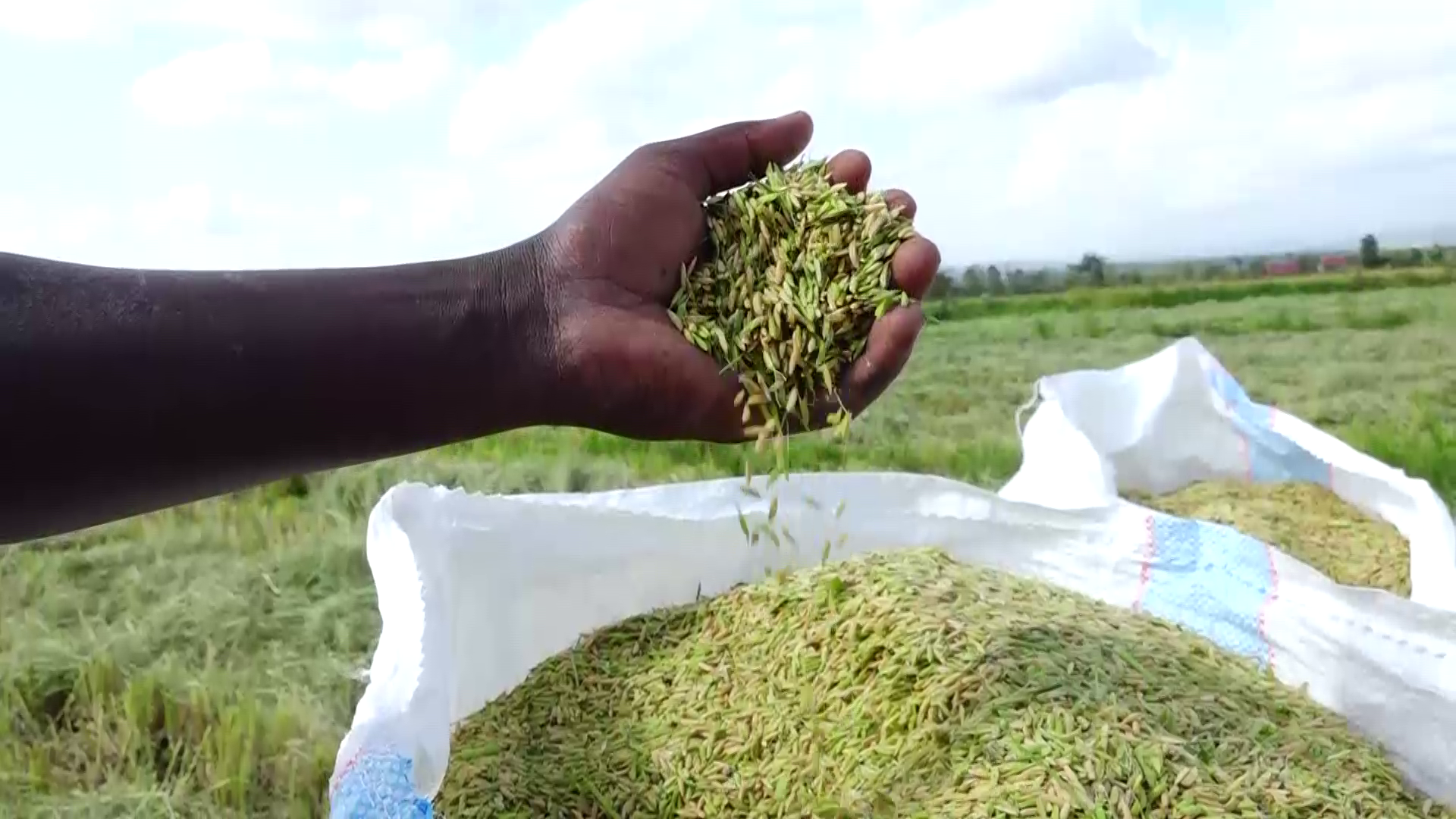
farmers, the rising appetite for rice has created new business opportunities.
Hilary
Murimi, a rice farmer from Mwea, says he has witnessed the growing demand
firsthand since he ventured into rice farming in 1996 after inheriting land and
farming knowledge from his parents.
“When I
started farming rice, a kilo was selling for less than Sh50. Today, it can go
for as much as Sh150. Having rice in your house today is like having gold. You
can call traders at night, they send money immediately through mobile phone
transfer, and collect the rice the following day,” Murimi said.
He said the
increasing demand has also encouraged farmers to adopt modern technologies to
improve production and reduce post-harvest losses.
“We
previously harvested manually, which caused huge losses, and we would burn the
rice straw afterwards. Today, modern harvesters have helped reduce losses, save
time and even create value from rice straw through composting or selling it.,”
he said.
Health
experts said the shift towards rice consumption should still be accompanied by
balanced nutrition.
Gladys
Mugambi, head of the Division of Health Promotion and Education at the Ministry
of Health, confirmed that rice consumption has increased steadily over the
years.
She said rice, maize and wheat are all major carbohydrate sources and, when
consumed excessively, can contribute to increased fat accumulation in the body.
“Most
grains consumed today are highly processed. During processing, important
nutrients such as B vitamins are removed, yet these vitamins are essential in
helping the body utilise starch properly,” Mugambi said.
She
encouraged Kenyans to embrace wholesome and balanced meals alongside rice,
ugali and wheat products.
The
Economic Survey 2026 shows that Kenya imported 785,930 tonnes of rice in 2025
at a cost of Sh55.11 billion, making rice one of the country’s most expensive
food imports. For the first time, Kenya spent more money importing rice than
unmilled wheat.
According
to KALRO, Kenya’s annual rice production ranges between 230,000 and 300,000 tonnes, against a national demand of more than one million tonnes
per year.
Demand
for rice continues to grow rapidly due to population growth and changing
dietary preferences. As a result, imports account for between 80 and 88 per
cent of the rice consumed in the country, with most imports coming from Asia
and Tanzania.
Rice
production in Kenya is mainly concentrated in the Mwea Irrigation Scheme in
Kirinyaga county, which contributes about 80 per cent of the country’s locally
produced rice.
The
remaining 20 per cent comes from smaller irrigation schemes across the country,
including Ahero in Kisumu county, West Kano in Kisumu, Bunyala in Busia, Bura
and Tana irrigation schemes in Tana River county, as well as the Lower Kuja
irrigation scheme in Migori county.
Researchers
at KALRO say improved seed varieties could help bridge the production gap and
reduce dependence on imports.
Sammy
Kagito, a senior research scientist and agronomist at KALRO Mwea Centre, said improved
rice varieties are critical in strengthening food security and increasing
farmers’ incomes.
“With
improved seed varieties, farmers can produce more food for their families while
also earning income from a ready market,” he said.