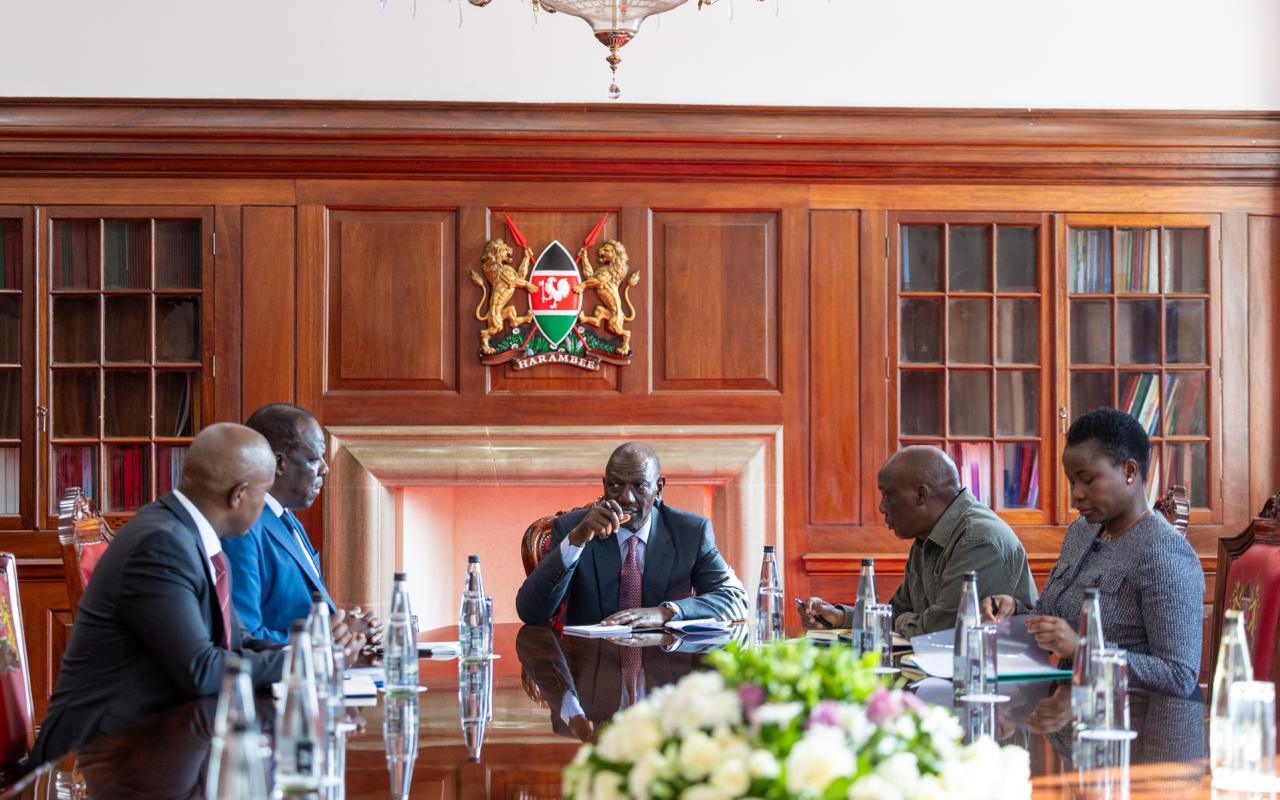


 Former Deputy President Rigathi Gachagua/X
Former Deputy President Rigathi Gachagua has backed the High Court decision to suspend the establishment and operationalisation of any Ebola-related facility in Kenya under arrangements involving the United States or any other foreign government or agency.
In a statement on X, Gachagua praised the Judiciary for what he described as its continued role in safeguarding constitutionalism and protecting the public interest.
He said the courts must remain firm in checking excesses, while commending the ruling halting the proposed Ebola-related arrangements pending the hearing and determination of the case before the court.
“The Judiciary must at all times remain steady as the last line of defence in saving the Kenyan public from the excesses,” he said, while welcoming the conservatory orders issued by the High Court.
The former Deputy President also commended Kenyan health professionals and the public who have spoken against the reported plans.
He said their concerns reflected wider anxieties surrounding public health, transparency, and national preparedness in handling highly infectious diseases such as Ebola.
"I commend the people of Kenya, especially our Health Professionals, for boldly speaking out," he stated.
Gachagua criticised the reported arrangement.
The remarks come amid heightened scepticism from sections of the medical community, civil society organisations, and political leaders.
Earlier, the Kenya Medical Practitioners, Pharmacists, and Dentists Union opposed the reported plans and called for transparency, public participation, and disclosure of any agreements relating to the proposed facility.
KMPDU, in a statement, said Kenya risked being turned into what it termed a containment zone for foreign health emergencies.
“We will not sit back and watch Kenya be treated as a containment colony for a lethal pathogen that we did not generate,” the statement read.
KMPDU Secretary-General Dr Davji Bhimji Atellah said the union would mobilise doctors nationwide if the government fails to address staffing shortages in the health sector.
The High Court subsequently issued conservatory orders restraining the government and its agents from establishing, facilitating, or operationalising any Ebola exposure, quarantine, isolation, or treatment facility in Kenya under the contested arrangements pending an inter partes hearing.
The court also barred authorities from admitting into or facilitating the entry into Kenya of persons exposed to or infected with Ebola pursuant to the impugned arrangement until the matter is heard.
The petition challenging the reported plan was filed by Katiba Institute, which argues that the arrangement raises constitutional concerns relating to public participation, accountability, biosafety preparedness, and national sovereignty.
The matter is scheduled for mention on June 2, 2026, for further directions.