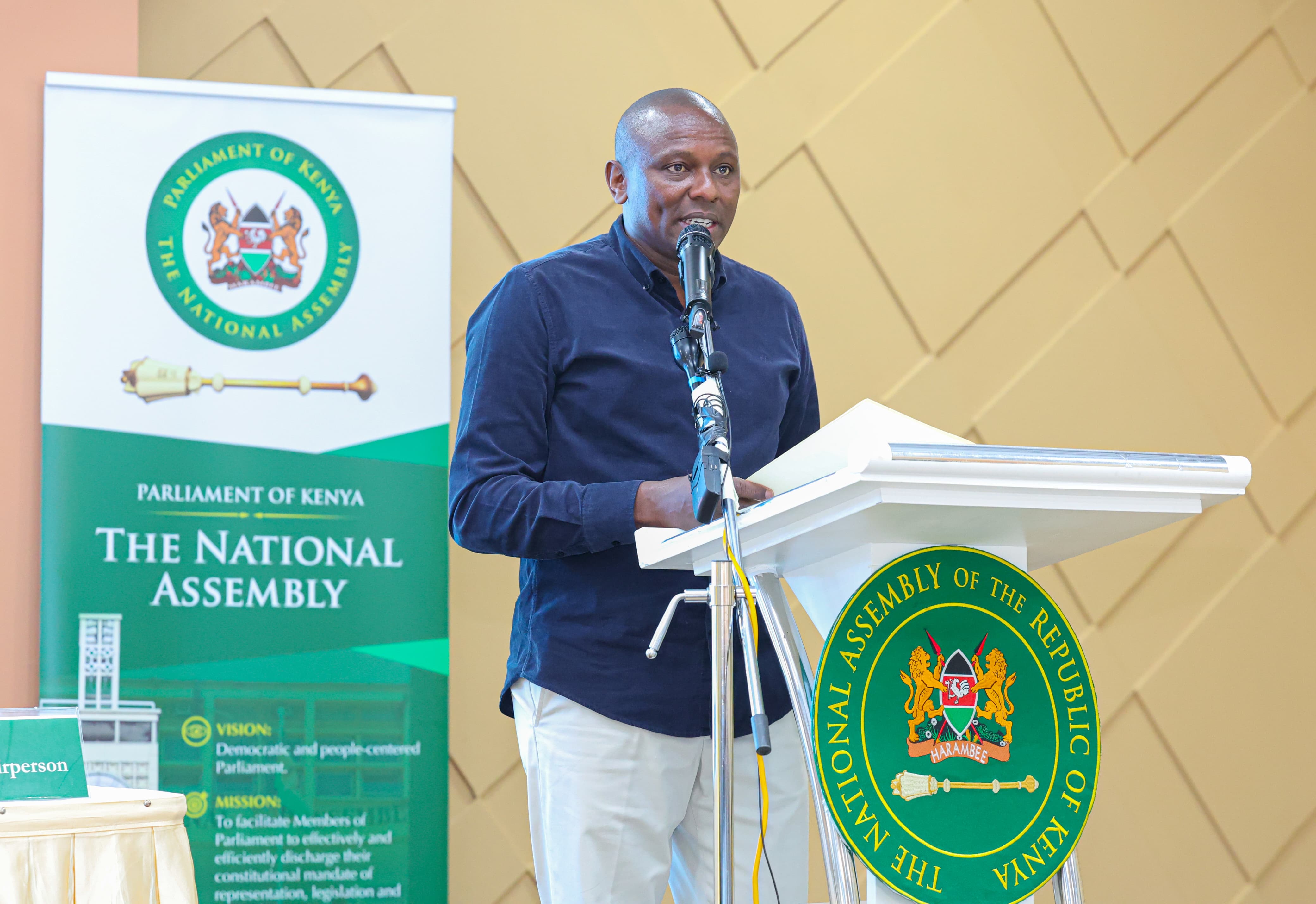
The Alego Usonga MP
Samuel Atandi-led team is raising fresh questions about the sustainability,
transparency and effectiveness of the fund, which has become central to the
country’s fuel price stabilisation efforts.
In its report on the 2026-27 budget estimates tabled in
Parliament, the committee directed the National Treasury to undertake a
comprehensive review of the levy in consultation with the State Department for
Petroleum and submit a report to Parliament by September 30.
The MPs said the review should establish a long-term
framework for managing fuel price fluctuations while strengthening
accountability in the use of the fund.
“This review should include a framework for sustainable fuel
price stabilisation, clear expenditure thresholds, forecasting of fuel price
shocks, and enhanced accountability and reporting mechanisms,” the committee
recommended.
The demand comes at a time when the Petroleum Development
Levy has emerged as one of the most debated charges in the energy sector.
The levy, currently charged at Sh5.40 per litre of fuel, has
increasingly been used to cushion consumers from sharp increases in global oil
prices.
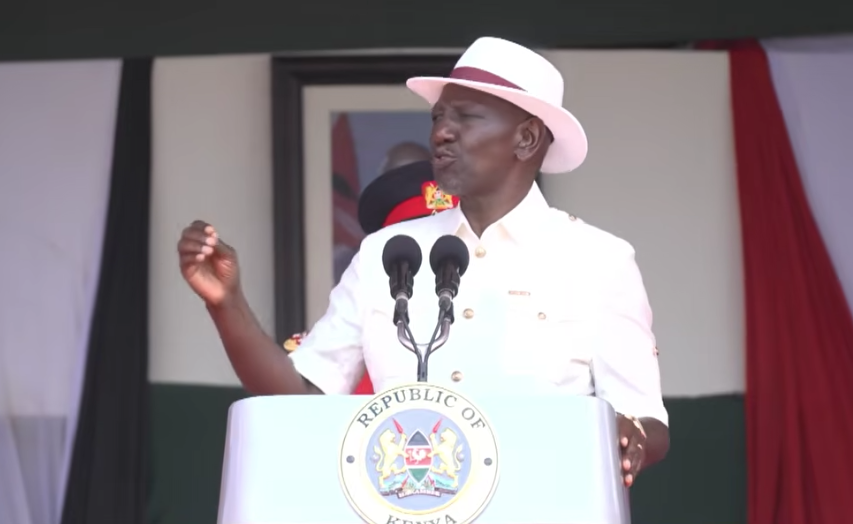
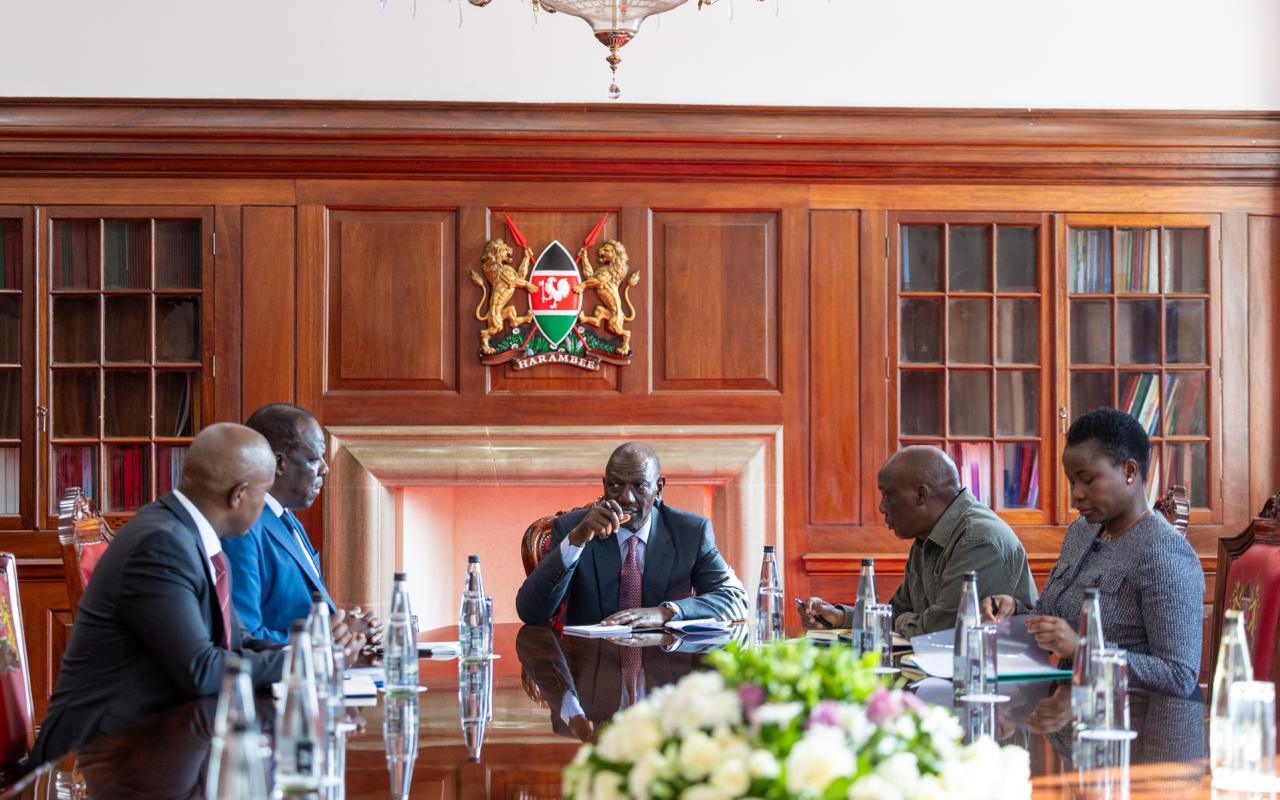
President William Ruto and Energy Cabinet Secretary Opiyo
Wandayi have repeatedly defended the fund, arguing that it has helped shield
households and businesses from severe fuel price shocks that would otherwise
have pushed pump prices significantly higher.
Government officials have also cited the levy as a key
intervention that enabled the country to navigate periods of volatility in the
international oil market without passing the full cost to consumers.
However, lawmakers and industry stakeholders are questioning
whether the fund is being managed effectively and whether motorists are getting
value for the billions of shillings collected annually.
During budget hearings, several MPs raised concerns about
the lack of clarity surrounding the operation of the fund and its relationship
with the government-to-government (G-to-G) fuel import arrangement.
Kisumu Woman Representative Ruth Odinga told the committee
that more scrutiny should be directed at the Petroleum Development Levy rather
than proposals to reduce taxes on fuel.
“It is commendable that we are looking for a solution. I was
thinking we should look at the petroleum levy fund more than the fuel levy. The
PDL is the one we don't have clarity on,” she said.
Kiharu MP Ndindi Nyoro echoed the concerns, saying while
resources are needed for road maintenance and other infrastructure programmes,
Parliament should closely examine the Petroleum Development Levy because it is
the primary source of funding for fuel stabilisation.
“PDL is where fuel stabilisation comes from and is what we
are looking at, hence my proposals for more allocation to subsidy,” Nyoro said.
He also backed calls for a review of the G-to-G import
arrangement.
“For G2G, I share the opinion that we should open the field
because it is one of the things making our fuel expensive,” he added.
The committee’s concerns are reinforced by findings
contained in the latest audit report by Auditor-General Nancy Gathungu on the
Petroleum Development Fund.
According to the audit, the fund collected Sh25.92 billion
during the 2024-25 financial year against a target of Sh30.54 billion,
resulting in an under-collection of Sh4.62 billion, or 15 per cent of the
budgeted revenue.
At the same time, the fund spent Sh26.08 billion, exceeding
its actual receipts by Sh167.8 million.
Gathungu warned that the shortfall in collections could have
affected planned activities and negatively impacted service delivery.
The audit also flagged the fund’s continued deficit
position. The Petroleum Development Fund recorded a deficit of Sh167.8 million
during the year, although this was an improvement from the Sh606.1 million
deficit reported in the previous financial year.
The deficit reduced the fund’s accumulated surplus from
Sh2.99 billion at the start of the year to Sh2.82 billion by June 30, 2025.
“The deficit trend, if not contained, will continue to
deplete the reserves of the Fund to a point where the Fund may not be able to
finance its operations and meet its financial obligations as and when they fall
due,” the Auditor General cautioned.
The parliamentary committee’s review is expected to
determine whether the current structure of the Petroleum Development Levy
remains adequate to support fuel stabilisation while maintaining the fund’s
financial health.
The recommendations could also shape future reforms in the
fuel pricing regime as the government seeks to balance consumer protection,
fiscal sustainability and energy security amid persistent volatility in global
oil markets.