The move comes amid growing public concern over the decision, even as the US moved to pump Sh1.7 billion into Kenya’s ebola preparedness efforts.
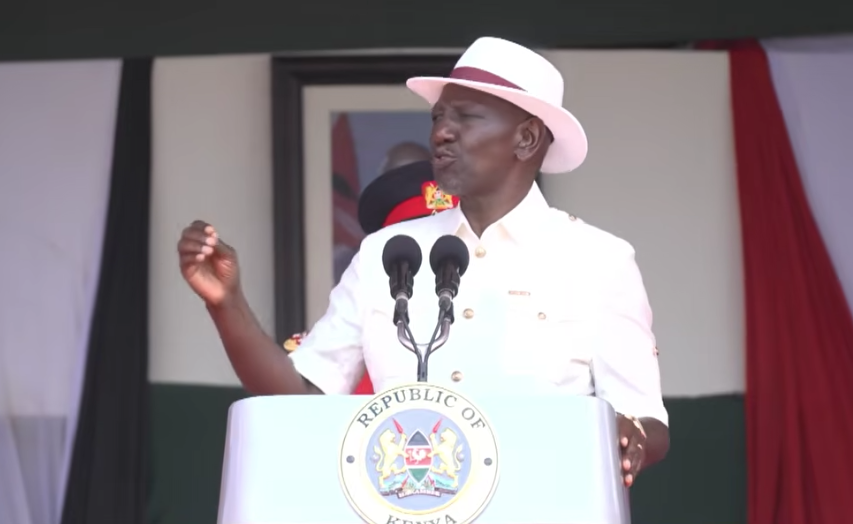
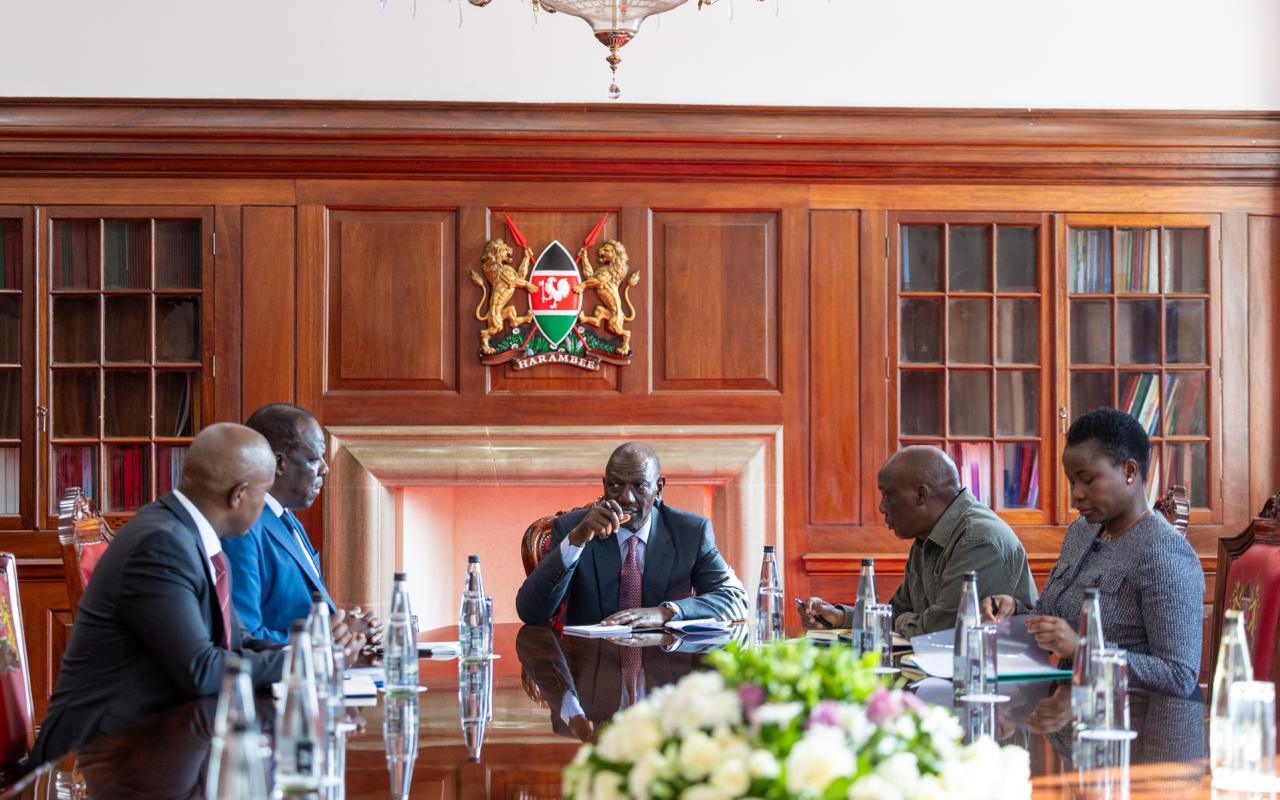
President William Ruto on Thursday held a phone conversation with US Secretary of State Marco Rubio on the issue.
The two leaders discussed Kenya’s preparedness efforts amid the ongoing ebola outbreak and broader cooperation on public health response measures.
The funding is expected to support surveillance, emergency response systems, health infrastructure and the acquisition of critical medical equipment and supplies.
In a letter addressed to the CS, the National Assembly’s Health Committee has directed Duale to appear before it on Tuesday next week.
The committee, chaired by Seme MP James Nyikal, wants the minister to apprise MPs of the move and explain what measures the ministry has put in place to manage the virus.
Duale is further expected to brief the committee about the deal between the two countries and offer any other relevant information regarding the outbreak.
“The purpose of this letter is to invite you to a meeting with the committee to provide a comprehensive briefing on Kenya’s preparedness to manage the virus, details regarding the aforementioned agreement, if any, with the US government,” the invitation letter seen by the Star reads.
“The committee considers the matter urgent given its potential implications on the lives of citizens.”
The summons follows Kenya's approval of a US request to set up a quarantine facility for Americans exposed to the ebola Bundibugyo virus, even as the WHO announced its widespread transmission.
The US government has given Kenya $13.5 million (Sh1.7 billion) for ebola preparedness efforts.
A press statement indicated that Rubio held a call with President Ruto on the matter.
“The Secretary and President Ruto discussed coordinated efforts to secure vital medical supplies for Kenya and ensure the strength and preparedness of Kenya’s health system,” the statement said.
Though details of the agreement have not been publicly disclosed, details have emerged that the isolation and treatment facility shall be set up at Laikipia Airbase in Nanyuki.
According to the White House, the facility in Kenya to receive Americans exposed to ebola is to be built, staffed and run entirely by Americans.
No Kenyan public health officers will be involved in the establishment and running of the facility.
The facility is being built near existing British military training grounds in the county, according to the report.
The conversation came at a time concerns have intensified over East Africa’s readiness to contain a possible cross-border spread of ebola, a highly infectious disease that has historically posed serious threats to public health systems across the continent.
The statement further indicated President Ruto and Rubio agreed to maintain close coordination as the situation evolves, underscoring the need for continued cooperation between the two countries in managing public health threats.
“The two leaders agreed to maintain close coordination as the situation evolves and to continue leveraging the strong US-Kenya health partnership that has proven essential in addressing public health challenges in Kenya and across East Africa,” the statement added.
Kenya and the US have maintained a longstanding partnership in the health sector, particularly in areas such as HIV-Aids treatment, pandemic response, disease surveillance and vaccine support.
The relationship gained renewed prominence during the Covid-19 pandemic, when the two countries collaborated on emergency health interventions and medical support.
Rubio’s remarks also appeared to underscore Washington’s strategic interest in ensuring ebola does not spread beyond the region and eventually reach American territory.
“The United States’ highest priority remains protecting the health and security of the American people by working to prevent the ebola outbreak from reaching our shores,” the statement said.
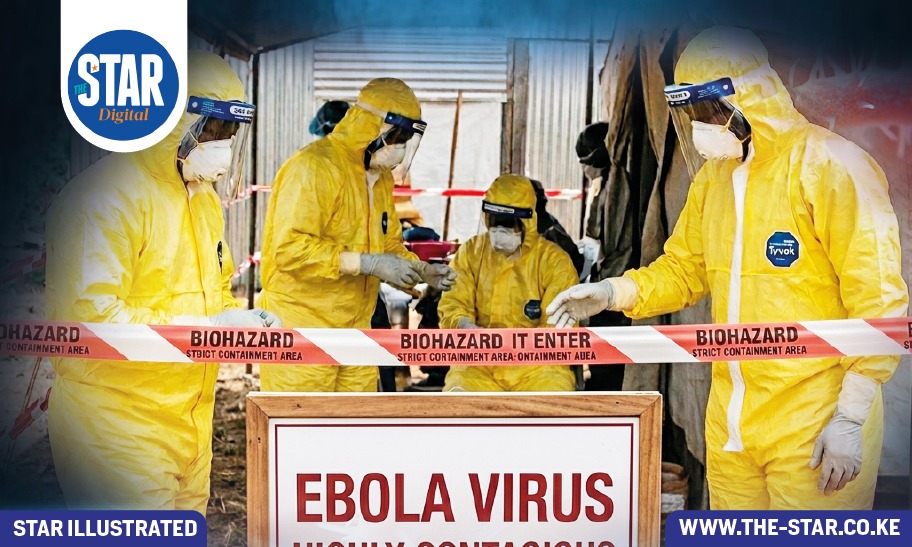
Health experts have warned that early preparedness, surveillance, public awareness and rapid response mechanisms remain critical in preventing large-scale outbreaks of ebola, which has a high fatality rate.
The disease spreads through contact with infected bodily fluids.