The new strategy, being championed by a camp allied to ODM leader Oburu Oginga, seeks to strengthen grassroots structures, reassure aspirants of fair nominations and restore unity in regions considered the party's political bedrock.
This even as the party assures supporters that it is addressing long-standing concerns that have previously weakened its electoral machinery.
Also part of the plan is to reduce the infighting that characterised the post-Raila succession debate and forge a united front for the Orange party.
In the coming weeks, senior party leaders will step up grassroots engagements and recruitment drives aimed at popularising the outfit across the country.
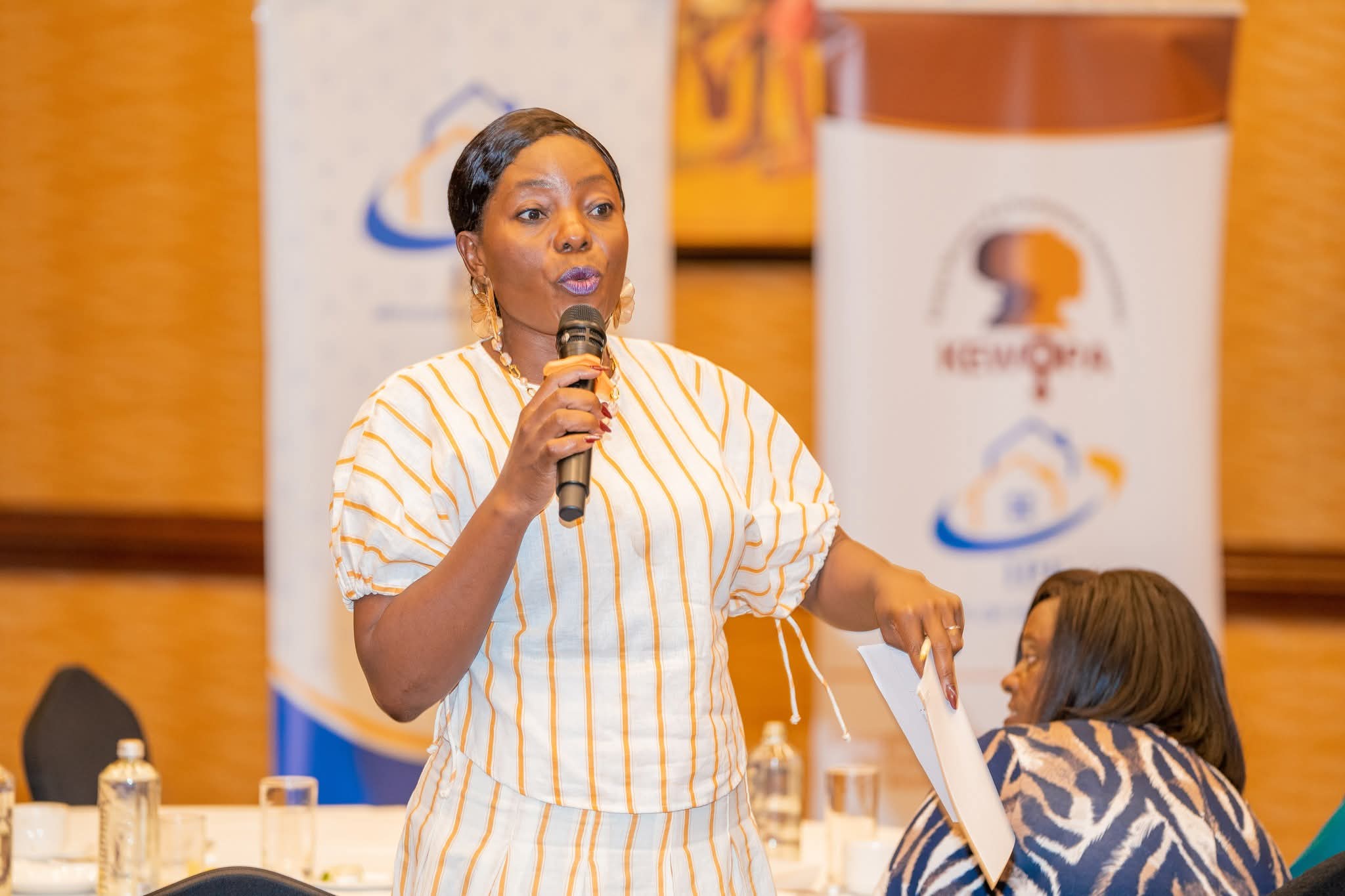
“We have a number of activities lined up to activate our bases. Soon the Central Committee will meet and give the schedule of places we shall be visiting,” ODM national chairperson Gladys Wanga told the Star by phone.
Particular attention is being given to the party’s traditional strongholds, where concerns have emerged over voter enthusiasm and the growing influence of rival political movements.
Some of the areas the party seeks to tour include its traditional Western base, Turkana and Narok, following the successful rally in Kisumu.
The move comes amid growing concerns within ODM that prolonged succession politics and factional competition could erode the party’s dominance in key counties.
According to party insiders, ODM's immediate priority is to retain and expand its support base rather than engage in factional contests that have in recent months generated divisions among members and supporters.
“We created a movement called Linda Ground to consolidate our bases, but some people came and instead of thinking about their own movement, they came to this Linda movement and created confusion,” Wanga said.
She warned aspirants against producing campaign materials that could create the impression of factions within the party.
“When you do your posters and campaign materials, let them remain ODM. The colour is orange. We do not want confusion,” she said.
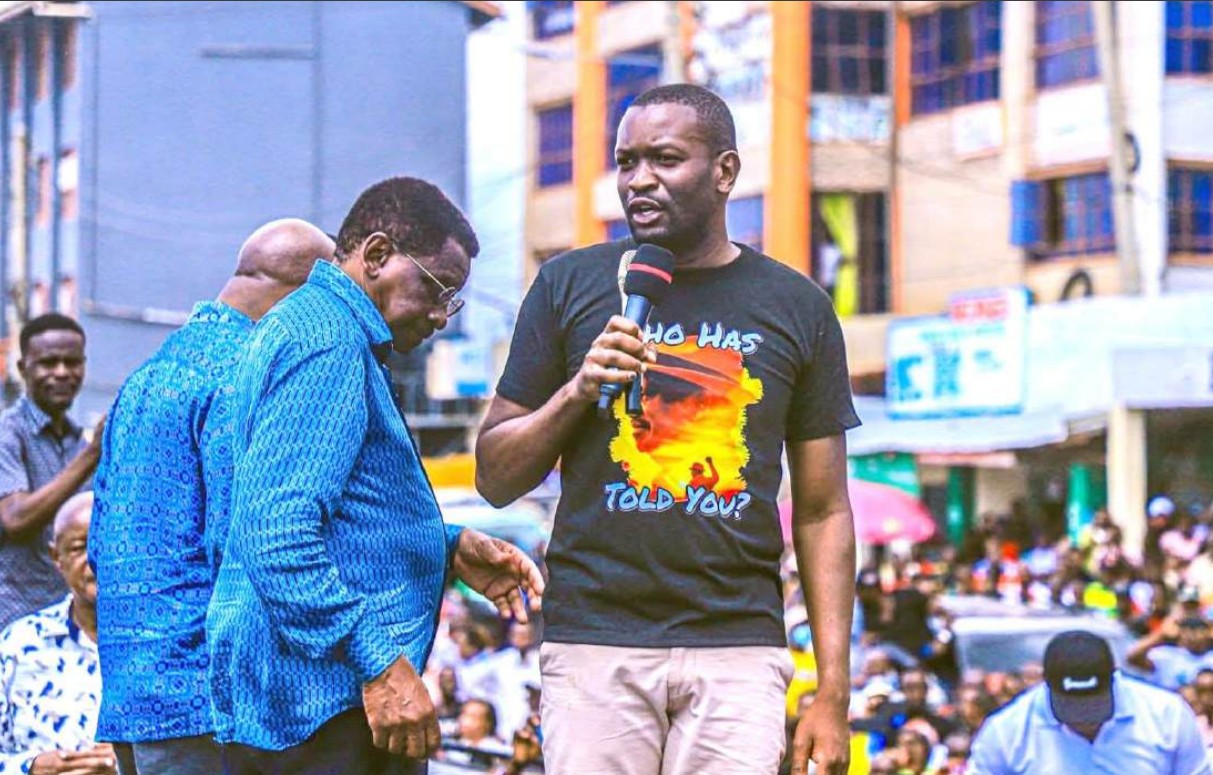
The move is meant to calm tensions generated by competing political formations within its support base following the emergence of a rival faction, Linda Mwananchi, led by embattled secretary general Edwin Sifuna and Siaya Governor James Orengo.
Observers view the shift as an acknowledgment that ODM faces a more competitive political environment heading into 2027 and cannot afford the luxury of internal wars.
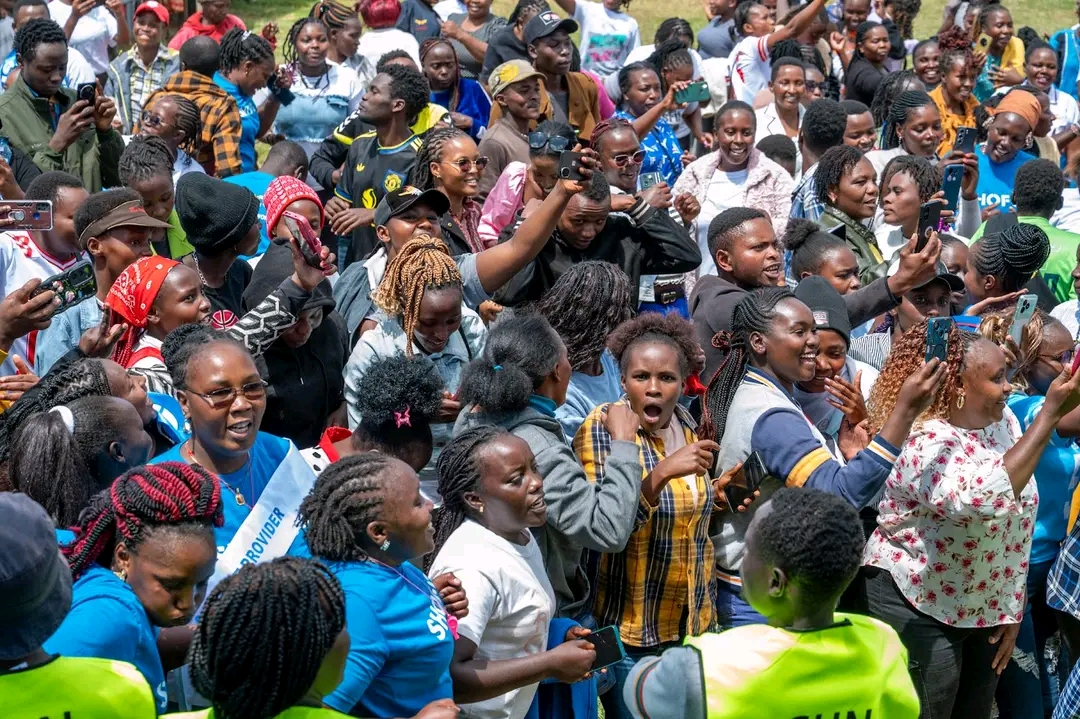
As part of the consolidation strategy, the outfit last week held a major rally in Kisumu bringing together supporters from the four counties of Luo Nyanza — Kisumu, Siaya, Homa Bay and Migori.
During the well-attended rally, the region resolved to engage any political party through ODM.
“The people of this region are one indivisible and united people and any engagement, present and future, can only be through their party, ODM,” one of the resolutions from the Kisumu meeting read.
Sources within ODM indicate that the leadership has resolved to discourage activities that fuel internal divisions, insisting that all mobilisation efforts should be conducted through official party structures.
The party has also dropped its confrontational approach to politics and is increasingly focused on dialogue as a means of addressing challenges affecting Kenyans.
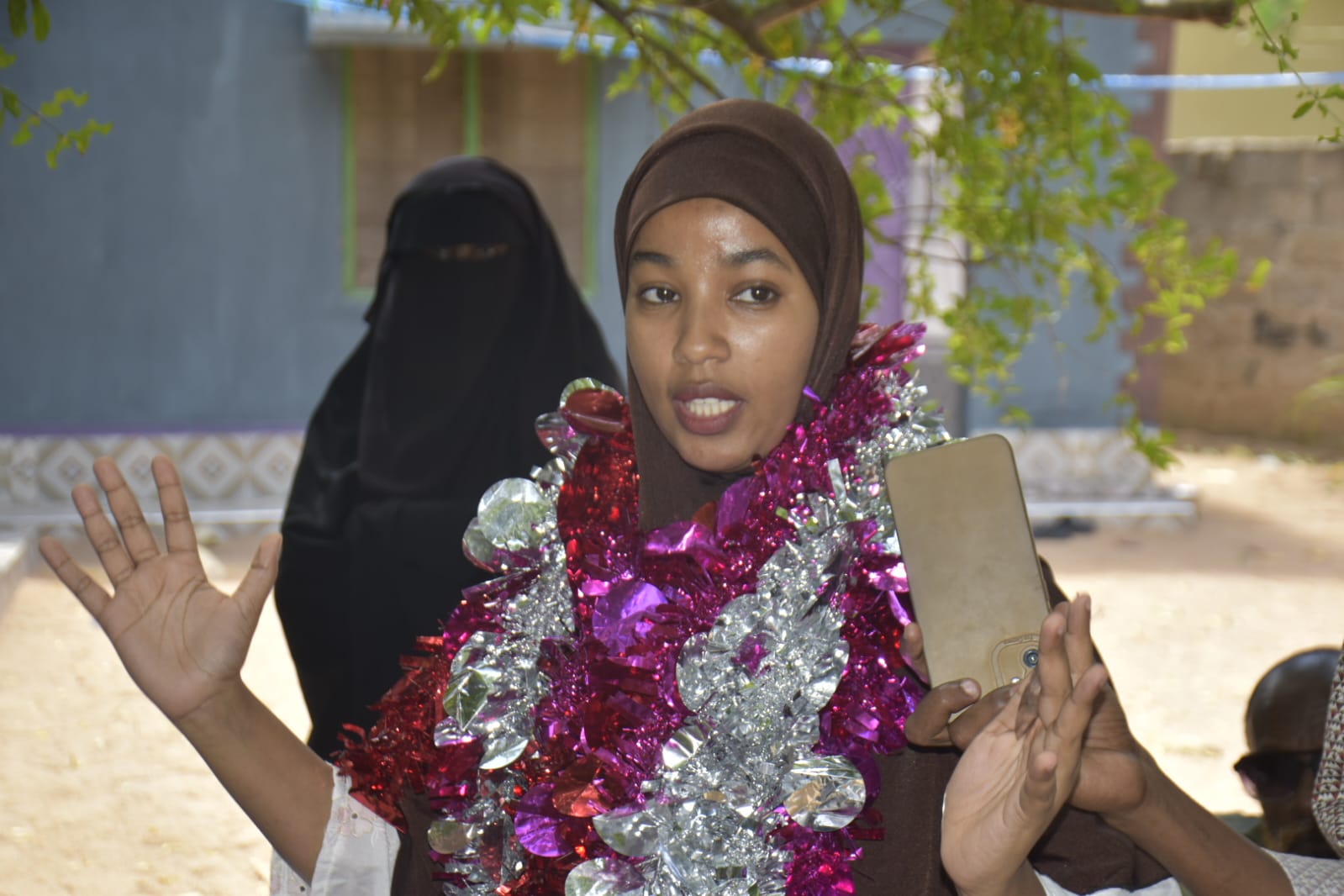
In a recent interview, acting secretary general Catherine Omanyo said the party has transitioned from a protest-driven political approach to a more governance-focused and solutions-oriented strategy aimed at addressing national challenges through practical engagement.
Omanyo acknowledged that while street demonstrations had previously played a role in Kenya’s democratic space, the party has since reassessed its approach.
“Sometimes I miss those moments. But for how long will you be going to the streets, but you are not thinking of solutions?” she said, adding that the party had moved away from constant protests.
During the recent protests, the party’s strongholds remained largely peaceful, with normal activities continuing uninterrupted.
Also central to the new approach is a commitment to reform the party's nomination processes, which have historically triggered disputes, defections and voter apathy.
Several ODM aspirants who lost nominations in previous elections have complained of irregularities, favouritism and lack of transparency, accusations that often resulted in independent candidacies that split the party vote.
The recent opposition to zoning proposals within ODM has been fuelled by fears of bungled nominations that have characterised past primaries.
Party leaders now say lessons have been learned and that preparations are underway to ensure a more credible and acceptable nomination process.
The Star has learnt that the Oburu team is considering benchmarking exercises with regional political parties to improve ODM’s electoral processes.
According to Wanga, the party is considering dispatching members of its National Elections and Coordinating Committee (NECC) to South Africa to study the African National Congress nomination model.
“Our electoral body is looking at various models, including that of ANC of South Africa. The idea is for our party to improve on its processes and give confidence to our members that the nominations will be free and fair,” Wanga said.
“We task the National Elections and Coordinating Committee to devise enhanced and fail-proof mechanisms for conducting free, fair, transparent and credible party nominations for all elective positions.”
Oburu has repeatedly assured aspirants that ODM will not have favourites in the coming primaries and that all seats will be subjected to a nomination process.
“Nobody should be worried that some of their rivals are my friends. We shall have everyone go through free and fair nominations and nobody will be given a direct ticket,” Oburu said.
The party has also embarked on aspirants’ consultative forums across its strongholds to address concerns and assure members of credible nominations.
Last month, the Siaya senator chaired a consultative meeting with aspirants from four Nyanza counties as part of ODM’s preparations for 2027.
Similar meetings are expected to be rolled out across the country.
On May 12, ODM opened applications for members seeking party nominations, including those eyeing the presidential ticket.
In a notice released by NECC, the party announced that applications are open for aspirants seeking elective positions on its ticket, ranging from president, governor, sen.ator and county woman representative to member of the National Assembly and member of county assembly.