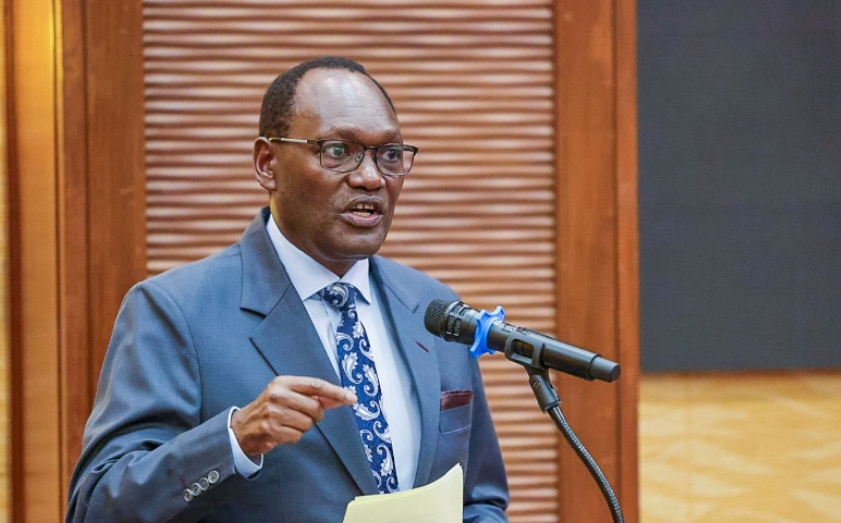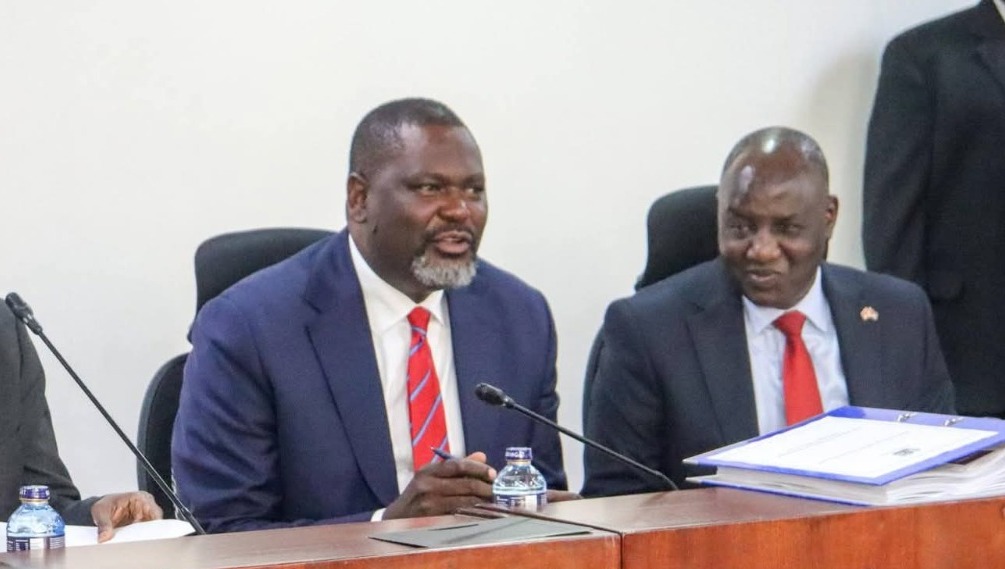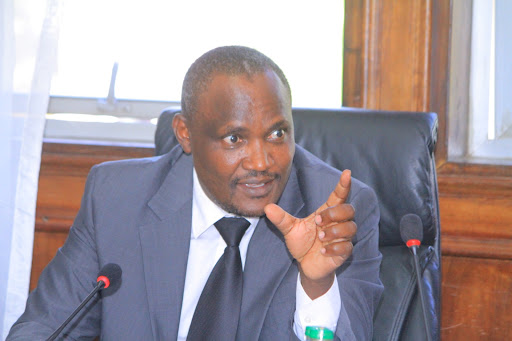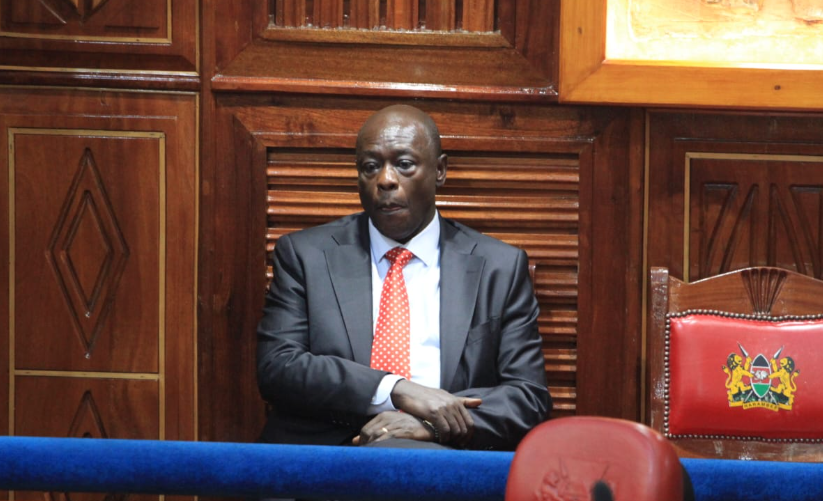


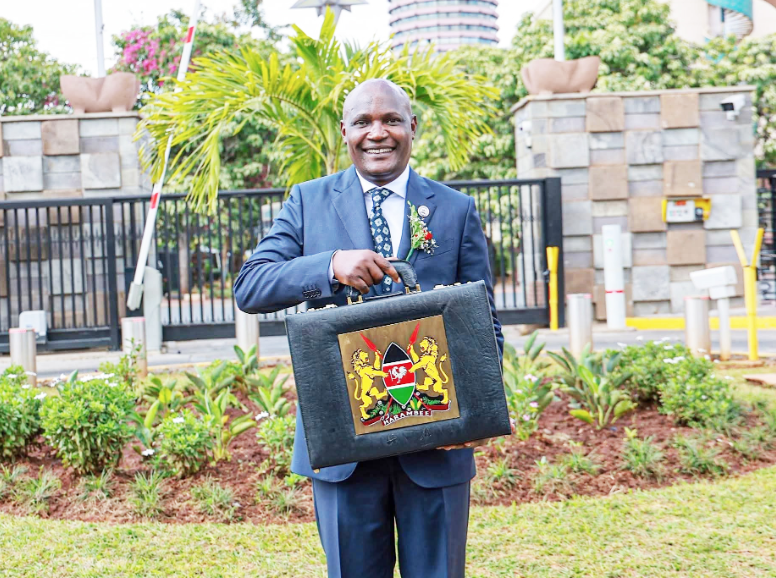
 National Treasury Cabinet Secretary John Mbadi when he presented the 2025/2026 national budget/SCREENGRAB
All eyes are on National Treasury Cabinet Secretary John Mbadi as he presents the 2026/2027 national budget, unveiling a record Sh4.84 trillion spending plan aimed at stimulating economic growth, creating jobs and supporting key sectors of the economy.
The budget comes at a time when many Kenyans are grappling with the high cost of living, unemployment and rising prices of basic commodities, making the fiscal blueprint one of the most anticipated policy statements of the year.
According to Treasury projections, the government expects to raise Sh3.67 trillion in revenue, comprising Sh2.9 trillion in ordinary revenue collections, Sh644 billion in Appropriations in Aid and Sh44 billion in grants.
However, the spending plan will leave a budget deficit of approximately Sh1.2 trillion, which the government intends to finance through a combination of domestic and external borrowing.
Treasury officials say domestic borrowing will account for nearly Sh1 trillion of the deficit financing, while external borrowing is projected at Sh148 billion.
The government also plans to address pending bills estimated at Sh83 billion in a move aimed at improving liquidity in the market and boosting business activity.
The budget focuses on critical sectors such as education, infrastructure and economic empowerment programmes, with the government hoping the investments will accelerate economic growth and create employment opportunities, particularly for young people.
However, the administration faces the difficult task of balancing ambitious spending plans with the need for fiscal discipline as concerns over Kenya's growing public debt continue to dominate public discourse.
The budget presentation coincides with similar fiscal announcements in neighbouring Uganda and Tanzania, where governments are expected to outline strategies for shielding their economies from global economic uncertainties, including cost shocks associated with the ongoing conflict in the Middle East.
Meanwhile, Kenya's opposition leaders have unveiled what they call the “People’s Budget,” offering an alternative vision for the country’s economic future.
The opposition framework proposes a Sh4.32 trillion expenditure plan and seeks to reduce the fiscal deficit to Sh593.5 billion, equivalent to 2.8 per cent of Gross Domestic Product, significantly lower than the government's projected 5.3 per cent.
Speaking during the launch of the proposal, Wiper Party leader Kalonzo Musyoka criticised the country's growing debt burden, describing it as “generational slavery” that would force future generations to repay loans they did not participate in acquiring.
The opposition also questioned the government's allocation of Sh1.5 trillion towards debt servicing and pensions, arguing that the resources could be better directed towards social and economic programmes.
Among the key proposals in the People’s Budget are increased funding for education and healthcare, restoration of programmes such as Linda Mama and Edu Afya, and the establishment of an Sh80 billion youth employment initiative.
The coalition is also advocating for the abolition of the Affordable Housing Levy and the removal of taxes on mobile money transactions and mobile phones.
Additionally, opposition leaders have proposed reducing expenditure at State House and the National Intelligence Service and redirecting the savings to irrigation projects aimed at strengthening food security.