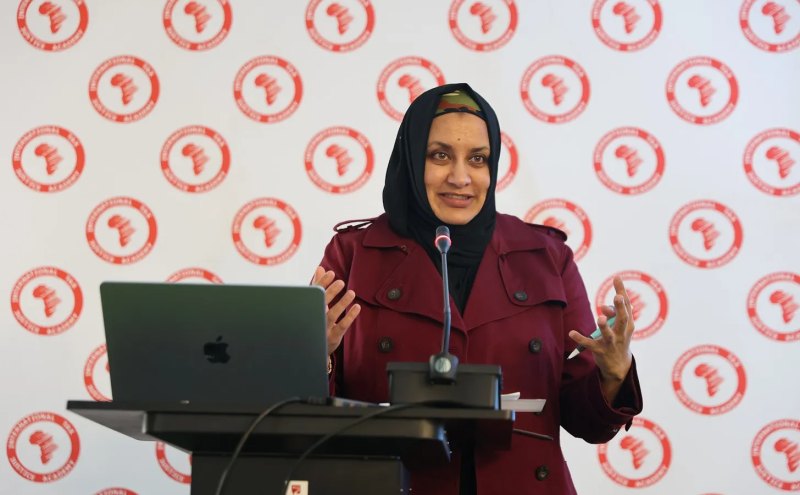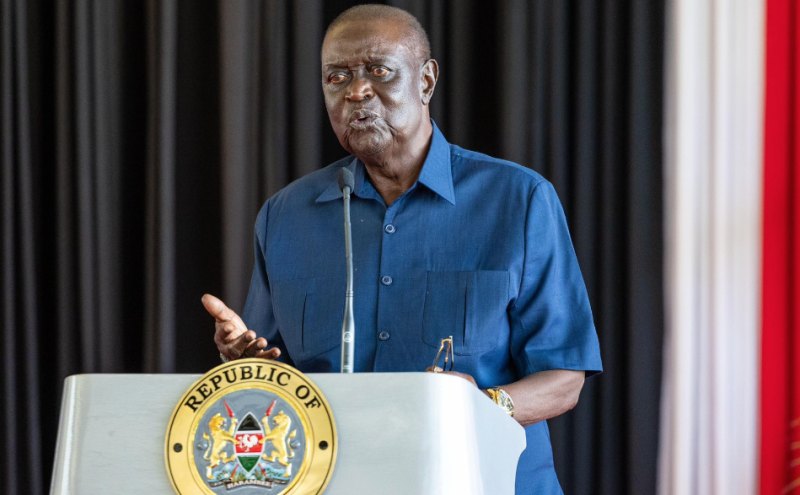


 Health and Professional Standards PS Mary Muthoni. /MARY MUTHONI/X
Kenya remains at high risk of an Ebola outbreak despite having no confirmed cases, the government has warned, citing increased movement of people between the country and neighbouring nations currently battling the virus.
Public Health Principal Secretary Mary Muthoni said Kenya is maintaining heightened surveillance and preparedness measures as outbreaks continue to be reported in the Democratic Republic of Congo (DRC) and Uganda.
PS Muthoni noted that the DRC has recorded 635 Ebola cases while Uganda has reported 18 cases, increasing the risk of cross-border transmission.
"We must maintain absolute vigilance regarding the Ebola virus disease with immense strength because Kenya remains at high risk or on high alert for the Ebola virus disease due to the extensive population movement with DRC and Uganda," she said.
The PS, however, assured Kenyans that no Ebola case has been reported in the country so far. She emphasised that the Ministry of Health has activated measures aimed at ensuring any suspected case is detected and contained swiftly.
"While Kenya currently has zero cases, our rapid response teams must remain fully mobilised," Muthoni said.
The warning comes amid growing concern across the East African region over the potential spread of the highly infectious disease, which is transmitted through direct contact with the bodily fluids of an infected person or contaminated materials.
Health officials have heightened surveillance at points of entry, including airports and border crossings, while emergency response teams remain on standby to investigate and respond to any suspected infections.
Muthoni urged healthcare workers and Kenyans to remain alert and promptly report any suspected symptoms, stressing that preparedness remains the country's strongest defence against a potential outbreak.
The government says it will continue monitoring the regional situation closely while strengthening disease surveillance systems to safeguard the country from the threat posed by Ebola.
Ebola is a rare but severe illness caused by a virus that affects humans and other primates. According to the World Health Organisation, the disease is often fatal if not treated early.
Ebola spreads through direct contact with the blood, bodily fluids, or contaminated surfaces linked to an infected person or animal.
Symptoms usually appear suddenly and may include fever, fatigue, headache, sore throat, muscle pain, vomiting, diarrhoea and, in some cases, internal or external bleeding.
The incubation period ranges from two to 21 days. As the WHO says, the average fatality rate for Ebola is about 50%, although it has varied in past outbreaks.
The disease was first identified in 1976 near the Ebola River in the Democratic Republic of Congo.