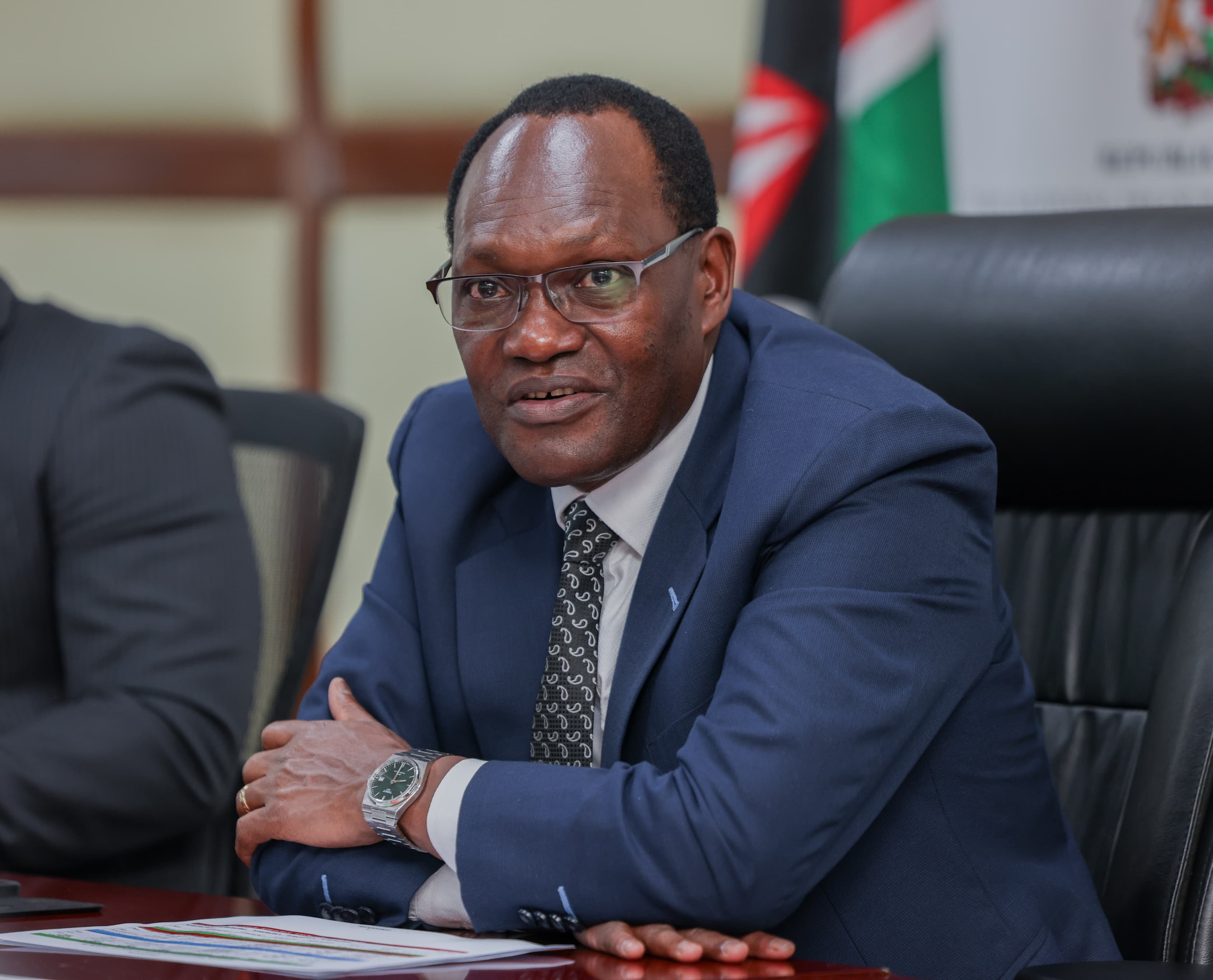


Ethics and Anti-Corruption Commission (EACC) chairperson David Oginde has called on African anti-graft agencies to embrace artificial intelligence, blockchain technology and stronger cross-border cooperation to combat increasingly sophisticated corruption schemes and illicit financial flows.
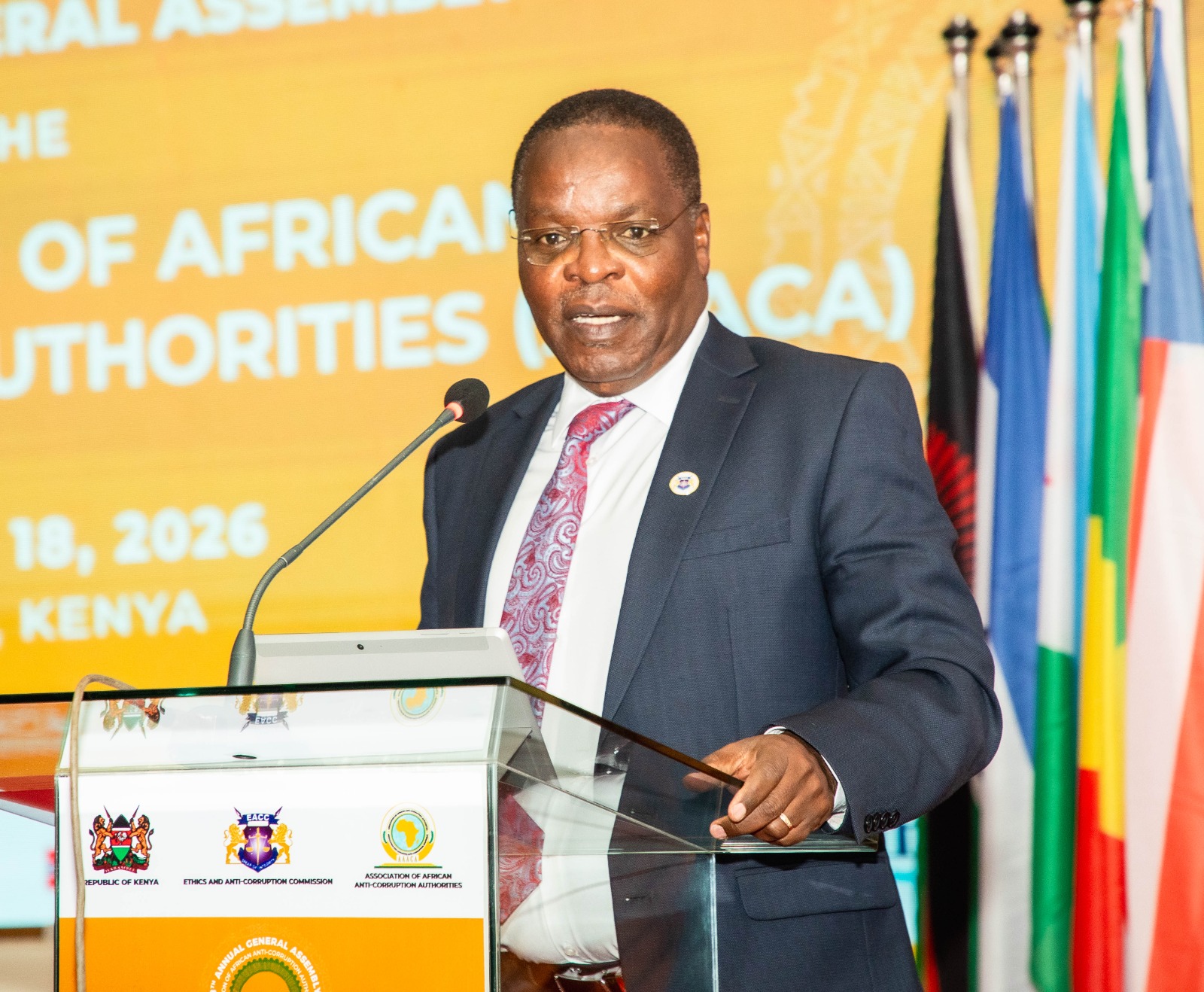
Speaking during the 8th Annual General Assembly of the Association of Anti-Corruption Authorities in Africa (AAACA) and the launch of the Centre for Anti-Corruption Studies and Research in Africa (CEREAC) in Nairobi on Wednesday, Oginde said corruption has evolved beyond national borders and now requires innovative, coordinated responses.
He said anti-corruption institutions across the continent are operating at a defining moment marked by a youthful population, rapid digital transformation and growing demands for accountability and good governance.
“Corruption undermines all the efforts aimed at realising a prosperous continent since it hinders economic growth, discourages foreign investment, significantly reduces the resources for infrastructure, public services, and destroys the very fabric of good governance,” Oginde said.
The EACC chair noted that despite years of anti-corruption efforts across Africa, corruption remains persistent and increasingly sophisticated.
“For too long, Anti-Corruption Authorities in Africa have taken steps towards tackling corruption and illicit financial flows; however, the challenges persist. Corruption is now more sophisticated, and criminals are more emboldened,” he said.
Oginde said African anti-corruption agencies must strengthen regional and continental cooperation, arguing that illicit financial flows move across jurisdictions with ease.
“The corrupt individuals of today do not respect national borders. They move illicit funds across jurisdictions with the click of a button, exploiting complex financial webs,” he said.
“If the corrupt can cooperate across borders so seamlessly, our anti-corruption agencies must associate and cooperate even faster.”
He called for stronger frameworks on asset tracing, intelligence sharing and mutual legal assistance to ensure stolen wealth does not find safe havens across the continent.
The EACC chair also urged agencies to embrace emerging technologies to stay ahead of increasingly digital forms of corruption.
“To defeat digitally enabled graft, we must out-innovate the corrupt,” Oginde said.
He noted that technologies such as artificial intelligence and blockchain could support real-time detection of corruption and illicit financial flows while enabling faster sharing of information among institutions.
“Through the use of AI and blockchain, anti-corruption authorities can use integrated systems to enable real-time detection and investigations of corruption and illicit financial flows,” he said.
Oginde further called for African-led research to develop anti-corruption strategies tailored to the continent’s unique realities.
He said one-size-fits-all approaches have often failed to address the complexities of corruption in Africa.
“We need Africa-tailored strategies and African solutions,” he said.
The launch of CEREAC in Nairobi is expected to support this effort by serving as a continental hub for research, capacity building and knowledge sharing on corruption trends and governance.
According to Oginde, the centre will help generate evidence-based interventions and develop African metrics for measuring corruption.
“The establishment of the Anti-Corruption Studies and Research Centre for Africa will bridge the gap and provide the opportunity to interrogate the causes and facilitators of corruption and come up with impactful and actionable strategies to meet African governance realities,” he said.
Oginde urged delegates attending the assembly to make concrete commitments on cross-border asset recovery, joint training programmes and shared technological platforms.
“We owe it to the generations coming after us to build an Africa that thrives on the foundation of transparency, fair play, and absolute integrity,” he said.