State suppliers wait as Nyakang'o warns Sh466bn pending bills hurting economy
Controller of Budget warns that the huge pile of arrears is constraining businesses, delaying projects.
by MOSES OGADA
Audio By Vocalize
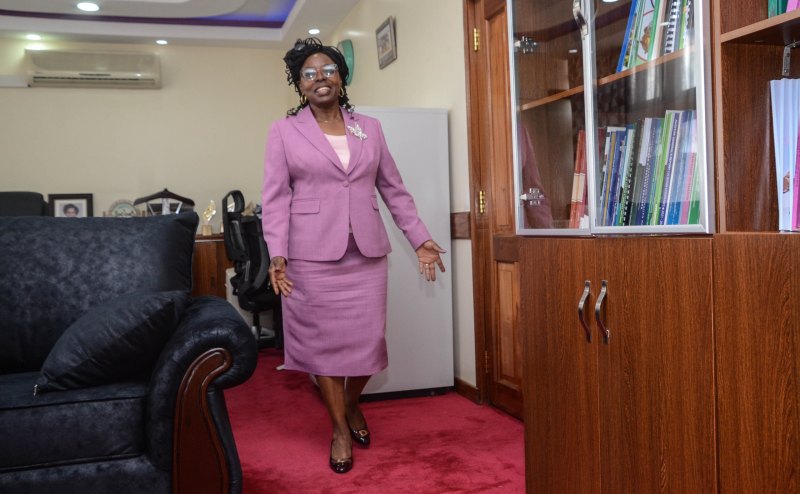
Controller of Budget Margaret Nyakang'o during a past interview.
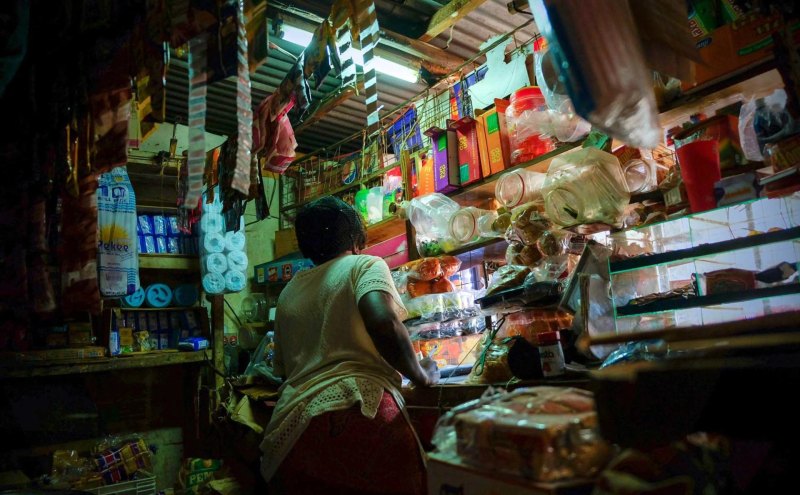
Thousands of suppliers,
contractors and workers are grappling with prolonged payment delays despite an
ongoing Treasury-led verification and settlement programme for pending bills.
A review by Controller of Budget Margaret Nyakang'o shows
the stock of unpaid obligations not only remains one of the biggest threats to
budget implementation, but is also hurting the economy.
In the review covering the first
nine months of the current spending period, Nyakango revealed that the national government's
pending bills stood at Sh465.9 billion by the end of March.
The review established that ministries, departments,
agencies and semi-autonomous government agencies continue to accumulate unpaid
bills even as the government seeks to restore fiscal discipline.
The Controller of Budget warns that the huge pile of arrears is
constraining businesses, delaying projects and undermining confidence among
firms that supply goods and services to government.
As of March 31, 2026, total national government pending
bills stood at Sh465.87 billion, comprising Sh194.71 billion in
development-related obligations and Sh271.16 billion in recurrent expenditure
arrears owed by ministries, departments, agencies and state agencies.
The latest figures emerge even as the government implements
recommendations of the Pending Bills Verification Committee, which scrutinised
claims worth hundreds of billions of shillings and validated a portion for
settlement.
Treasury Cabinet Secretary John Mbadi recently told
Parliament that the committee analysed 91,911 claims valued at Sh637.6 billion
and recommended Sh235.6 billion for payment, with Sh80.3 billion already
settled through securitisation in the roads sector. The remaining verified
balance stands at Sh155.3 billion.
However, Nyakang'o's report suggests the pending bills
challenge remains deeply entrenched across government.
Among ministries and agencies, the biggest debtor was the
National Youth Service under the State Department for Public Service, which
accumulated trade payables of Sh14.27 billion.
It was followed by the former Nairobi Metropolitan Services,
now under the Executive Office of the President, with outstanding obligations
of Sh13.07 billion.
The NMS liabilities continue to haunt the government years
after the agency was wound up, forcing Treasury to allocate additional
resources to settle historical claims.
Other major debtors included the State Department for
Housing and Urban Development (about Sh11.18 billion), the Ministry of Defence
(Sh8.85 billion), the State Department for Roads (Sh6.79 billion), the State
Department for Medical Services (about Sh5.8 billion), the State Department for
Correctional Services (about Sh5.2 billion) and the State Department for
Broadcasting and Telecommunications (about Sh3.5 billion).
The report notes that the largest share of these arrears
relates to unpaid contractors, suppliers and development projects.
During the review period, the Controller of Budget approved withdrawals
to facilitate partial settlement of verified historical pending bills inherited
from the defunct NMS.
The report indicates that although some progress has been
made in reducing arrears, the burden remains substantial.
Further analysis shows pending bills under
ministries and agencies declined only by Sh33.33 billion during the nine-month
period.
These were largely due to payments made and some claims
being declared ineligible after verification.
Of this reduction, Sh20.94 billion related to recurrent
expenditure payments while Sh9.75 billion was paid under development
expenditure.
The bulk of outstanding obligations has been reported in
state corporations, SAGAs and state-owned enterprises.
They consist of contractor and project claims amounting to
Sh168.83 billion, accounting for 45 per cent of all arrears in that category.
Unpaid consumables and general supplies account for another
Sh47.37 billion while employee-related liabilities continue to mount.
Salary arrears stood at Sh40.21 billion, while unpaid
obligations linked to the National Hospital Insurance Fund amount to Sh39.64
billion.
The report shows unpaid PAYE deductions have reached
Sh26.5 billion, while sacco deductions not remitted stand at Sh9.22 billion.
Nyakang'o says such statutory deductions should never
accumulate because they represent mandatory obligations deducted from workers'
salaries.
"Accounting officers should ensure the timely payment
of statutory deductions, as failure to do so is likely to affect staff welfare
and morale," she says.
She notes that settling verified pending bills would
inject much-needed liquidity into the economy, strengthen businesses and
ultimately boost government revenues.
"Payments for development projects will strengthen
businesses' liquidity and increase government tax revenue," Nyakang'o
says in the report tabled in Parliament.
The persistence of pending bills is also being linked to
delayed completion of government projects.
The Budget Controller cites several projects where funding
shortfalls and implementation delays risk generating additional arrears.
In some cases, contractors remain on site despite little or
no funding being released, creating conditions for new payment claims to
accumulate.
Nyakang'o has recommended that verified pending bills be settled
on a first-in, first-out basis and adequately budgeted for in annual and
medium-term expenditure plans to prevent the continued build-up of arrears.
The recommendation reflects growing concern that unless
government clears what it owes suppliers and contractors, the pending bills
burden will continue to choke cash flows in the private sector, slow project
implementation and weaken economic activity.
This is premium content
Subscribe to Continue Reading
Help us continue bringing you unbiased news, in-depth investigations, and diverse perspectives. Your subscription keeps our mission alive and empowers us to provide high-quality, trustworthy journalism. Join us today to make a difference!

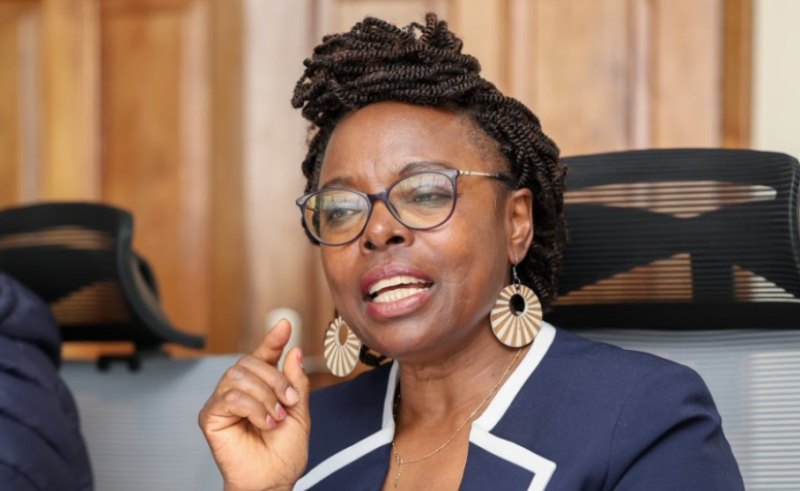 Controller of Budget Margaret Nyakang'o during a past interview.