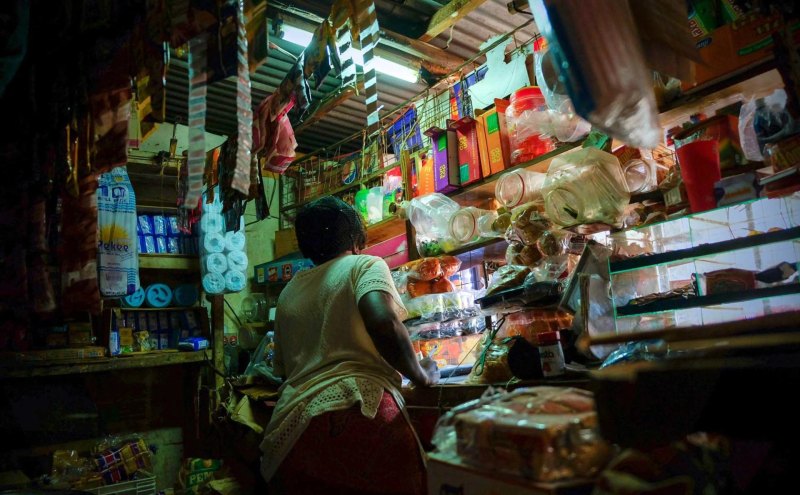




Household budgets are increasingly under strain in Kenya. Millions of young graduates are holding crisp certificates but zero job offers, and middle-class workers are watching their static salaries vaporise under the heat of new statutory deductions.
Under the circumstances, staying happy has become a revolutionary act.
The current economic squeeze is not an isolated Kenyan misfortune. It is a local reflection of a turbulent global arena. Geopolitical shifts continue to batter developing economies, with supply chain disruptions from Eastern Europe and escalating tensions in the Middle East keeping global oil prices volatile. At the same time, major Western central banks have maintained high interest rates to curb their own domestic inflation. This has triggered a massive capital flight from emerging markets, putting sustained pressure on the Kenyan shilling and driving up the cost of importing essential items, machinery and fuel.
Closer home, governance decisions have magnified these international pressures. An aggressive taxation regime designed to service a mountain of public debt has reduced the disposable income of formal sector employees to an all-time low. From the Housing Levy to enhanced health insurance rates, the payslip has been aggressively raided. Meanwhile, the promised digital economy jobs and manufacturing hubs have been slow to materialise, leaving a historic number of youth trapped in underemployment or outright joblessness.
When survival feels like a daily battle, clinical depression and chronic anxiety inevitably rise.
However, mental well-being should not be postponed until the economy behaves or the government delivers on its campaign pledges. Protecting your peace of mind is crucial. Here are 10 practical, low-cost ways to find and maintain happiness in these tough economic times.
1. BUDGET DINING
You do not need to isolate yourself because your wallet is light. Shift from high-cost socialising, like meeting in expensive bars or restaurants, to low-cost alternatives. Organise potluck dinners at home, where everyone brings a simple dish, or gather in public parks. True connection is about the conversation and shared laughter, not the price tag of the venue.
2. AGGRESSIVE BUDGETING
Anxiety thrives on ambiguity. When you do not know exactly where your money is going, every text notification from your bank triggers panic. Sit down and map out a strict budget. Prioritise food, rent and utilities. Seeing your financial reality on paper or a spreadsheet allows you to take control, eliminating the constant dread of the unknown.
3. JOIN A CHAMA
In Kenya, the informal investment groups known as chamas have long been a financial safety net. Beyond pooling money together, look for or create a chama that doubles as an emotional support network. Sharing your struggles with peers who face identical challenges breaks the isolation that often accompanies financial hardship.
4. INVEST IN FITNESS
Financial stress elevates cortisol levels, leading to fatigue and irritability. You do not need an expensive gym subscription to combat this. Jogging through your neighbourhood, doing bodyweight exercises at home or taking long walks in the evening releases endorphins, the body’s natural mood lifters. Physical health directly anchors mental resilience.
5. AVOID BAD NEWS
While staying informed is a civic duty, obsessively tracking every new tax debate, political scandal and global conflict can induce a state of learned helplessness. Set specific windows for reading the news and disconnect for the rest of the day. Protect your mental space from the constant deluge of pessimistic headlines.
6. LEARN NEW SKILLS
Unemployment and underemployment can chip away at your self-esteem, making you feel stagnant. Fight this by dedicating an hour every day to learning something new. Free platforms like YouTube, Coursera and Google Digital Skills offer courses in coding, digital marketing, graphic design and copyediting. Progress breeds optimism.
7. CULTIVATE GRATITUDE
When bills are piling up, it is easy to focus exclusively on what is missing. Counter this cognitive bias by intentionally noting down three things you are grateful for every morning. It could be your health, a supportive sibling or a warm cup of tea. It sounds cliché, but retraining your brain to notice small wins shifts your mindset from scarcity to abundance.
8. DECLUTTER AND MONETISE
A chaotic physical environment often mirrors and worsens a chaotic mind. Take time to declutter your living space. If you have clothes, electronics or books you no longer use, sell them through digital marketplaces or community noticeboards. The process cleanses your space and injects some quick cash into your pocket.
9. BECOME COMMUNITY VOLUNTEER
One of the fastest ways to escape your own worries is to help someone else. Volunteer at a local children’s home, participate in an estate clean-up drive or mentor high school students in your village. Shifting your focus to service provides a deep sense of purpose and puts your personal struggles into perspective.
10. NORMALISE VULNERABILITY
There is a dangerous culture of masking pain behind humour on Kenyan social media. While comedy helps, it cannot replace genuine vulnerability. Speak honestly to close friends or family members about your financial fears. Admitting that you are struggling is not a sign of failure; it breaks down the stigma and allows others to support you emotionally.