

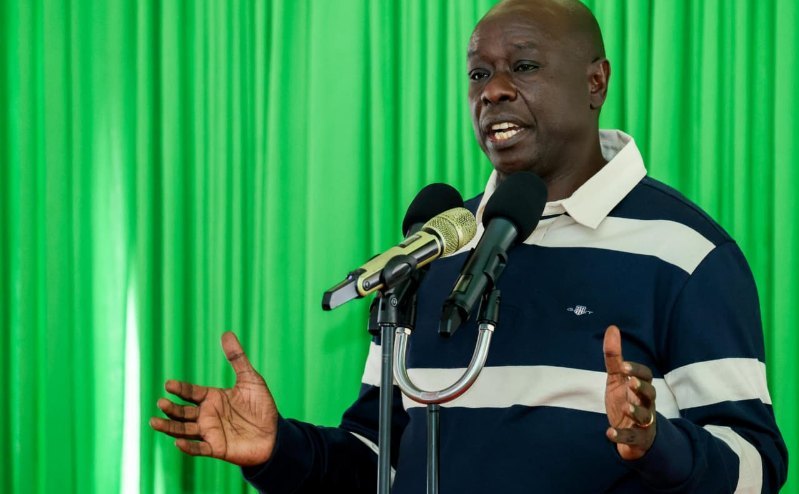
Former Deputy President Rigathi Gachagua has praised 40 Members of the National Assembly who he says opposed the 2026/27 Finance Bill during a vote held on Thursday, June 18, 2026, saying they stood with citizens.
In a statement, Gachagua stated that their decision aligned them with the public.
He also made reference to political accountability ahead of the next election cycle and suggested that voters would respond to how MPs voted on the legislation.
“History will remember the 40 Honourable Members of the National Assembly who, on Thursday, 18th June 2026, stood with the people of Kenya," he said.
"You are the true heroes of our Nation who chose the 55 million Kenyans against the 2026/27 finance bill. That is the true representation of the people who gave the mandate. I trust your constituents will show you kindness next year on the 10th of August."
Gachagu's remarks come a day after the MPs passed the Finance Bill, 2026, in its Third Reading with 122 votes in favour against 40 nays.
The vote was among efforts by the government to fund the Sh4.8 trillion budget for the 2026-27 fiscal year.
The vote saw the government's numerical strength prevail despite a consolidated opposition bloc.
Members of President William Ruto's side and the broad-based government coalition backed the Bill, against a camp led by allies of impeached Deputy President Rigathi Gachagua.
Gachagua had directed DCP-allied MPs to reject the Bill and force a division vote to publicly record each legislator's position.
The passage now clears the way for the Bill to be forwarded to President Ruto for assent before it becomes law.
Among the key changes made by MPs were the removal or modification of several contentious tax proposals that had attracted criticism from businesses, civil society groups and members of the public.
The government has maintained that the Bill seeks to enhance revenue collection while avoiding the introduction of punitive taxes that could worsen the cost of living.
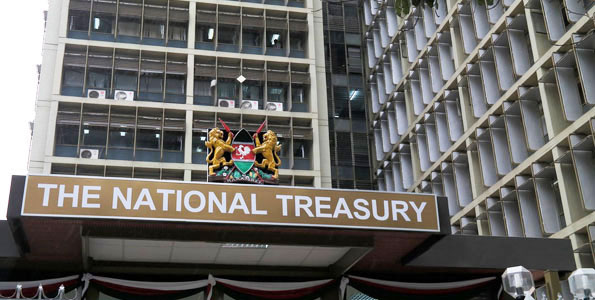
Treasury officials have argued that the measures contained in the Bill are necessary to support government programmes, reduce reliance on borrowing and improve tax administration.