In the land of Nelson Mandela, groups of citizens, some in
their anti-apartheid-era regalia, are hunting down other Africans, claiming
they are taking their jobs and opportunities, rounding them up in the streets
and demanding that they go home.
In the West, while citizens mostly fill the
streets protesting immigrants and the policies that enable them, they are not
marching door to door to eject foreigners, at least for now.
But for anybody out there, young or old, contemplating or
even admiring the prospect of moving abroad, you may need to pay attention.
No
one tells you the real story of immigration and the experience of the diaspora
community. Scratch beneath the glittering stories seen in movies, remittance
figures and Instagram pictures.
Many immigrants, including Kenyans living abroad, would
rather stay in their country of birth, where they are not only welcomed but
also belong, if the economy and public systems were working.
As an immigrant
myself, I suspect I speak for many when I say that while one may live in a nice
house, drive a sleek car and enjoy functioning systems and infrastructure
abroad, there is often a gaping hole that can only be filled by belonging back
home.
There is a particular way a black immigrant learns to walk
in the West: careful, measured, never too loud, never too certain of his
welcome. You learn the geography of suspicion.
You learn which moves make you
feel watched, which shop aisle suddenly becomes narrow, which police siren
makes your stomach tighten even when you have done nothing.
You learn that
legality is not the same as belonging. Papers may let you work, study, pay
taxes and rent a room, but they do not always protect you from being treated as
a pending accusation.
It is not the glossy story of success told at airports and
family gatherings. It is a life lived between two pressures: the hardship that
pushed you out and the hostility that may await where you land.
At home, the
economy tightens around families with the patience of a noose. School fees
rise, medical bills arrive without warning, jobs shrink, farms fail, businesses
stall, and the educated son or daughter becomes not merely a graduate but a
family investment expected to mature.
Abroad, that same person often becomes a
foreigner first, a worker second and sometimes, because of the colour of his
skin, a suspect before he has opened his mouth.
Thanks to the Mwai Kibaki years, many millennials and Gen
Zs, who make up the bulk of the population, are highly educated. But given the
massive poverty, and which many argue was deepened during the Jubilee UhuRuto
years, that investment in education has not yielded the expected dividend.
When
that graduate crosses a border, he does not travel alone. He carries WhatsApp
messages about rent arrears, hospital bills and fundraisers, school balances,
funeral contributions and the quiet sentence that governs so many diaspora
lives: We are depending on you.
Diaspora community continue to prove their generosity and
kindred spirit. The Central Bank of
Kenya's remittance figures show monthly inflows running into the hundreds of
millions of dollars, with North America, Europe and other regions forming the
major channels through which Kenyans abroad send money home.
Recent reports placed Kenya's annual diaspora inflows near
record levels, with 2024 totals reported at roughly $4.9 billion and the United
States remaining the largest source.
Behind those numbers are night shifts,
double shifts, humiliating jobs, delayed meals, lonely rooms, abandoned dreams
and people who cannot afford to collapse because an entire household may
collapse with them.
If a crime is committed, the immigrant prays twice: first
for the victim, and then that the accused is not an immigrant, not African, not
Black.
Worse still when the incident is picked up by far-right media echo
chambers trafficking in extreme language and normalising the description of
non-white immigrants as "third-world trash."
The lawful immigrant who
has followed every rule suddenly walks around feeling as though he is one
incident away from collective punishment.
This is the prism through which the mayhem at the southern
tip of Africa should be understood. While some protesters may have legitimate
grievances about poverty, unemployment and hopelessness, the scapegoating of
fellow Africans is shameful, retrogressive in the year of our Lord 2026, and
wholly unwelcome.
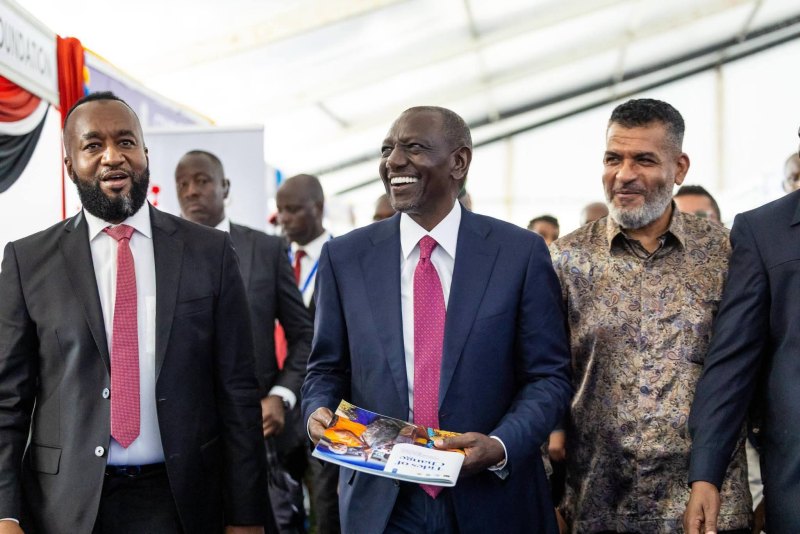
While President William Ruto has been making a forceful case
for a united continent with immense potential, given its natural resources,
youthful population and educated workforce, images of African-on-African
hostility undermine that vision.
Those in the Global North do not need a better
counterargument to President Ruto's pitch than scenes of xenophobia making
headlines across the continent.
In fact, no matter the point at issue, Africa should
steadily and deliberately move towards deeper integration. The colonial borders
that divide us have outlived much of their purpose.
A single passport, easier
job mobility, open skies and stronger continental unity could actually boost
the hand of Africa, cut outbound immigration and strengthen our lot.
But also, in the context of our country and in light of next
year's election, the sustained spirit of negative tribalism that has become
commonplace on social media is beyond embarrassing.
It is even more
embarrassing because much of it comes from people presumed to be educated and
exposed, having gone to school and worked alongside fellow citizens from
different ethnic backgrounds. Sadder still, much of this ethnic profiling is
done at the behest of politicians.
Hear this from a well-sourced journalist: politicians do not
care about you. Do not fight for them. Do not hate for them. Let us simply
demand better for our country.



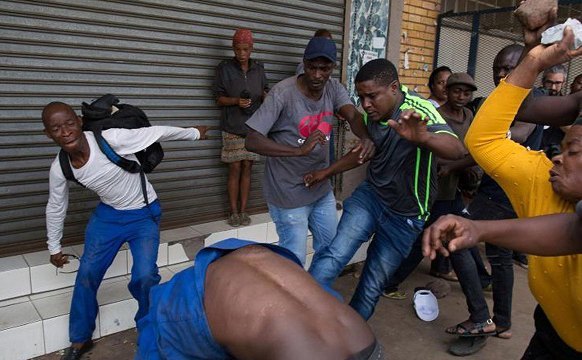 Xenophobic violence in South Africa /Xinhua