The government has intensified
surveillance of public service vehicles after Parliament was told drug
traffickers are increasingly using passenger buses to transport narcotics
across the country.
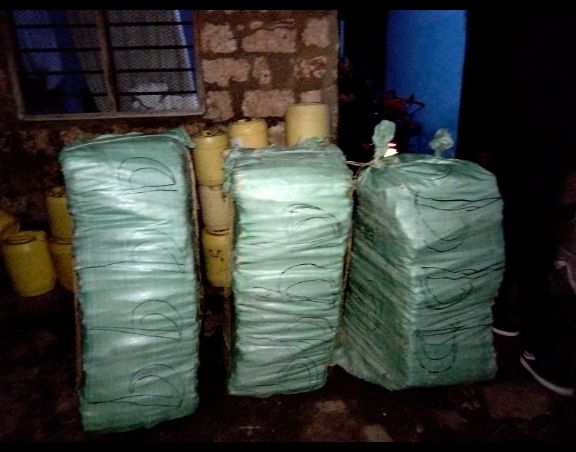
The move follows the interception of
a long-distance bus on the Kisumu-Kericho highway carrying cannabis worth
nearly Sh200,000.
A report tabled in the National
Assembly revealed police officers acting on intelligence intercepted the
bus, which was travelling from Ugunja to Nairobi and recovered five bales of
cannabis weighing 6.6 kilogrammes each.
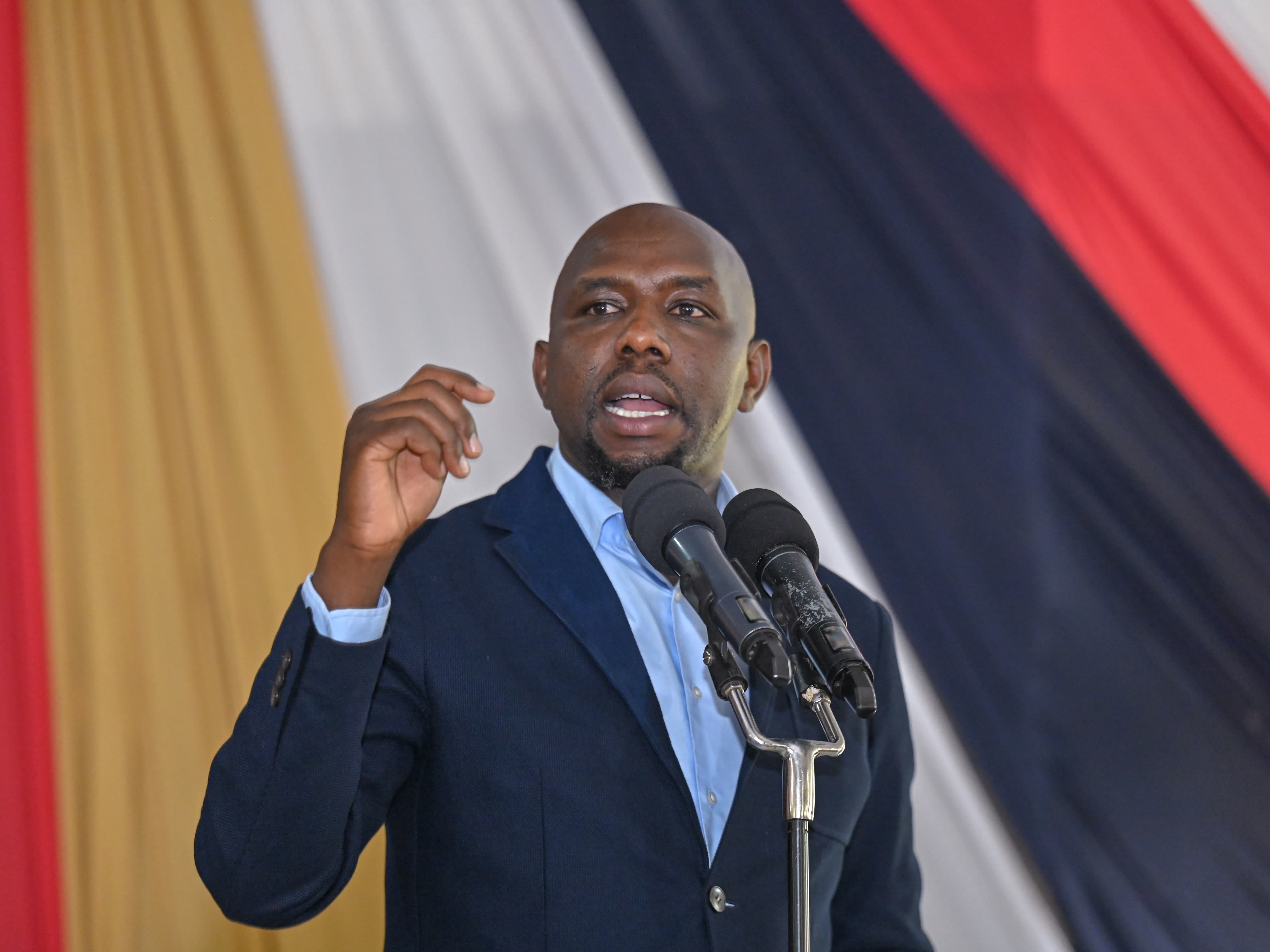
The report was presented by Lari MP
Kahangara Mburu on behalf of the National Assembly Departmental Committee on
Administration and Internal Security in response to a statement sought by West
Mugirango MP Stephen Mogaka.
“Following intelligence information,
police officers intercepted a bus... they recovered five bales, each weighing
6.6 kilogrammes, of dry plant material suspected to be cannabis sativa valued
at about Sh198,000,” Mburu told the House.
The drugs, allegedly concealed using
yellow tape, were found in the possession of a passenger who was arrested and
later arraigned at the Nyando law courts.
Parliament was informed that investigators are seeking to establish the source of the drugs, identify those
behind the shipment and determine whether the seizure points to a wider
trafficking network.
The committee said security agencies
were also investigating whether the incident was an isolated case or part of an
organised syndicate exploiting transport corridors in the Coast and Nyanza
regions.
The revelations have heightened
concerns over the use of major highways and passenger buses to ferry narcotics
to urban centres, prompting fresh government interventions targeting public
transport operators.
Among the measures announced are
24-hour multi-agency roadblocks on the Kisumu-Kericho highway, particularly
in Ahero and Nyando, and the deployment of specialised checkpoint teams to
conduct inspections on public transport vehicles.
Transport operators and vehicle
crews are also being trained to identify and report suspicious cargo.
“Majority of transport Saccos have
been encouraged to scrutinise goods that are picked along the way and at
designated bus stops,” Mburu said.
The government has further increased
the deployment of anti-narcotics officers at transport terminals and strategic
transit points, while progressively expanding canine units to improve the
detection of illicit drugs.
Authorities told Parliament that
awareness campaigns in schools and communities, crackdowns on drug peddlers
operating near schools and transport terminals, and closer collaboration with
child welfare institutions were also being implemented to shield children and
young people from exposure to narcotics.
To tackle the drug menace,
particularly among young people, the government said it had adopted a
multi-sectoral approach involving prevention, enforcement, rehabilitation and
research.
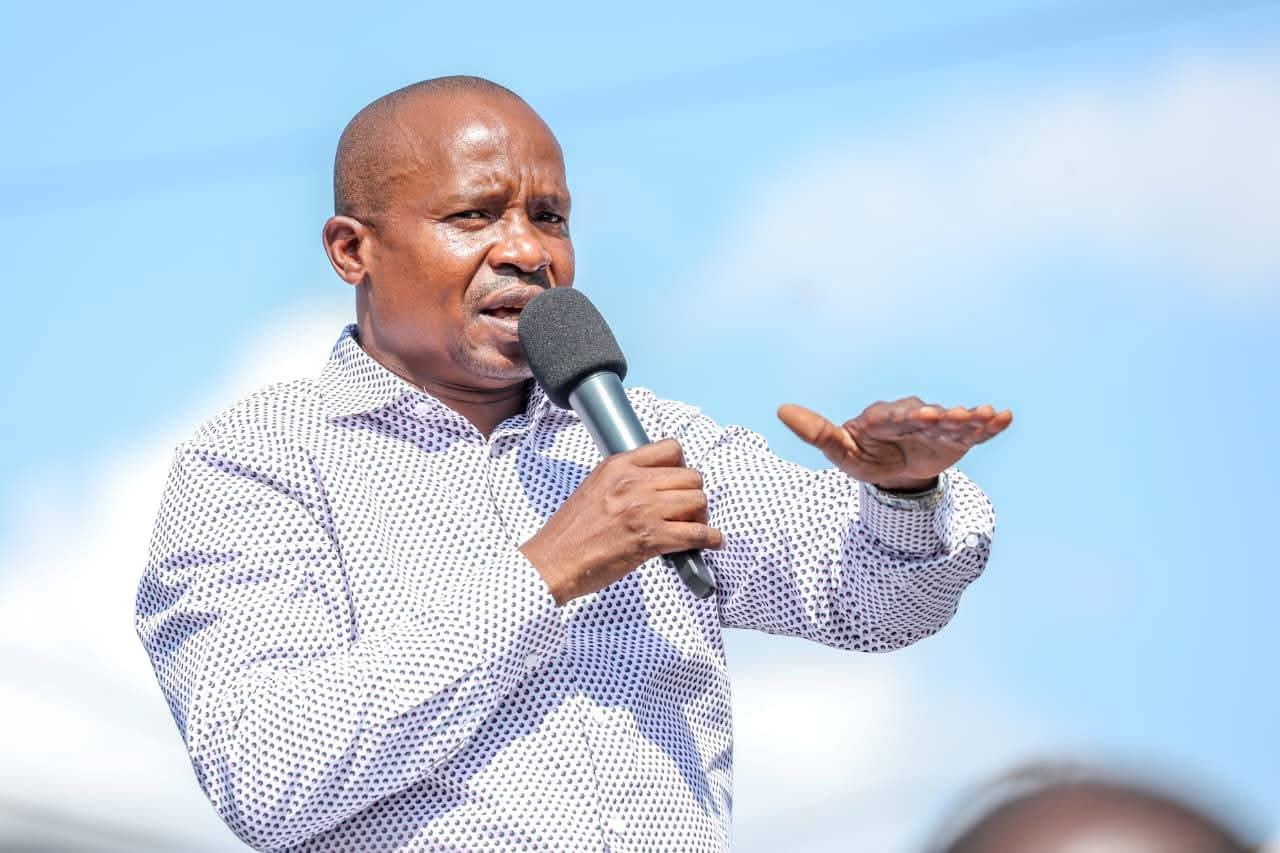
However, Mogaka expressed
dissatisfaction with the committee's response, questioning why it appeared to
focus on one transport company when other operators had reportedly been linked
to investigations.
He also sought an update on three
vehicles allegedly impounded during earlier investigations.
“Section 20(2) of the Narcotic Drugs
and Psychotropic Substances Control Act provides for forfeiture of the vessels
involved in transportation of narcotic drugs. I have not heard from the committee
what happened with the three motor vehicles that were originally impounded,” he
said.
Mogaka further alleged he had
faced intimidation after publicly raising concerns about drug trafficking.
“For the record, I wish to state
that one of the individuals associated with the company confronted me at a
funeral in my constituency with goons telling me to leave him alone. That is
why I believe drug traffickers can kill,” he told the House.
The government maintained it
remains committed to dismantling trafficking networks and protecting vulnerable
groups from the dangers posed by narcotic drugs.
“It is to reiterate that the government remains committed to safeguarding the public from the threat posed
by narcotic drugs and will continue to strengthen collaboration efforts among
all stakeholders to prevent trafficking, protect vulnerable populations and
promote a drug-free society,” the committee stated.