Kenyans caught peddling shisha could face a fine of up to
Sh1 million, six months in jail, or both, under proposed new regulations.
The new rules are aimed at tightening the country's crackdown
on the cancer-causing product.
The Ministry of Health is also inviting members of the
public to submit their views before the rules are finalised.
The proposed Public Health (Prohibition of Shisha Smoking
and Waterpipe Tobacco Products) Rules, 2026, would ban the importation,
manufacture, sale, distribution, advertising, promotion and use of shisha, also
known as waterpipe tobacco.
The rules would replace the existing 2017 regulations and
introduce much tougher penalties for offenders.
Health Cabinet Secretary Aden Duale, in the Regulatory
Impact Statement accompanying the proposed rules, said the government is
seeking stronger measures because shisha remains a serious threat to public
health despite the ban introduced nine years ago.
"Shisha smoking poses significant health risks to both
users and non-users. Research shows that a single shisha session can expose a
person to more smoke and harmful chemicals than smoking several cigarettes. The
use of shared mouthpieces also increases the risk of spreading communicable
diseases such as tuberculosis, hepatitis and Covid-19," Duale said in the
statement.
Shisha is tobacco-based and tobacco remains the single
biggest preventable cause of cancer.
Duale said scientific evidence confirms that waterpipe
tobacco smoking can contribute to oral, oesophageal and lung cancers, as well
as respiratory, cardiovascular and periodontal diseases.
According to the Ministry of Health and the WHO, nearly
12,000 Kenyans die from tobacco-related illnesses every year. This translates
to an average of more than 30 lives lost each day.
Duale added; "The World Health Organization (WHO) has
confirmed that shisha smoke contains toxic substances, including nicotine, tar,
carbon monoxide, heavy metals and carcinogens. These substances contribute to
addiction, respiratory illnesses, heart disease and cancer."
Under the proposed rules, it will be illegal to import,
manufacture, sell, distribute, advertise, display, supply or consume waterpipe
tobacco products in Kenya.
People will also be prohibited from allowing premises to be
used for shisha smoking, including public buildings, business premises, parking
areas and public parks.
The ministry says the tougher law is necessary because
shisha use has continued to grow, particularly among young people.
"Waterpipe smoking has become increasingly common in
social settings, often viewed as a harmless or fashionable activity. Its
flavoured variants and use in group settings have contributed to its rising
popularity, especially among youth and women," Duale said.
He warned that this normalisation poses a threat to public
health efforts by undermining anti-smoking campaigns and creating a gateway to
other forms of tobacco use.
The statement notes that Kenya banned shisha in 2017, becoming
the fourth East African country after Uganda, Tanzania and Rwanda to take the
step. However, some entertainment venues continued offering the product despite
the ban.
The ministry cited previous findings showing that, before
the ban, authorities prohibited 19 shisha flavours after tests found some
contained narcotic substances, including bhang and heroin.
"According to analysis, 79.2 per cent of shisha samples
collected tested positive for heroin," the statement says.
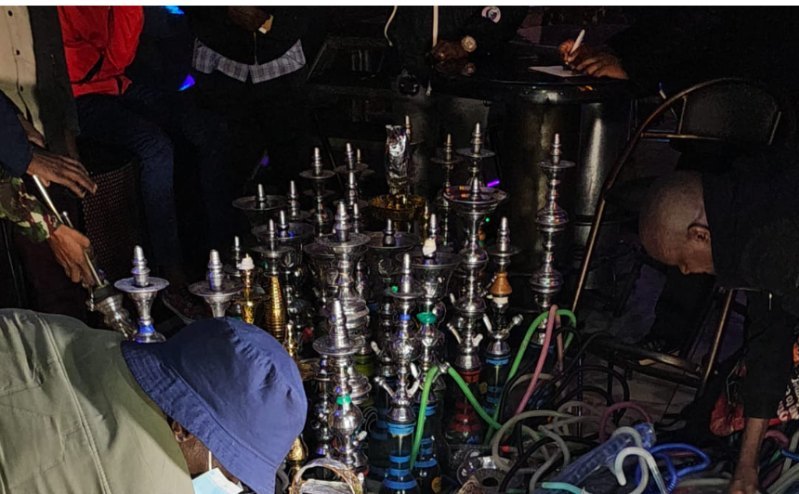
The ministry further noted that shisha smoking has become
increasingly visible in bars and clubs despite the existing ban.
A 2023 report by the National Authority for the Campaign
Against Alcohol and Drug Abuse found that shisha smoking had gradually become
popular among young people in Kenya, especially in towns and cities with many
bars.
"The report notes that the sight of shisha in most pubs
is an open secret and, in fact, smokers no longer hide in special rooms
anymore," the statement says.
The ministry is now conducting public participation on the
proposed regulations and has scheduled public hearings across the country.
The meetings this week will take place in Kakamega, Nanyuki,
Samburu, Laikipia, Nyeri, Kiambu, Murang'a, Kirinyaga, Kisumu, Siaya, Migori,
Homa Bay, Kisii, Nyamira, Kericho, Bomet, Narok, Nakuru, Baringo, Nyandarua,
Nairobi, Machakos, Kajiado, Kitui and Makueni.
INSTANT ANALYSIS
The proposed shisha ban signals a tougher public health
stance by the government, shifting from regulation to near-total prohibition
backed by heavy penalties, including fines of up to Sh1 million.
While authorities justify the move using WHO-linked evidence
on cancer risks and rising youth consumption, the policy also highlights
enforcement gaps since the 2017 ban. The continued visibility of shisha in
urban entertainment venues suggests weak compliance and possible enforcement
challenges within parts of the hospitality sector.
Ultimately, the success of the new rules will depend less on
legislation and more on enforcement capacity, public awareness and behavioural
change among young users.