


A major shift in global weather patterns is on the horizon as the World Meteorological Organisation issues a definitive warning regarding the return of El Niño.
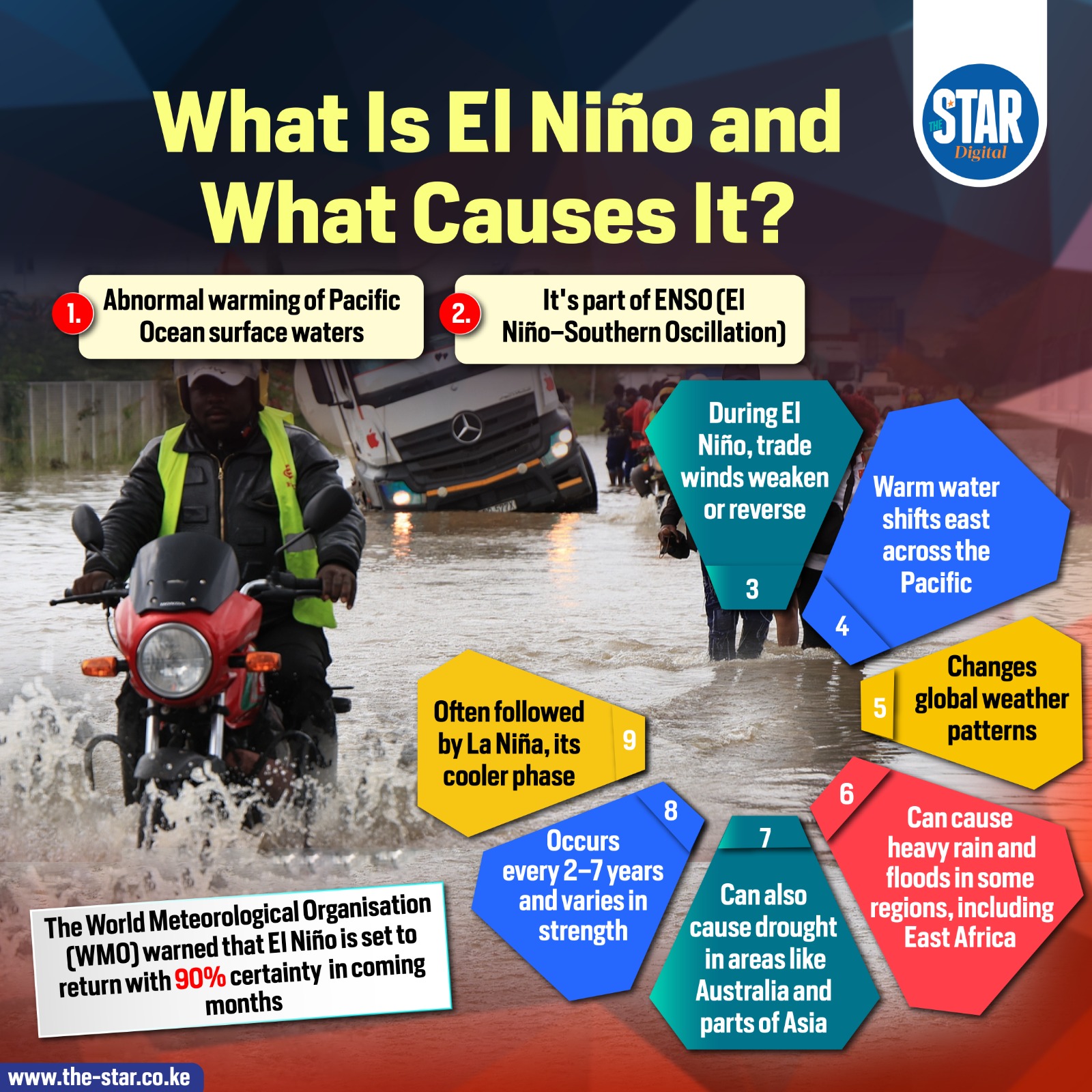
The meteorological authority has established a 90 per cent certainty that the climate phenomenon will emerge in the coming months. This development signals a disruption in global atmospheric conditions, as El Niño typically recurs every two to seven years and exhibits varying degrees of intensity during its cycle.
At its core, El Niño represents an abnormal warming of Pacific Ocean surface waters and forms an integral part of the broader El Niño–Southern Oscillation cycle.
The phenomenon initiates when standard atmospheric setups break down; specifically, the prevailing trade winds either weaken or completely reverse their direction. This atmospheric shift causes a massive volume of warm ocean water to move eastward across the Pacific Ocean, directly altering how heat and moisture are distributed around the globe.
The cascading effects of this oceanic warming will inevitably disrupt local climates worldwide.
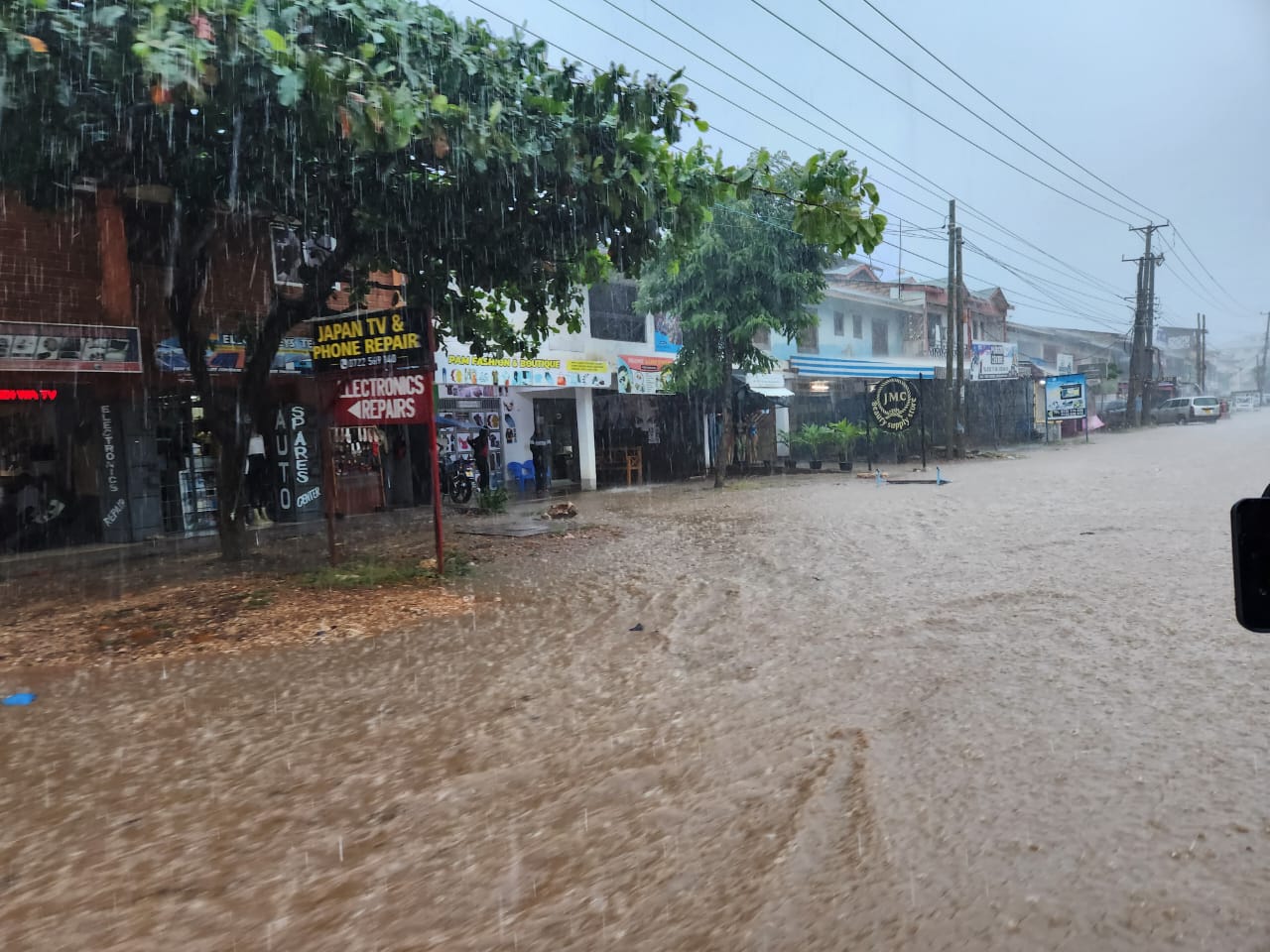
Regions in East Africa are facing heightened vulnerabilities, as El Niño historically triggers heavy rainfall and devastating floods across the area.
Conversely, the exact same system is projected to cause severe drought conditions on the other side of the globe, specifically impacting Australia and various parts of Asia.
Climatologists note that once this warm cycle concludes, it is often followed by La Niña, which serves as the cooler phase of the oscillation cycle.