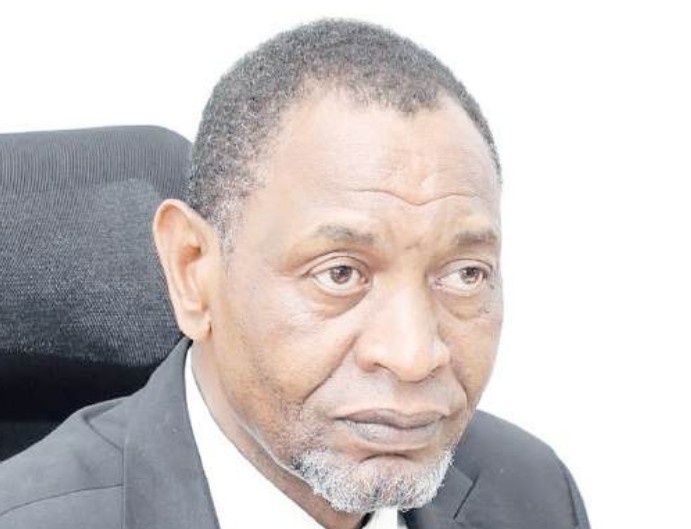
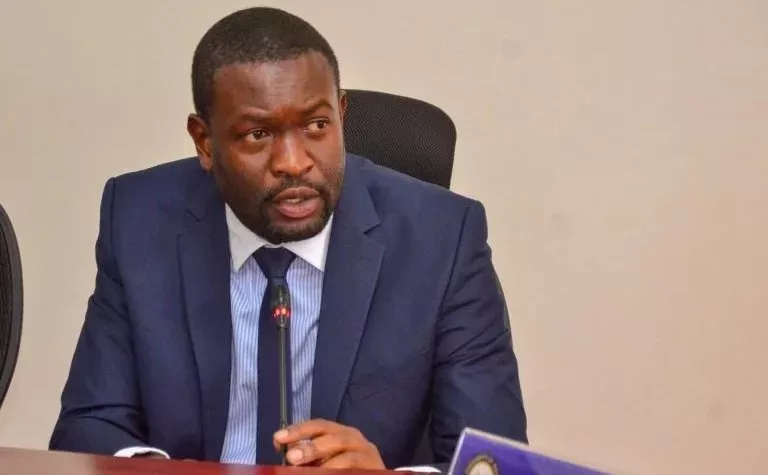
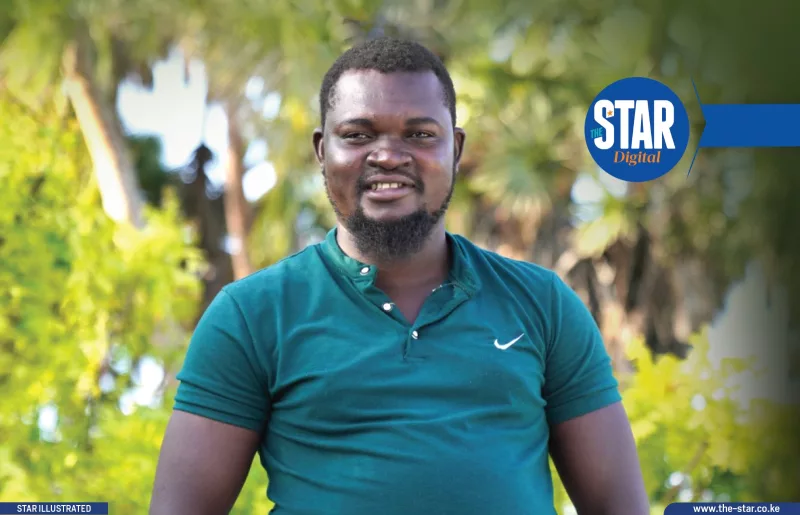
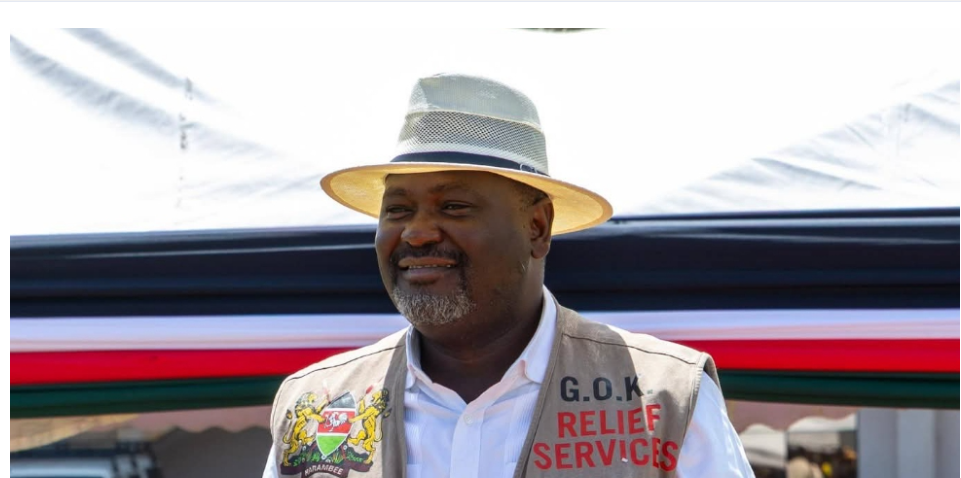
Nyeri Senator Wahome Wamatinga was probably the closest ally
of former Deputy President Rigathi Gachagua. The first-term lawmaker served as
the National Government Constituencies Development Fund board chairman during
Rigathi’s tenure as Mathira MP. Shockingly, Wamatinga and Gachagua severed ties
leading to the senator voting in favour of the ex-DP’s impeachment last year.
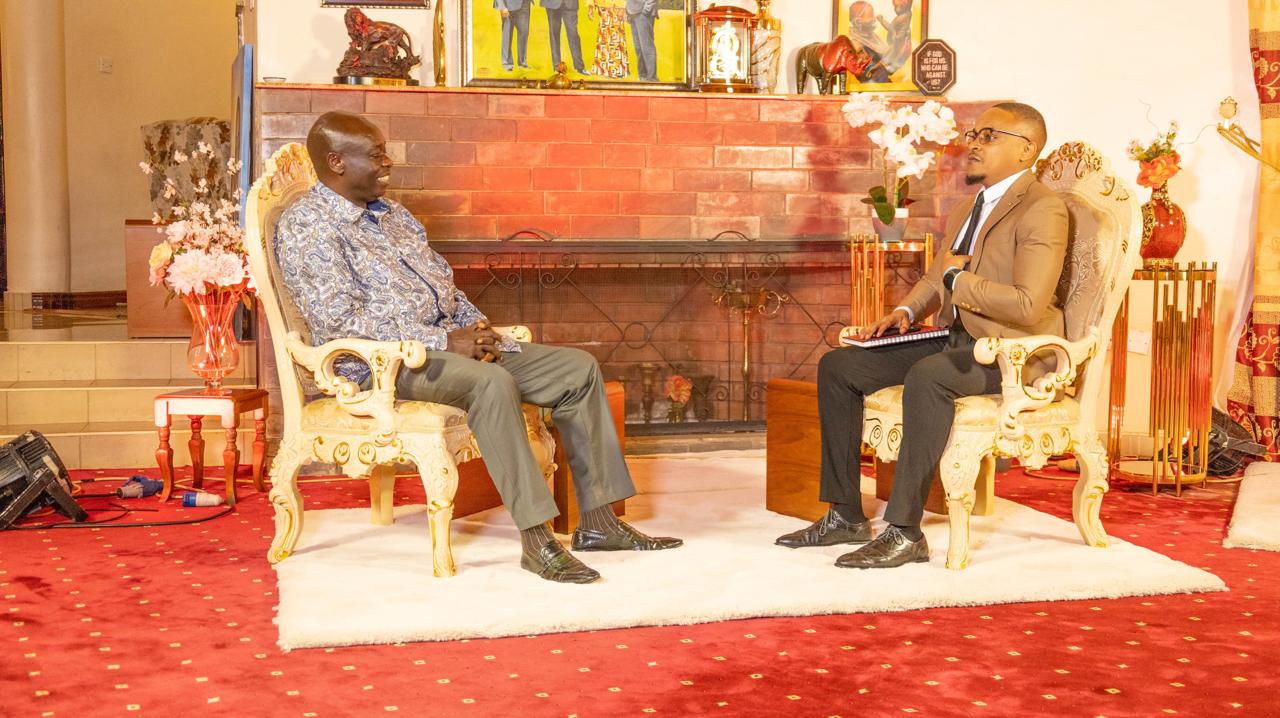
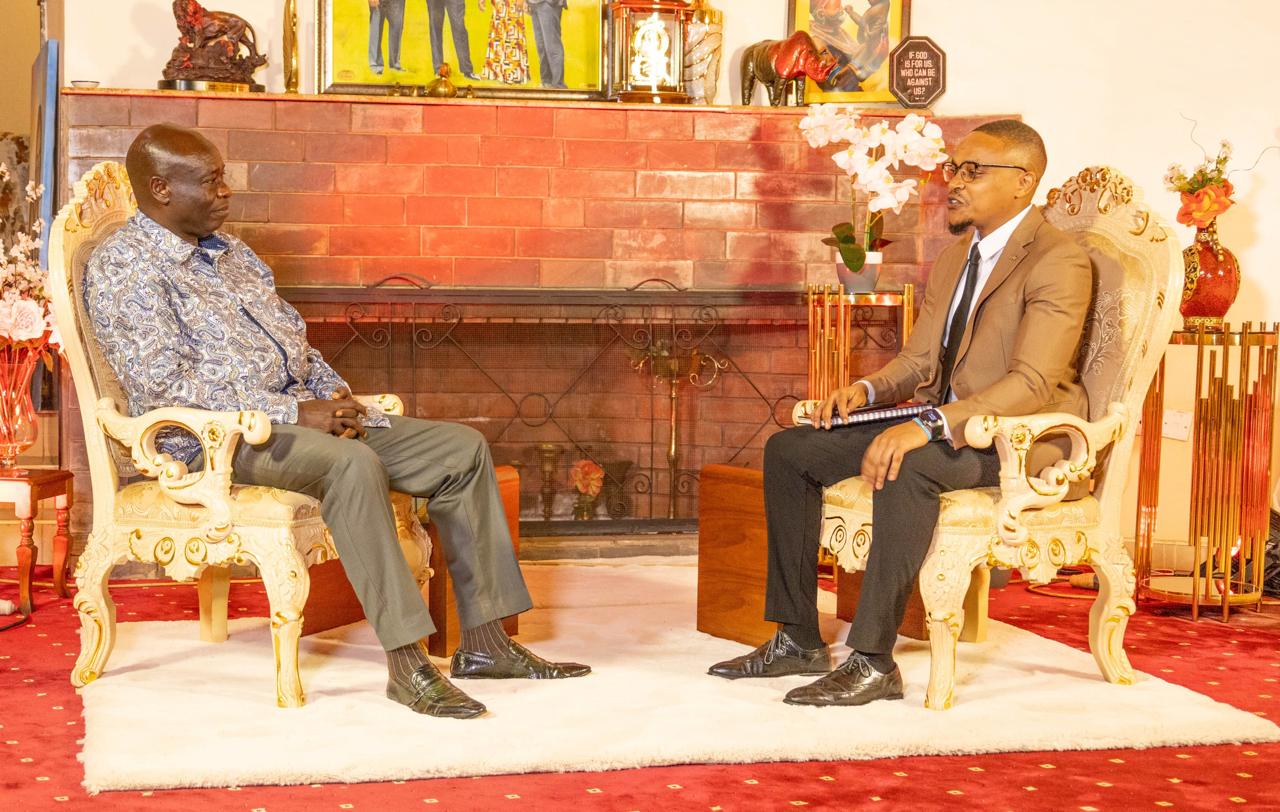
In an interview with the Star, the senator opens up on his fallout with
Gachagua, Mt Kenya politics and his achievements and challenges in the Senate
and Nyeri.
Who is Wahome Wamatinga?
I was born and raised in Nyeri county. I was raised by my
grandmother. My background is humble. I attended a local primary school and
went to a day secondary school. After I completed my O’ Level, my community saw
it fit to give me a further chance. They did a fundraiser for me and I went to
Germany for further studies. Looking at my background, I kind of made a
covenant with my God that if I succeed in my studies and complete them, I will
come back and serve my community.
So, where did the name Wamatinga come from?
When I came back from Germany, I realised that we had a big
shortage of training in technical skills. Our education system puts a lot of
emphasis on white-collar jobs. Having lived and worked in Germany, I realised
that what made their economy successful is their emphasis on technical
training. I borrowed heavily from that. I started a college that was training
people in engineering but without looking at academic qualifications. We were
the first institute that could take in somebody as long as you have a national
ID without looking at your academic background. Most of the young people who
worked on the SGR (Standard Gauge Railway), operating those big machines (tinga
tinga) were my trainees. That is how I acquired the name.
Why and when did you join politics?
With the introduction of multiparty politics, I joined the
Democratic Party. I was the chairman of DP in Western Europe. In 1997 we lost
the election. But in 2002, we won. I decided to relocate to Kenya in 2006 so
that we could help in nation building. Even though I was living abroad, I was
an active member of PNU (Party of National Unity), which merged with DP to
ensure Kibaki was re-elected. In 2007, I helped former Nyeri Governor Nderitu
Gachagua to campaign for an MP seat. In 2008, we formed GNU (Government of
National Unity), which he used in 2013 to run for the Nyeri governor position.
I believe in serving the community at all levels – locally and nationally.
You are a strong believer in party politics
It is because, for the 20 years I lived in Germany, I
realised that strong parties there were able to position Germany as a strong
economy. Tanzania and South Africa have had CCM (Chama Cha Mapinduzi) and ANC
(African National Congress) for a very long time. They have party structures
that can discipline party members and thus people can follow party policies. I
believe that we will be able to build parties that supersede our regional and
tribal inclination and enshrine the interest of Kenyans.
How has the experience been serving as a senator since
2022?
It has been quite challenging. We are required to do the
oversight, represent and legislate but you are not given resources to do that
work. You are required to traverse the whole county to oversee the activities
of the governor and conduct public participation in the execution of projects
but you are not given a single cent save for your salary to enable you to do
that.
What did you achieve during your tenure as Senate Energy
Committee chairman?
We investigated the G-to-G (government-to-government) oil
arrangement. Initially, we had an open tender where bidders would express their
interest and that exerted a lot of pressure on the dollar. The President, using
his wisdom, decided to use G-to-G and reduce overreliance on the dollar. He
went and negotiated with oil-producing countries. As a result, the demand on
the dollar went down. We were able to borrow locally. We also pushed for the
removal of smart meters from Kenya Power to be installed as part of the
utilities.
What have you done for the people of Nyeri?
My passion through the Wahome Wamatinga Foundation has
always been to give young people an opportunity to discover their talent, give
them a new perspective in life and encourage them. We have the Uji Wa Afya programme
right from ECDE to primary school to Junior secondary. Since we introduced this
programme, we have seen attendance increase, in some areas, up to 98 per cent.
Performance has also improved. When kids complete learning, be it primary,
secondary or university, they join Club Tenee, which allows them talk to
themselves and encourage each other. We have Club Total where we give seedlings
to the children to grow. By the time they get to Grades 5 or 6, the trees are
already producing fruits. In the process, they know that putting effort and
working hard can bear fruit. We have also been engaging young adults to address
the issue of mental health. Nyeri county has been leading in cases of mental
health.
What is your relationship with Gachagua?
I was Gachagua’s CDF chairman for five years. Since 2002,
when his brother, the late Nderitu Gachagua was campaigning to become the MP, I
was residing in Germany but I could take a flight and come to Kenya to campaign
for him. So, this is a very close family relationship that we have. We have
developed a political relationship for several years. However, I would want to
disagree with some of the things that he said. I am not a person who believes
that we as the mountain region can sustain ourselves. If you look at the world
over, we are moving towards global integration. I tend to disagree with him
that we propagate the politics of a region or ethnic bloc as opposed to
national and regional integration. I do not agree with my friend Gachagua that
we need tribal integration. What we need is national and regional integration.
I believe that for Kenya to grow and sustain itself, we must encourage regional
integration.
Is Gachagua the next big thing in Mt Kenya?
The next big thing for the people of Mt Kenya is someone who
will improve milk prices, improve the price of coffee and revive the economy.
Someone who will protect their businesses. Someone who will empower them and
give them farm inputs like subsidised fertiliser. The next big thing are people
who are looking at the future of this country. Those who understand the global
and African dynamics and how the continent will be in the next couple of years.