
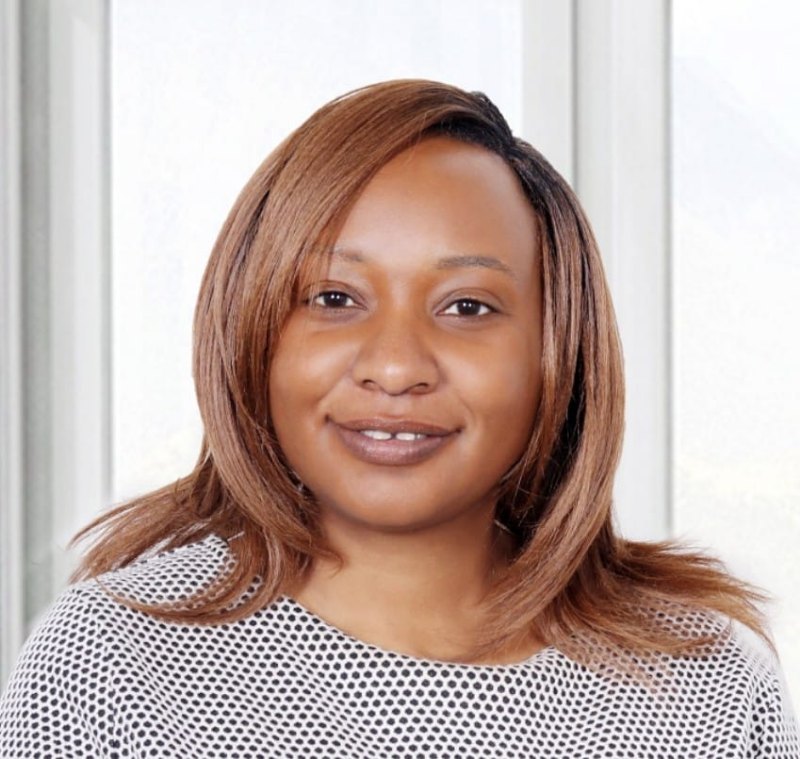
 Dr Nelly Kamwale, a wellness doctor passionate about social change, gender, and mental health advocacy/HANDOUT
In Kenya, a 29-year-old coder in Nairobi can build apps that thousands use, but he cannot sit through a Huduma Centre queue without his chest tightening.
A TSC teacher in Eldoret with ADHD plans brilliant CBC lessons, yet loses her payslip and experiences salary delays because executive function was never part of teacher training. A boda rider in Kisumu with Tourette’s is told “tulia” by passengers instead of getting treatment that reduces his tics.
This is life for thousands of Kenyans living with autism, ADHD, dyslexia, dyspraxia, OCD, and other neurodivergent conditions. And here is what makes people uncomfortable: some of them say plainly, “I wish I was neurotypical.”
Not because they hate themselves. Not because the neurodiversity movement failed. But because Kenya’s world was built for one kind of brain.
Matatus with blaring music, government offices filled with shouting, job interviews with unwritten social rules, KCSE and university exams with strict time limits. Wanting the tools to move through that world is not self-hatred. It is survival.
A young man in Kariobangi with ADHD who asks his doctor at Kenyatta National Hospital for prescription support is not betraying his identity. He is saying, “I want to keep my job at Equity Bank without 20 late penalties every month.”
A mother in Mombasa with autism who seeks treatment for anxiety before a parents’ meeting is not rejecting her identity. She is saying, “I want to show up without panic attacks.”
Support does not erase neurodivergence. Glasses do not erase short-sightedness. Wheelchair ramps do not erase mobility differences. Treatment for neurodivergent adults gives people choice over attention, anxiety, and which parts of their brain they can use on a Tuesday morning.
Yet Kenya forces a false choice: either you “accept yourself” and suffer quietly, or you seek help and people say you are “trying to be normal.”
NCPWD cards exist, but stigma is heavier than the paperwork. Doctors at Mathare, Moi Teaching and Referral Hospital, and county referral hospitals sometimes prescribe treatment, but SHA coverage for adult ADHD, autism-related anxiety, and OCD therapy is inconsistent. In rural counties, pharmacies stock medication sporadically. Families in Busia, Turkana, and Wajipay 8,000 to 15,000 KSh monthly out of pocket.
THAT IS NOT A CHOICE.
That is exclusion. If a Kenyan adult says, “I want to function closer to how my neurotypical colleagues do so I can feed my family,” that request must be respected without debate.
The alternative we see now is burnout by age 35, job loss, depression, dependence on relatives, and silence.
Assistance is not charity. It is equity. It is the brain equivalent of ramps and lifts.
Kenya’s Persons with Disabilities Act, 2003, and Article 54 of the Constitution promise the right to education, employment, and access. For neurodivergent Kenyans, that must mean real support that lasts until retirement age, which is 65 in Kenya.
WHY DOES 65 MATTER SO MUCH?
Because the road to 65 is longer and harder for neurodivergent adults.
Employment gaps happen when sensory overload forces resignation from a call centre in Westlands. Underemployment happens when a dyslexic graduate is brilliant but cannot finish a timed exam at KCAA or KISM.
Many adults spend their 20s and 30s “masking” — forcing eye contact, suppressing stims, and pretending to understand vague instructions from a boss in Industrial Area. By their 40s and 50s, the energy runs out.
This is called autistic burnout or ADHD burnout. It is not laziness. It is cumulative exhaustion.
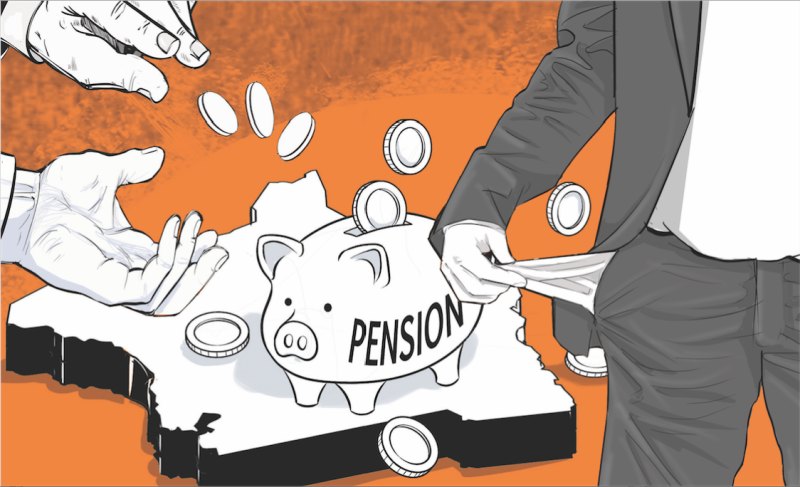
Pension contributions through NSSF are lower because of unstable work histories. Medical costs are higher because chronic stress causes hypertension, ulcers, anxiety, and depression.
If NCPWD support or SHA benefits stop at 40 because “you should have adapted by now,” we guarantee poverty at 65. That is policy failure, not personal failure.
SO WHAT MUST KENYA DO RIGHT NOW?
First, guarantee consistent access to treatment without shame. SHA should cover adult ADHD prescriptions, autism-related mental health care, OCD therapy, and anxiety therapy the same way it covers diabetes and hypertension. KEMSA must ensure drugs reach county hospitals in Kakamega, Garissa, and Nyeri, not only Nairobi. Doctors must be trained to understand that a 45-year-old seeking support is managing a chronic condition, not “drug seeking.”
Second, fund practical assistance that fits Kenyan life. County governments should hire occupational therapists and job coaches through NCPWD. Huduma Centres should have “low-sensory hours” with less noise and written instructions for people who process information better by reading than speaking. Employers should get tax incentives to provide quiet corners, flexible hours, and clear written tasks. Jua kali artisans with dyspraxia need adapted tools, not lectures about “concentration.” Universities like UoN, KU, and Moi should extend exam time and allow recorded lectures as standard accommodations, not special favours.
Third, protect all benefits until age 65. If a Kenyan has NCPWD registration for a neurodevelopmental condition, medical and financial support must continue to retirement age. Kenyans retire at 65. Neurodivergent Kenyans pay PAYE, NSSF, and SHA contributions too. They deserve the same finish line.
Cutting support early because someone “looks normal” ignores decades of hidden effort. It punishes people for surviving without help.
This is not an attack on neurodiversity. Celebrating autistic pattern recognition, ADHD creativity, and dyslexic big-picture thinking is important. Kenya needs those minds to build Konza Tech City, teach CBC classrooms, create art at GoDowns, and run farms in the Rift Valley.
But respect means making room for both paths.
Respect the 22-year-old at UoN who says, “I am autistic and proud. I do not want treatment.”
And respect the 38-year-old single mother in Kayole who says, “I am autistic and exhausted. I want treatment and a job coach so I can work until 65 and retire with dignity.”
Both are self-advocacy. Both are Kenyan. Both deserve laws and budgets that listen.
Wanting to move closer to how neurotypical people function does not make you less neurodivergent. It makes you human.
And humans in Kenya deserve the right to choose their tools – treatment, therapy, workplace adjustments, and financial support — without shame, without financial ruin, and with backing all the way to retirement at 65.
Let them choose.
Then fund that choice with SHA coverage, NCPWD services, county programmes, and employer accountability.
That is how we move from slogans to survival, and from survival to dignity.
The writer is a wellness doctor passionate about social change, gender, and mental health advocacy/HANDOUT