



Have you ever heard the phrase ‘women dress up for other women’? The argument is simple: that a compliment from another woman means more than from a man. The same can be said for criticism as well. A woman can be criticised about something by another gender without it meaning anything, but as soon as the criticism comes from another woman, it pierces the heart more.
As women, we learn from a young age that criticism from fellow women will always show up as thinly veiled praises, such as, “Not many women are confident enough to pull off wearing that.” Or they will show up as surprise exclamations when you see someone after a long time. “...And you’ve put on weight!” That last one is my old friend. Growing up in Swahili society, we were taught to be criticised from a young age and take it on the chin because getting upset would offend the other person since they were ‘just joking’.
The society I grew up in was pretty toxic for young girls. We were taught not to answer back, take criticism with a smile and not to offend our elders. To date, I have a fear of going to any Swahili salon. As a young girl with curly hair, I would get yanked at the root while the hairdresser would disdain comments about my wavy hair knotting. I would then settle for a poorly done job and pay full price, while I walked away with my tail between my legs. All this happened before I turned 18.
For most girls, the first person to criticise them is often their own mothers, then their sister and, of course, their aunts. Then we grow up and the words echo around our peers, our mentors and our bosses. There are those unfortunate enough to get the short end of the stick when it comes to mother-in-laws. They continue living in the hell of being criticised and chastised for the simple reason of loving some woman’s cherished son.
Then there are those female bosses who believe it is their duty to berate every woman in the company because they had a hard time when they were younger, too. They try to tear up these young women’s confidences because they must be hardened in order to survive in the industry.
Some just hate these juniors for being younger and pretty. These dragon lady bosses, as I call them, believe they have earned the right to criticise younger women in the office because they were once criticised but they survived.
Even though women have always been harsh to other women and girls, most know where to draw the line. Features like appearances, weight, height are all used to critique or insult an individual, but for the most part, people stayed off the topic of sex and sexuality unless they had a really close relationship. Women also filter out their words around younger inexperienced girls who have not seen the underbelly of life yet.
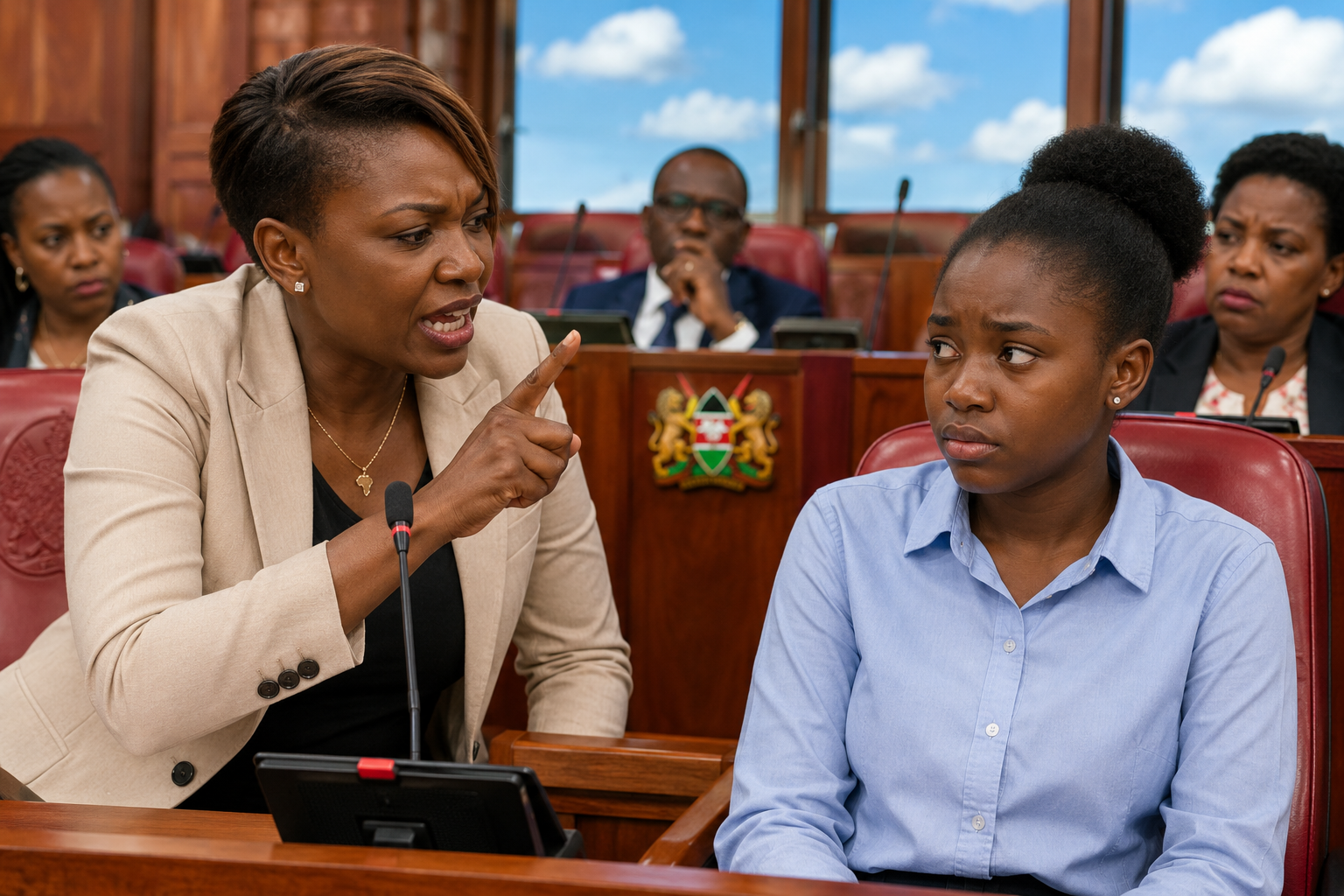
Seeing nominated Senator Karen Nyamu say disgusting remarks towards a teenage girl was a first for me, and I have seen or heard just about everything. For a professional person, a civil servant and a woman to speak in such a degrading manner to a little girl on live television will go down in history as the most vile thing a Kenyan woman could do in Parliament. There is simply no excuse that could justify the kind of language and thoughts a grown woman would possess towards a little girl.
She was forced to apologise, saying, “I acknowledge that the utterances were inappropriate and fell short of the dignity, decorum and respect expected of a state officer”, but disowned and disputed the statement before reading it, which implied a lack of remorse.
It was as if the senator believed she was in her kitchen, gossiping with her closest aides about a peer. Watching her non-apologetic apology made me angry. I couldn't help but wonder at the type of leader this woman is to other women who work for her or in close proximity to her.