The opposition has stepped up efforts to conclude a coalition agreement and settle on a formula for picking its presidential flagbearer for the 2027 General Election.
The Star has established that think tanks and technical teams appointed by the opposition leadership have made significant progress in drafting the coalition framework.
The experts were tasked with building the alliance and designing structures to keep the coalition united throughout the election period.
A member of the technical team said a draft report has already been prepared but has not yet been presented to the principals after they postponed a planned retreat.
"The team has been working on coalition building. There is a draft report, but we could not proceed because the principals cancelled the retreat," the source said.
The source added; "So, we are continuing to refine the report before it is submitted."
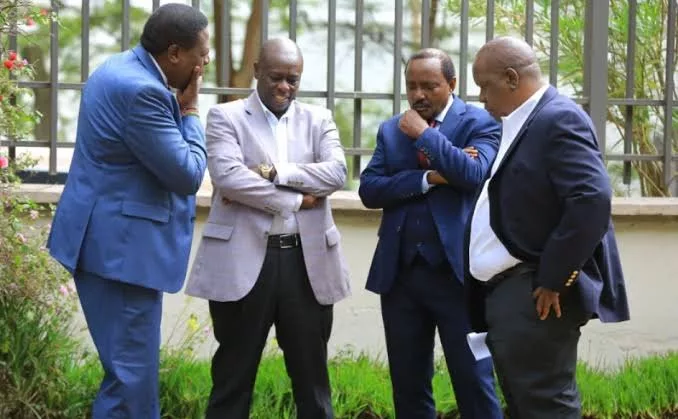
Makueni Governor Mutula Kilonzo Jr confirmed that a technical team is actively working on the coalition framework.
He, however, said the discussions remain highly sensitive because of competing political interests.
"I know there is a team working. I may not disclose the members of that team, but it is true they are meeting. There is no report so far. It is a delicate matter because you have to balance many interests. The final report will be taken to the principals," Mutula said.
United opposition spokesperson Mukhisa Kituyi also confirmed that several committees are handling different aspects of coalition formation.
"At least three teams are working on different things, but they are yet to conclude. They are working on policy, methods of picking a candidate and many other things," Kituyi said.
The document is expected to provide a roadmap for the alliance, including its governance structure, branding, campaign organisation and the process of identifying a single presidential candidate.
According to sources familiar with the process, the postponement has given the experts more time to fine-tune the proposals and build consensus on contentious issues before the document is presented to the political leadership.
The coalition hopes the framework will help prevent the disputes that fractured previous opposition alliances, where disagreements over leadership and power-sharing emerged after candidates had already been picked.
Instead, the current process seeks to establish agreed rules before settling on the presidential ticket.
The revelation comes amid growing public debate over who should fly the opposition flag and concerns that premature endorsements could derail delicate negotiations among the coalition principals.
Even before the report is completed, signs of unease have started to emerge.
The coalition has recently been rocked by reports of an alleged boardroom deal to settle on a presidential candidate, triggering sharp reactions from some of the principals and their allies.
On Sunday, Democratic Party leader Justin Muturi publicly declared that he would support Wiper leader Kalonzo Musyoka if he does not secure the coalition ticket.
"If I'm not selected as the presidential candidate, the only other principal in the united opposition I can support is Kalonzo. Let's stop beating around the bush," Muturi said.
His remarks came days after Kalonzo suggested that Democracy for Citizens Party leader Rigathi Gachagua had backed his presidential bid.
The endorsements have fuelled speculation that Kalonzo is emerging as the leading contender for the opposition ticket.
The claims have, however, attracted resistance from leaders who insist the coalition must adhere to a transparent and agreed selection process.
People's Liberation Party leader Martha Karua warned against allowing a few leaders to decide the coalition's presidential candidate behind closed doors.
"There has to be an agreed methodology, not the whims of one or two people. Decision-making must be collegial, not dictatorship. Structure and rules first. Otherwise, it becomes the rule of the jungle," Karua said.
Jubilee deputy party leader Jeremiah Kioni echoed those concerns, saying the opposition risks undermining public confidence if it settles on a candidate through private negotiations.
"Any person that the opposition picks must be identified by the people. We don't want a boardroom decision that may pick a person who does not fit the bill," Kioni said.
While maintaining that he has no objection to Kalonzo's presidential ambitions, Kioni insisted every aspirant should be subjected to the same transparent process.
"Gachagua supports Kalonzo. I support Matiang'i. We are not just picking a person to remove Ruto. We are picking a person who will transform our country. That person cannot be picked in the boardroom," he said.
According to sources, the technical committee has gone beyond preparing a coalition agreement.
The team has reportedly proposed a coalition name, drafted a constitution, developed branding materials and suggested campaign colours.
It has also outlined the structures that will manage the alliance during the campaign.
The proposed structure includes committees on communications, campaign strategy, resource mobilisation, legal affairs and election logistics.
Sources said each committee could be chaired by one of the coalition principals to ensure every leader has a clearly defined role in the alliance.
The experts have also developed possible formulas for identifying the coalition's presidential candidate.
Although several options are understood to be under consideration, insiders say the final decision will rest with the coalition principals once the report is presented.
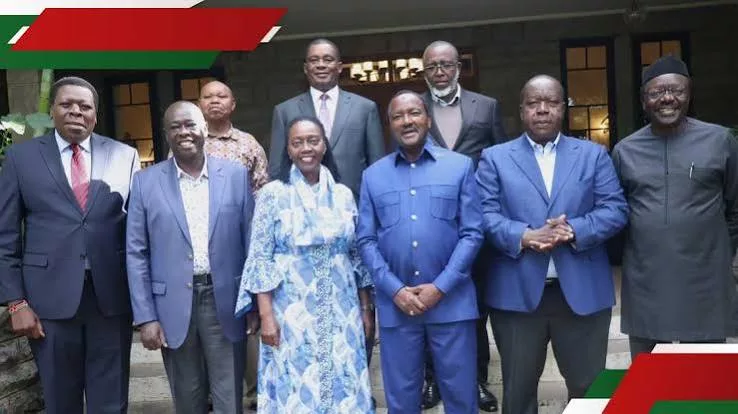
The coalition brings together Kalonzo, Gachagua, former Interior Cabinet Secretary Fred Matiang'i, Democratic Action Party-Kenya leader Eugene Wamalwa, Muturi and Karua.
The alliance has positioned itself as the main political vehicle to challenge President William Ruto in the next General Election.
Earlier this year, Wamalwa disclosed that the coalition planned to hold a retreat to agree on its structures before its official launch.
"As a coalition, we are going for a retreat to set our structures, form our committees, agree on the name of our coalition and settle on the formula for picking our flagbearer," Wamalwa said.
Political analysts say the technical teams face a delicate balancing act as they attempt to accommodate regional interests, party strengths and the ambitions of individual leaders without triggering divisions.
They argue that while agreeing on a coalition name and organisational structure is important, the biggest challenge will be persuading unsuccessful contenders to rally behind the eventual flagbearer.
The coalition's ability to maintain unity after naming its presidential candidate is expected to determine whether it can mount a formidable challenge against Ruto.

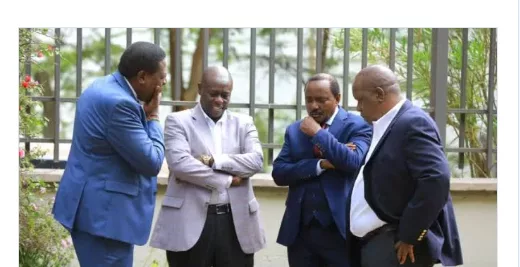
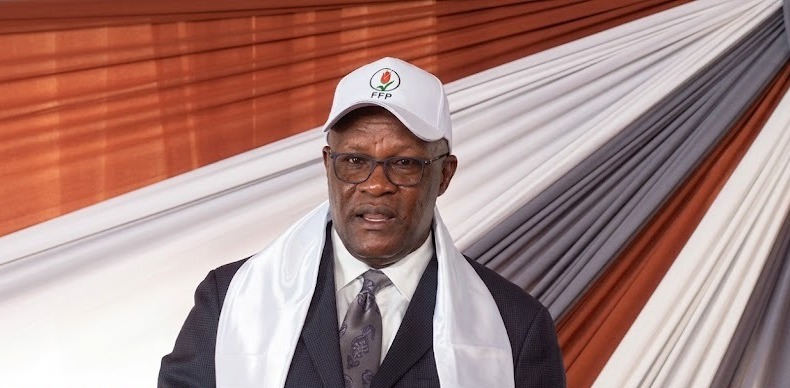
 United Opposition leader/HANDOUT




![[PHOTOS] UHC staff protest contract renewal delays](https://cdn.radioafrica.digital/image/2026/07/24d38f7f-4dbd-42e5-8810-61f3c56490b3.webp)