

South Africa is one of the most beautiful countries in the world. The vastness of the country makes the country unique in that every region has its own landscape and climate. Really, the country is so vast that it has three capital cities, two other countries inside of it and the magnificent luck of having two oceans meet at the tip of the land mass.
As a student in South Africa, I made my first European trip from there and was massively disappointed in the continent. At that moment, I realised some African countries are far superior than some European countries.
Beyond its beauty, South Africa’s education is top-tier and the food is incredible. But the locals are some of the worst people I have ever met. The irony is that they believe they are far better off than any other person from another African country. However, they willingly embrace the colonialist hierarchy of Africans being at the bottom of the food chain.
Even as a foreign student, I had to answer the disturbing question in every application form that asked me to tick my race: Afrikaans, White, Coloured, Black, Cape Malay, Indian or other.
Your whole existence is tied to your race. I had a whole professor spending over 30 minutes trying to figure out how I looked like me if one of my parents is not white. For a country that claims to be a rainbow nation, I believe I have never seen such divisive identity politics in all my years of travelling.
When you come into a country that has its own problems like this, the chances of them projecting their anger towards foreigners becomes more. Xenophobic attacks in South Africa are so common that they have been occurring almost yearly over the last two decades. The anger of the locals, mostly from black South Africans, is targeted towards foreigners of African origins.
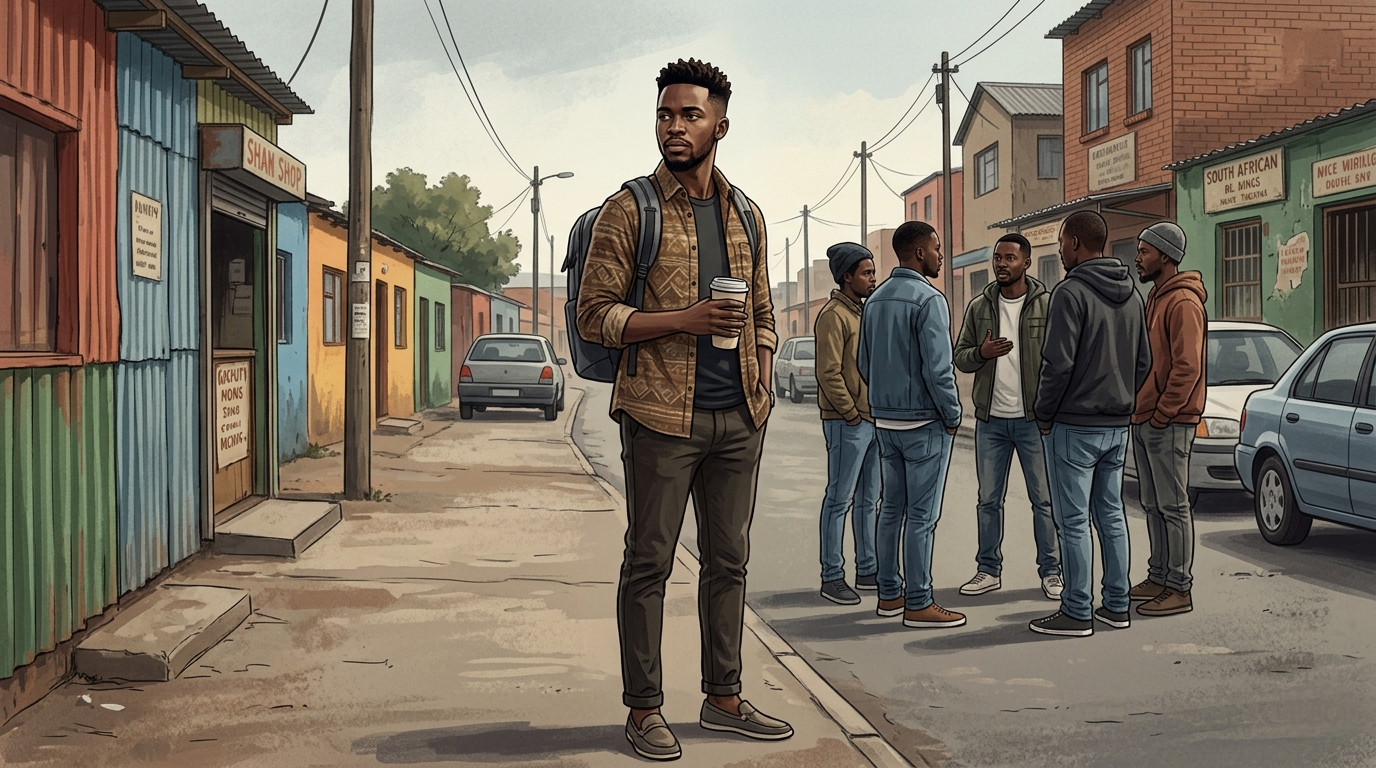
These attacks often occur in townships with higher concentrations of persons living with economic disadvantages. What they don't talk about is that there is a whole welfare system designed to help the poor. They receive multiple benefits from the government and physical cash payouts every first of the month.
There would be long lines at the shops on such days, with people coming into town from farms and townships to receive the money from the designated cashiers. Medical aid is also free for all South Africans in government hospitals. Black South Africans are allocated the majority of the scholarships from the government, but somehow have the lowest university graduation turnout. Did you know the pass mark to pass high school in South African public schools is 30 per cent?
The socioeconomic layout in South Africa is divided into literal physical stratas that segregate the people according to race. The citizens have lived for so long in this broken colonial system that they don't know any better. Even though they realise that the system is broken, they misdirect their anger to foreigners who were either brought there by slavery or as refugees. Some are economic migrants searching for greener pastures.
Anti-immigration sentiments have become popular all over the world. The Americans are taking stricter measures against immigration, Canadians have been deporting Indians by the planeload and Germans are discussing repatriating 80 per cent of the Syrian refugees who were granted asylum during the war.
It is, therefore, not surprising to see South Africans protesting against immigrants. The only difference is the brutality and force they use on African foreigners. The worst part is that law enforcement doesn't take action because they don't like the kwere kwere either.
The glaring fact is that the protesters do not give this energy to protest against European settlers, who own a majority of the farmland, and European expats, who have bought out the entire coastline real estate. The anger is directed only to poor foreigners from other African countries.