ADHERE: African nations must quickly diversify global partnerships
They must leverage their growing market potential, demographic dividend and strategic resources to negotiate from a position of strength.
by CAVINCE ADHERE
Audio By Vocalize
The
landscape of international development is undergoing a profound shift,
prompting nations across Africa to urgently re-evaluate their traditional
alliances. Recent trends in United States’ foreign policy, marked by
unilateralism, transactional approaches and a retreat from multilateral
frameworks, present significant challenges and uncertainties for developing
nations.
This new reality necessitates a strategic pivot by African countries
toward diversifying their partnerships, with a focus on engaging with actors
whose models prioritise tangible infrastructure, diplomatic consistency and a
stated commitment to non-interference.
A
series of recent US actions have eroded the predictability and reliability long
associated with Western-led development partnerships. Top among these is
unilateralism and military interventionism.
This posture, exemplified by attack
on Venezuela and threats to take Greenland, reinforces a historical pattern
where geopolitical objectives can override sovereignty and destabilise regions.
The operation, which was a clear violation of international law and Venezuelan
sovereignty, was justified under the guise of narco-terrorism charges, yet
focused heavily on securing oil resources.
For Africa, this sets a dangerous
precedent. Many African countries are rich in natural resources like oil,
minerals and rare earths, which are vital to global powers. If the US is
willing to intervene militarily in Latin America for resource control, similar
actions could threaten African sovereignty.
Last
week, the US withdrew from 66 international organisations, including 31 UN
entities such as UN Women, the UN Population Fund and the UN Framework
Convention on Climate Change. The move signals a diminished US commitment to
the global institutions that provide smaller nations with a platform and a
rules-based framework. This weakening of multilateral systems leaves African
countries with fewer diplomatic avenues to advocate for their interests on a
level playing field.
Additionally,
the significant cutting of aid, including to crucial global health initiatives
and direct support for African nations, reflects a move toward a more
conditional, America First aid architecture. Development assistance becomes
unpredictable, often tied to immediate political compliance rather than
long-term, mutually agreed development goals. This jeopardises vital programmes
in health, agriculture and education.
The
above case studies collectively paint a picture of a partnership that can be
volatile, subject to domestic political swings, and increasingly indifferent to
the multilateral consensus. The appeal of partnerships with other powers therefore
becomes clearer.
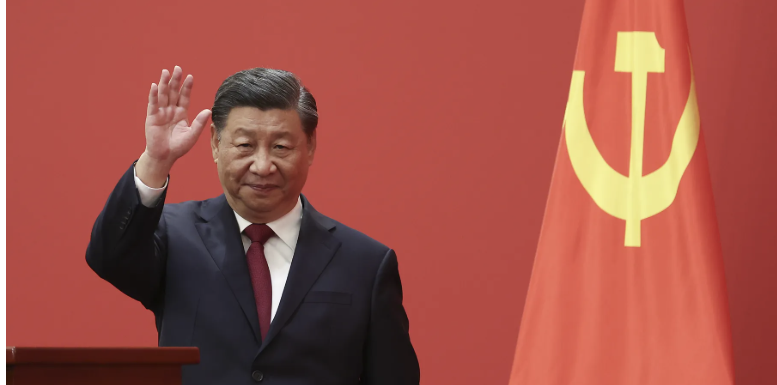
Beijing’s
engagement with Africa, for instance, while not without its own criticisms, is
a total contrast to what Washington brings to the global south. Instead of
withdrawing from existing multilateral platforms, China is proposing more
pathways of international cooperation through a suit of global initiatives.
The
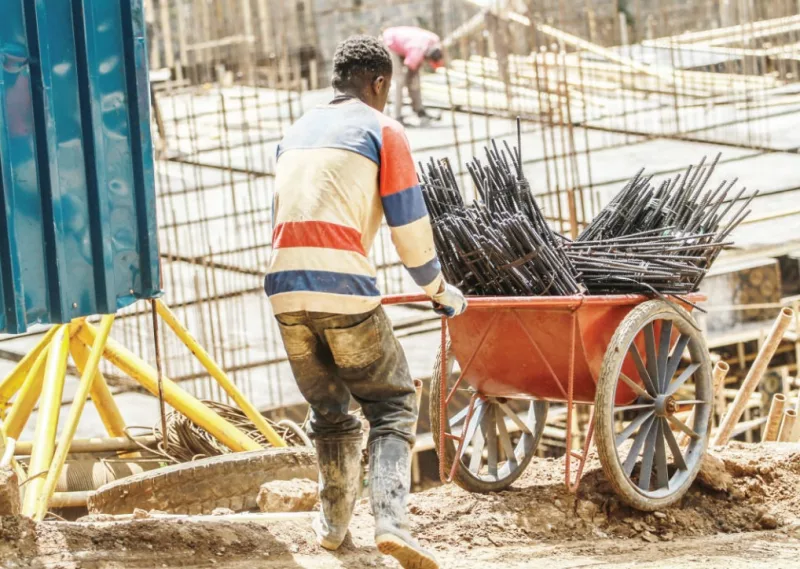
Belt and Road Initiative, for example, directly addresses Africa's most cited
development bottleneck: infrastructure deficit. Ports, railways, roads, and
energy projects, funded through Chinese loans and built by Chinese companies,
offer a tangible, fast-paced model of physical development that aligns with
many African governments' immediate priorities.
Secondly,
China’s foundational foreign policy principle of not interfering in the
domestic politics of partner states is powerfully attractive to leaders wary of
governance conditionalities tied to Western aid. It offers a partnership framed
on bilateral sovereignty and economic pragmatism.
The
goal for African nations should however, not be a simplistic switch from one
hegemon to another, but a calculated and sovereign diversification of partnerships
to maximise development autonomy.
The
lesson is to avoid over-reliance on any single partner. The shifting US stance
is a stark reminder of the vulnerabilities of dependency. African countries
must leverage their growing market potential, demographic dividend and
strategic resources to negotiate from a position of strength, setting their own
terms and agendas.
Secondly,
Africa must actively negotiate from a unified position. Strengthening
intra-African cooperation through the African Continental Free Trade Area and
regional blocs is crucial. A more integrated continent can negotiate better
terms with all external partners, whether the US, China, the EU, India, or
Turkey; ensuring partnerships serve African-defined priorities like technology
transfer and local job creation.
The
recent trajectory of US foreign policy shifts serves as a catalytic wake-up
call. It underscores that traditional development partnerships are not
immutable and can be withdrawn or altered unilaterally. The path forward lies
in strategic pragmatism.
By consciously diversifying international alliances,
and negotiating with all partners based on clear, sovereign interests, Africa
can reduce vulnerability and chart a more self-determined development course.
Engaging
with more responsive partners like China is one part of this crucial
rebalancing act; not as an ideological shift, but as a necessary strategy for
building a resilient and autonomous future in an unpredictable world.
This is premium content
Subscribe to Continue Reading
Help us continue bringing you unbiased news, in-depth investigations, and diverse perspectives. Your subscription keeps our mission alive and empowers us to provide high-quality, trustworthy journalism. Join us today to make a difference!