When our lawmakers do
something commendable, it's worth shouting about, just as much as we do when
things go wrong. Just this week in Parliament, MPs raised the issue of the
uncontrolled selling of school uniforms by schools and vendors, questioning the
CS of Education and demanding a strict school uniform policy.
According
to a recent report, National Assembly Majority leader Kimani Ichung'wah has raised sharp
criticism of school administrations who are turning uniforms and lunch levies
into punitive tools, saying learners are being sent home for failing to meet
these requirements. On Wednesday, MPs questioned why some schools continue to defy
a presidential directive requiring them to admit learners even without official
uniforms.
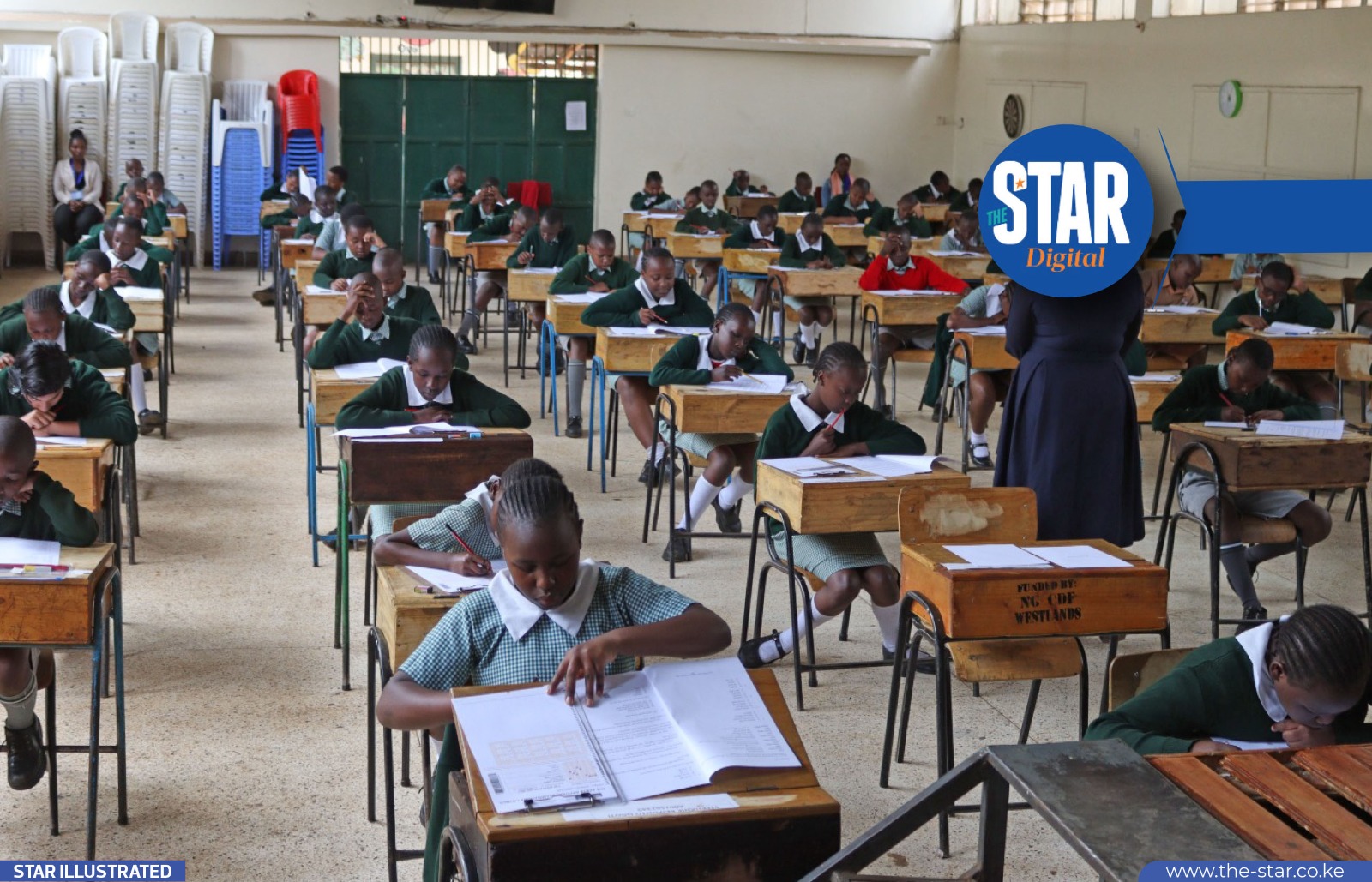
The uniform fiasco is a
common narrative happening in mostly high schools, and also private primary
schools all over the country. Failure to comply to strict uniform policies,
unaffordable to some parents, can lead to student punishments or them even
being sent home, but to what extent should schools enforce this, in light of most
Kenyans coming from very unequal backgrounds?
The debate has always
been on whether to have uniforms or not. But the debate should be more on how to
make school uniforms as basic as possible. How do countries with basic uniforms
or no uniforms operate? The question we should ask first is where did we get
the uniform idea? What was the initial concept and how has it morphed into
something that parents of some schools are spending more on than even the
school fee they are supposed to pay for a year?
The idea of school
uniforms in Kenya traces back to United Kingdom colonial rule, where uniforms
were used in British schools to promote discipline, equality and identity.
When
the British established formal education systems in Kenya, they introduced
uniforms as part of this structure. It was relatively basic, standard clothing
to reduce visible class differences and instil order.
Over time it became a
deeply rooted tradition in Kenyan schools, with many schools having school
uniforms as basic as possible, and this idea of having basic affordable
uniforms has always promoted discipline, equality and a good sense of identity.
In the past 10 years or
so, this concept has changed significantly, with unhealthy competition among
some schools and a growing need for a stronger sense of identity.
What was once
simple and functional has, in some cases, become commercialised and exclusionary,
placing undue pressure on parents already navigating economic hardship.
It is therefore
encouraging to see our lawmakers stepping in to address this growing concern.
When the advocacy for good policy responds to the real lived challenges of many
Kenyans, it deserves recognition.
The right to education, enshrined by our
constitution, the SDGs among others, should not be hindered by preventable
barriers like costly uniforms.
There is a clear need to
harmonise school uniform requirements across the country, including the control
of pricing decisions by tailors and vendors ensuring they remain basic,
affordable and inclusive.
A stronger, enforceable policy will protect learners
from discrimination and keep schools aligned with the original purpose of
uniforms: equality and belonging. When our lawmakers do something commendable,
it is worth saying so just as loudly as we critique them when they fall short.




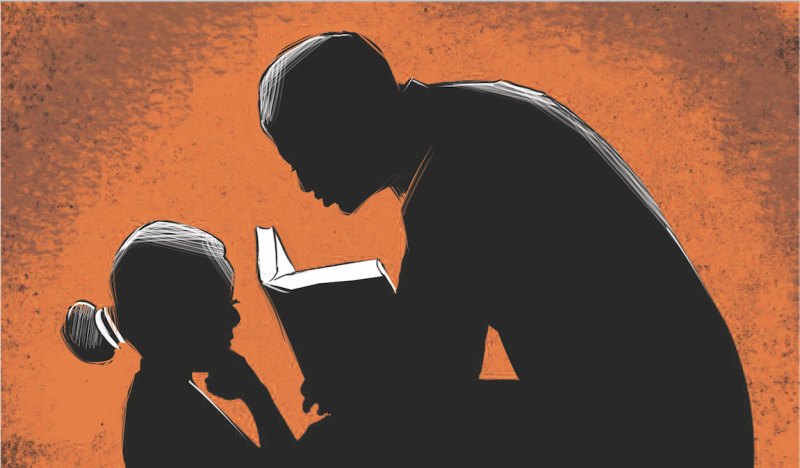
 The uniform fiasco is a common narrative happening in mostly high schools, and also private primary schools all over the country /FILE