There comes a time when a people must look honestly at their
circumstances and ask difficult questions.
For the people of the Coast region,
that time is now. Why does a region that contributes immensely to the national
economy continue to lag behind in major government investments? Why are
critical infrastructure projects at the Coast delayed for years, sometimes
decades, while similar projects elsewhere are implemented with remarkable
speed? Why do coastal residents continue to encounter discriminatory
administrative practices that have long been abandoned in other parts of the
country? Most importantly, why does it often feel as though the Coast is
expected to settle for less than what other Kenyans rightfully receive?
These are not questions born out of bitterness. They are questions
born out of lived experiences. For decades, the Coast region has carried the
burden of historical injustices, economic exclusion and political marginalisation.
Successive governments have acknowledged these challenges, promised corrective
measures and assured residents that their concerns would be addressed. Yet
despite these promises, many of the same patterns persist today.
While other
regions witness the rapid implementation of transformative projects, the Coast
is too often left waiting, explaining and hoping.
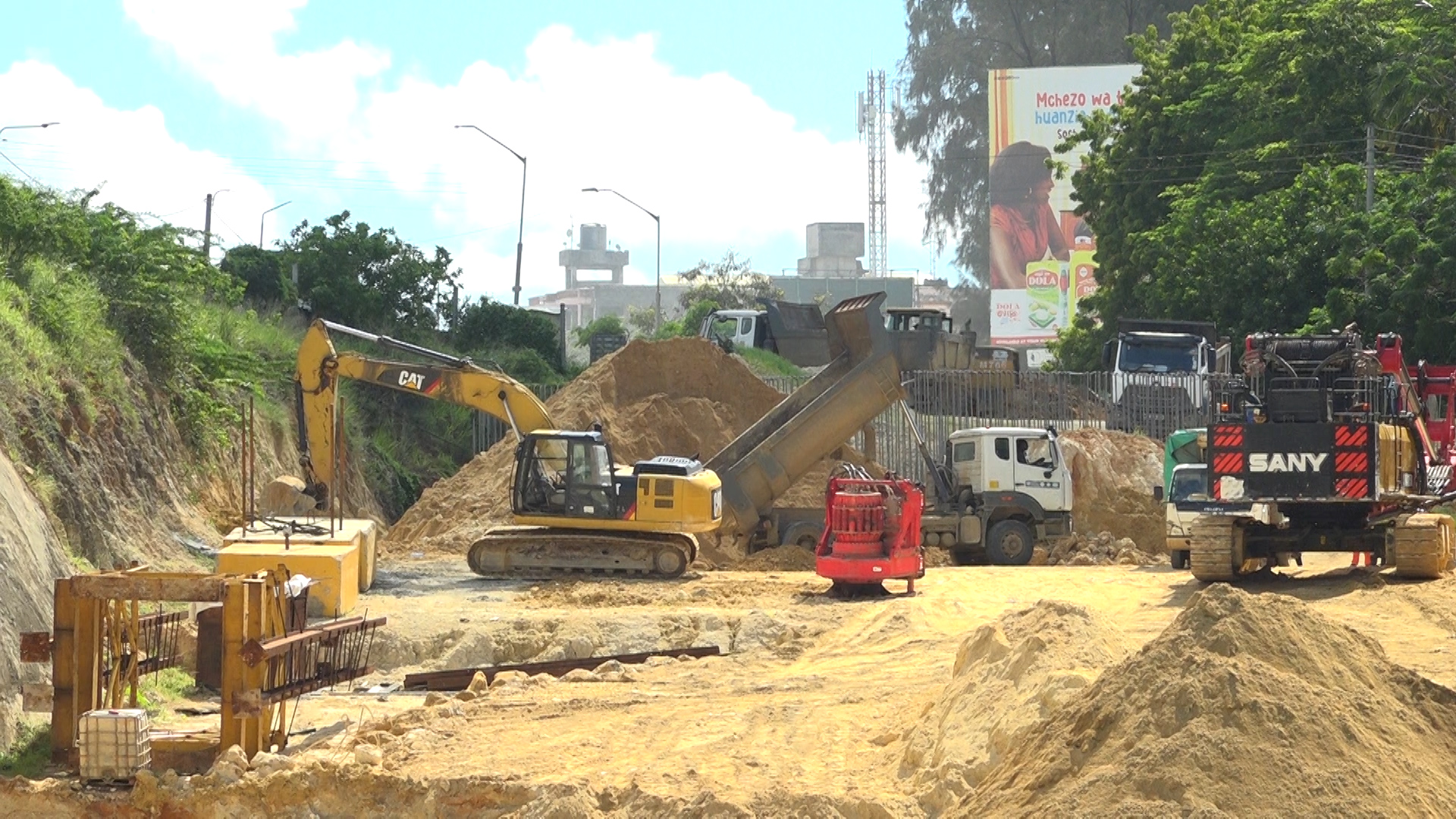
Nothing illustrates this reality more clearly than the long promised
Likoni gate bridge. For years, residents of Mombasa and the wider Coast region
have been told that a permanent solution to the challenges of crossing the
Likoni channel was finally on the horizon.
According to information published
by the Ministry of Transport, the project was expected to commence in January
2024 and take about 36 months to complete.
The bridge, estimated to cost about Sh100
billion, was presented as a game changing investment that would ease
transportation challenges, boost economic activity and restore dignity to
thousands of commuters who rely on the crossing every day.
Today, however, as the completion period approaches, there is no
bridge. Instead, coastal residents are being told that what may eventually be
provided is a ferry estimated to cost about Sh3 billion.
This dramatic shift raises
serious questions about the government’s commitment to the project and more
broadly, its commitment to the people of the Coast. How does a region move from
being promised a world-class bridge to being offered yet another ferry? Why are
coastal residents expected to celebrate a substitute when they were promised a
permanent solution? If a similar promise had been made elsewhere in the
country, would citizens have quietly accepted such an outcome?
The story is strikingly similar when one examines the Nyali Bridge-Mtwapa
Road project. This is a road stretch of roughly 20km, yet construction has
dragged on for more than seven years! During this period, residents,
businesses, tourists and transport operators have endured endless traffic jams,
delays, dust, accidents and economic losses.
The prolonged nature of the
project has become so normalised that many have stopped questioning it
altogether. Yet when one compares this experience with major road projects in
other regions of Kenya, the contrast becomes impossible to ignore.
Across the
country, roads spanning hundreds of kilometres are designed, financed and
completed within timelines far shorter than those witnessed on this relatively
short stretch at the Coast.
The issue is not that other regions are receiving development.
Every Kenyan region and county deserve roads, bridges, hospitals and schools.
The issue is whether all regions are receiving equal attention and equal
urgency. Development should never be a competition between communities.
However, it becomes difficult to ignore the glaring disparities when some
projects appear to move at lightning speed while others remain trapped in
endless delays.
Perhaps no example better captures this disparity than the
situation surrounding Mombasa Stadium. For years, residents have listened to
promises regarding the construction and completion of a modern stadium.
Government officials have repeatedly assured the public that progress would be
made and that the facility would soon become a reality. Yet despite the
announcements and public commitments, there has been little visible progress on
the ground.
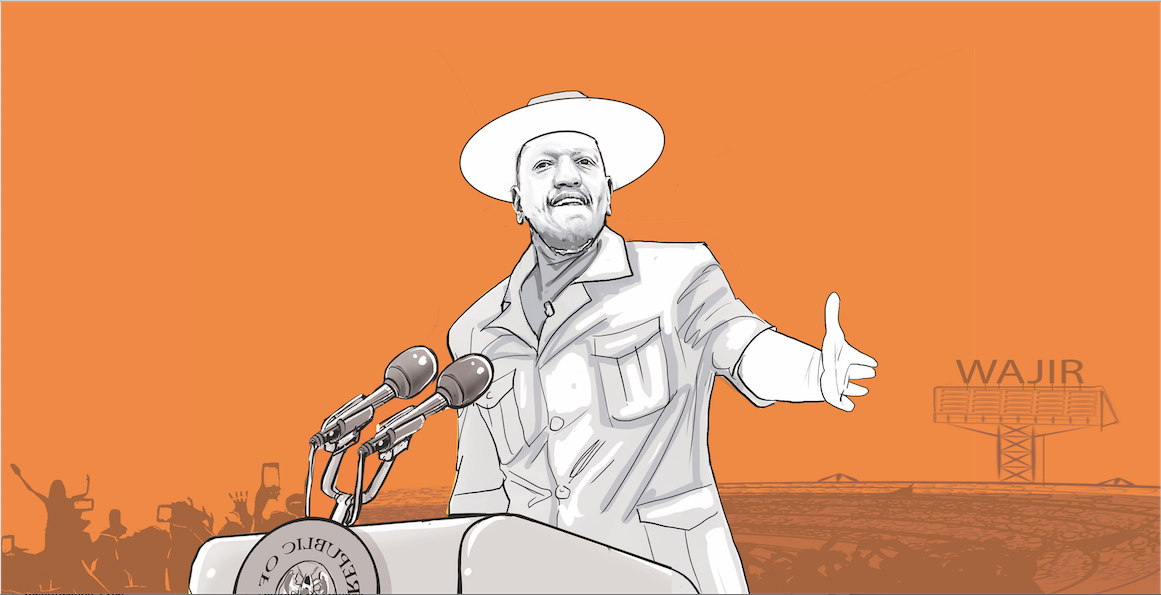
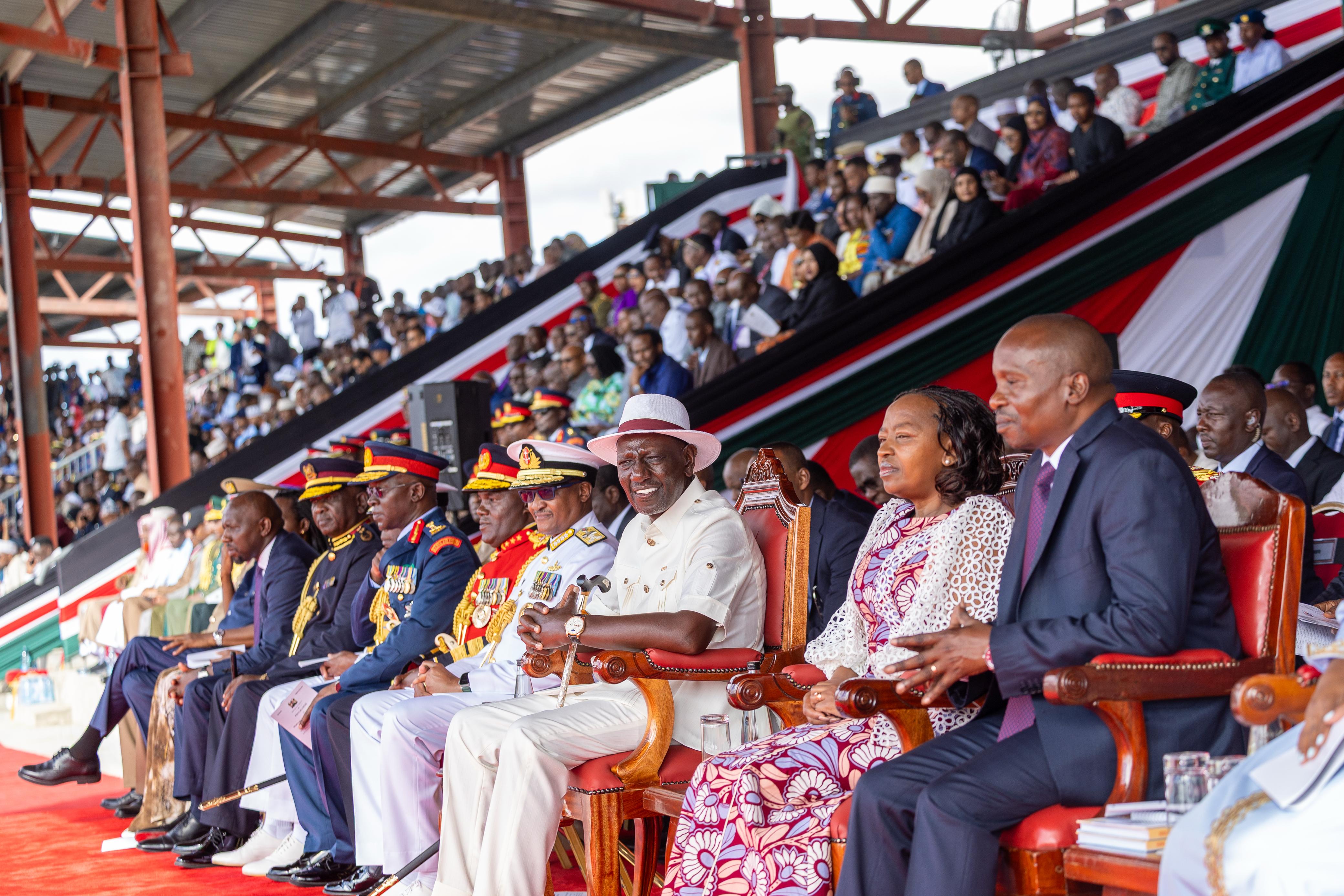
Meanwhile, in February, residents of Wajir were promised a
stadium. By June, the facility had been completed and even hosted national Madaraka
Day celebrations.
The people of Wajir fully deserve that development and their
achievement should be celebrated. However, the speed with which that project
was completed naturally raises questions among coastal residents who have
waited years for similar commitments to materialize. Why should one region move
from promise to completion within months while another remains trapped in
perpetual anticipation?
The sense of unequal treatment extends beyond infrastructure. For
many years, residents of the Coast have complained about discriminatory vetting
processes in the issuance of national identity cards and passports.
While in
all other parts of the country, including Northeastern, Kenyans now obtain
these essential documents through ordinary administrative procedures, here at
the Coast, communities continue to face additional scrutiny and requirements.
Young people seeking identification documents still encounter delays, demands
for extra documentation and processes that effectively force them to prove
their citizenship in ways that other Kenyans are rarely required to do.
Such practices are not merely inconvenient. They are fundamentally
inconsistent with the values enshrined in Kenya’s constitution. Article 27
guarantees equality and freedom from discrimination, affirming that every
person is equal before the law and entitled to equal protection and equal
benefit of the law.
When certain communities consistently experience barriers
that others do not, legitimate concerns about discrimination inevitably arise.
Citizenship should not depend on geography, ethnicity, religion or family
history. Every Kenyan deserves equal treatment from the State.
The tragedy is that the Coast possesses enormous potential. It is
home to Kenya’s main seaport, world renowned tourism attractions, a vibrant
blue economy, strategic transport corridors and a youthful population capable
of driving economic growth.
With sufficient investment and political
commitment, the region could become one of the most prosperous parts of the
country. Yet despite these advantages, public investment has often failed to
match the region’s contribution to the national economy.
However, while national governments must shoulder much of the
responsibility for this state of affairs, coastal leaders cannot escape
accountability. Too often, leaders from the region have accepted promises
instead of demanding implementation.
They have celebrated project launches
while remaining silent about project delays. They have failed to speak with one
voice on matters affecting the welfare and development of the people they
represent. In many cases, political loyalty has taken precedence over effective
advocacy for the region.
The Coast is not a step child of Kenya neither are coastal people
second class citizens. They are Kenyans who contribute to the nation’s
prosperity, pay taxes, participate in democratic processes and uphold their
responsibilities as citizens.
They are therefore entitled to the same respect,
opportunities and development enjoyed by all other Kenyans. The time has come
for the Coast to demand nothing less than full equality, full inclusion and its
rightful share of national development.