Over
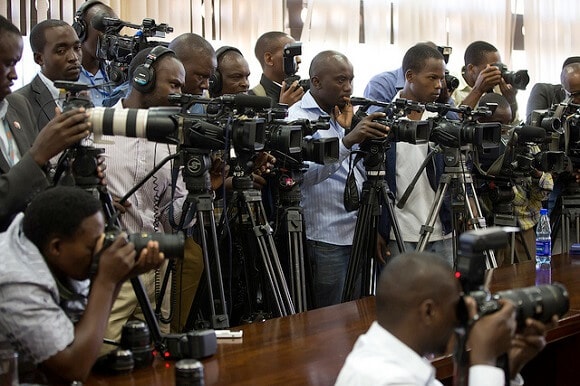
the years traditional media in Kenya and Africa in general has taken the front
seat in fuelling collective panic and pessimism.
Traditional media has also
played a big role in informing, educating and communicating a lot of issues,
but the content is more geared towards creating panic, with the key denominator
being negative news.
How is that? Just this week I contemplated on how with the
current political regime, there are fewer power outages, at least where I stay.
The
random blackouts and scheduled blackouts are rare, in fact the power outages in
my area can now be counted per month.
However, should there be a dim story on a
power outage anywhere that makes it to the main news outlets, the story might
be carried with so much weight that it supports the narrative that we were made
to get used to by the previous regime of frequent power outages.
Since
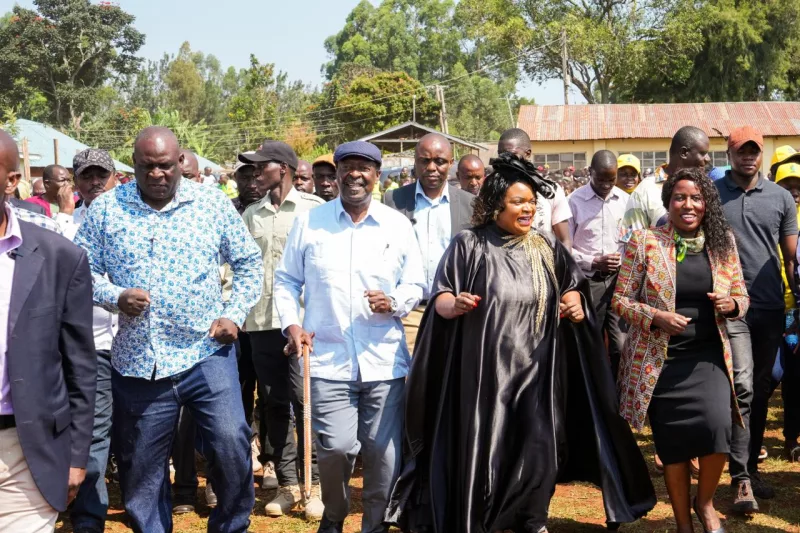
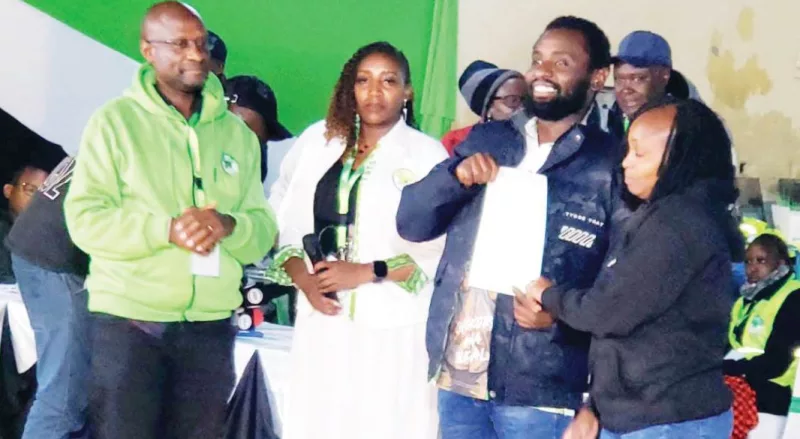
last week, many people in Kenya are still talking about the happenings during
the Ol Kalou by-elections, as sad as the situation on the ground may have been,
the media has helped fuel this political agenda because of constant reporting.
These instances, and many others such as crime, insecurity and poverty, among
others, is how traditional media tends to shape the intense imagination of an
occurrence and panic to the public.
While the media may not dictate what people
think, it significantly influences what they think about by deciding which
issues receive the greatest prominence.
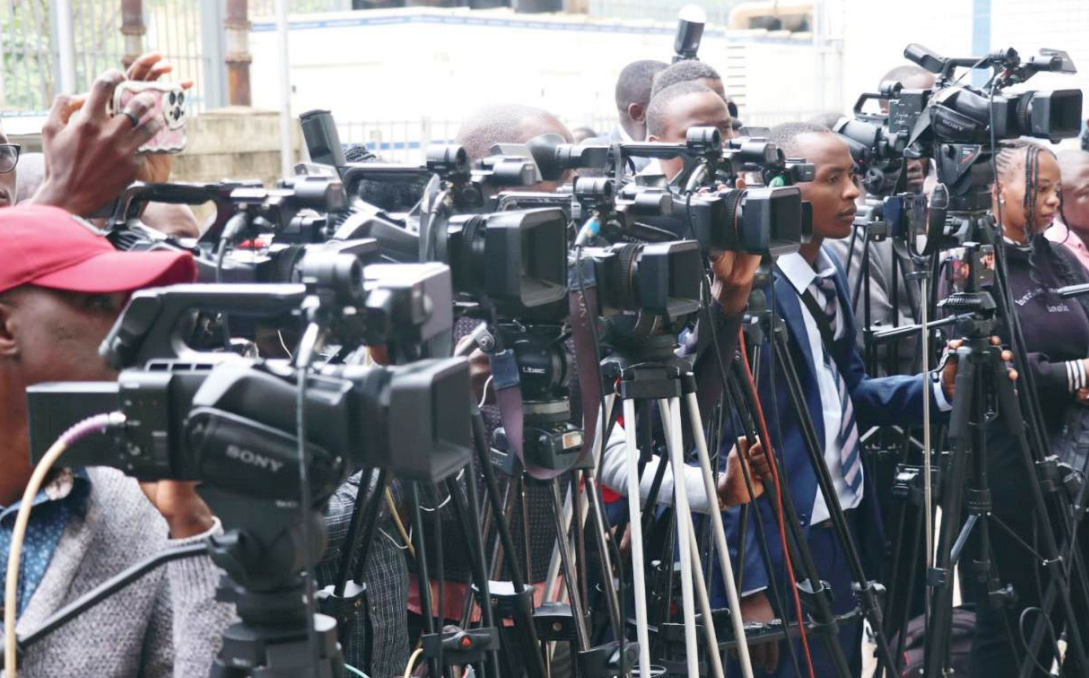
Traditional media in Kenya tends to
dwell so much on political tension. Continuous and repetitive coverage of
political events has over the years unintentionally amplified public anxiety,
deepened political polarisation and has so far managed to divert attention from
other pressing national concerns such as education, healthcare, employment,
innovation, agriculture and climate resilience.
A recent example is the
extensive coverage and analysis of events in Ol Kalou, which to an outsider and
even Kenyans themselves, creates the perception that the country is in a
constant state of crisis, even when many communities just remain peaceful.
Back during former Prime Minister Raila
Odinga’s political campaign days, the media would give full attention to
protests, when Raila protesters, mainly from the low-income areas were
challenged and fights ensued with the police, the political bigwig would appear
in negative light to the rest of the Kenyans.
A lot of the perceptions about
the former PM were formed by the extensive media coverage of the protests
around his campaign.
He was for the longest time branded the ‘lord of poverty.’
Was that the case when he died and was mourned by the entire country? No.
In recent years, the government has sought to
limit the live broadcast of incidents likely to inflame public panic or
violence.
While such measures must always respect constitutional guarantees of
press freedom, encouraging responsible, contextual reporting can help rebrand
Kenya as a stable investment and tourism destination, fostering national
confidence without compromising the public's right to information.
Prioritisation of positive and development-oriented
news stories and documentaries with a lot of data whose knowledge will benefit
many, would also serve diverse audiences across different career sectors.
Entrepreneurs can identify emerging investment opportunities, farmers gain
access to agricultural innovations and market trends, students discover
scholarships, new skill-sets, financial literacy and career pathways,
professionals learn about technological advancements such as artificial
intelligence, while tourists and investors develop greater confidence in
Kenya's economic potential and stability.
This does not mean the media should ignore
important political developments; rather, it should exercise editorial judgment
by providing accurate, contextual and proportionate reporting.
A more balanced
agenda would ensure that political stories are covered alongside constructive journalism
that highlights solutions, development initiatives, economic opportunities and
stories of resilience.
By resisting the temptation to sensationalise conflict
for ratings and instead broadening the national conversation, Kenyan media can
fulfil its democratic watchdog role while also promoting social cohesion,
informed public discourse and national confidence.
Such an approach will enable
Kenyans to remain informed without unnecessarily fuelling fear or panic and
negative perception, agenda citizens indirectly sell out there about their own
country.



![[PHOTOS] Linda Mwananchi takes Trans Nzoia by storm](https://cdn.radioafrica.digital/image/2026/07/0d132395-ad4b-4671-867e-880c9f8144f5.webp)