



Kenya is once again standing at the edge of a familiar promise — the promise of global sporting glory delivered on home soil.
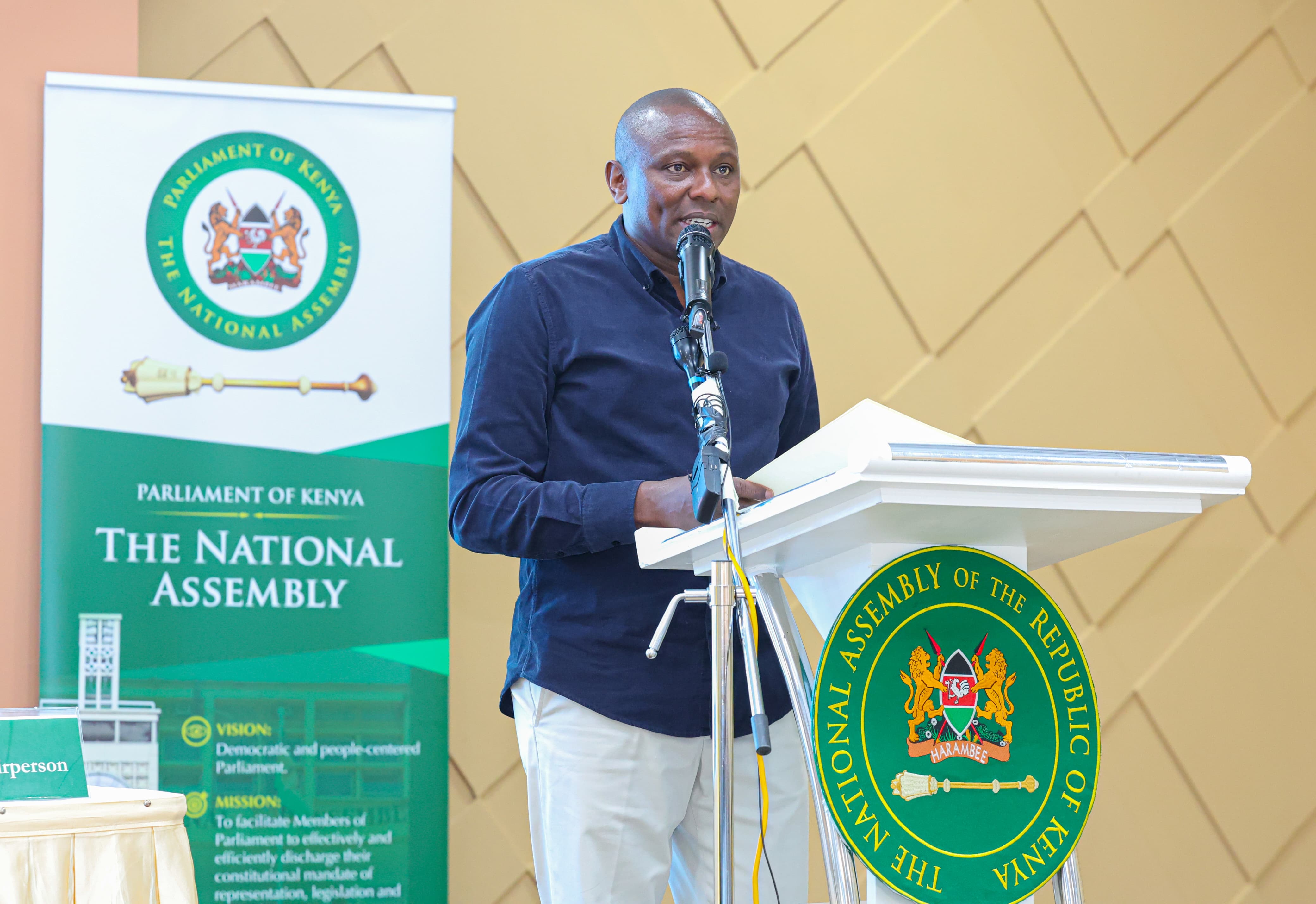
The AFCON 2027 journey, now formally steered through the inaugural National Steering Committee chaired by Sports Principal Secretary Elijah Mwangi, has entered a decisive phase.
The message from the government is bold: Kenya is on track, compliant with CAF requirements, and ready to deliver a “sporting masterpiece.”
It is an encouraging picture. But it is also one that demands urgency, discipline and uncomfortable honesty. By clearing the $30 million CAF hosting obligation, Kenya has made a strong opening statement of confidence, commitment, and administrative readiness.
Too often in the past, East Africa's biggest economy has been accused of dreaming loudly but delivering slowly. This time, the cheque has cleared early — and expectations have risen just as fast. But payment is the easiest part of hosting a tournament. Delivery is the real exam.
At the centre of the preparations is the ambitious Talanta Sports City Stadium, now reportedly at 85 per cent completion. It is a towering symbol of Kenya’s sporting ambition — modern, expensive, and politically significant.
Yet the final stretch of such megaprojects is often the most dangerous. That is where delays hide, costs balloon, and reputations are made or broken.
The same pressure hangs over the long-standing national venues, including Safaricom Stadium, Kasarani and Nyayo National Stadium. Renovation works are ongoing, but the admission that contractor payments had stalled in the past due to pending bills is a warning sign. Kenya cannot afford stop-start construction at this stage. CAF timelines are not flexible, and African football history is littered with hosts who underestimated that reality.
Beyond Nairobi, the decentralisation of infrastructure is a positive development. The rise of regional venues such as Kipchoge Keino Stadium signals a broader vision — one that extends the benefits of AFCON beyond the capital and into the heart of Kenya’s sporting counties.
Equally important are the designated training facilities spread across the country. Venues such as Ulinzi Sports Complex, Police Sacco and Kirigiti Stadium are being prepared to host visiting teams in what will be one of the continent’s most logistically demanding tournaments. This is where Kenya’s ambition quietly becomes either credible or questionable. Modern tournaments are not won by stadiums alone.
They are won by systems — transport coordination, training pitch readiness, security planning, medical response, and hospitality networks that work seamlessly under pressure.
The early signs of a unified management approach among Kenya, Uganda and Tanzania — the “Pamoja” model — are, therefore, a welcome strategic shift. It avoids duplication, reduces rivalry, and presents CAF with a single, coordinated East African command structure. That unity will be tested when pressure rises.
Perhaps the most important question emerging from the AFCON 2027 project is no longer whether Kenya can host, but what Kenya will be left with after the final whistle.
The planned facelift of regional stadiums such as Afraha Stadium and Bukhungu Stadium is where legacy will be judged. Too many African tournaments have ended with gleaming stadiums surrounded by neglected local sports infrastructure. Kenya must resist that pattern if this investment is to outlive the tournament itself.
Yet amid the optimism, shadows remain. Governance tensions within football structures, competing factions, and concerns raised in oversight institutions about procurement transparency continue to hover over the project. These are not distractions — they are risks. No amount of infrastructure progress can fully compensate for administrative instability.
CAF will be watching closely, and so will the continent. With qualifiers set to begin in 2026 and the opening match scheduled for June 19, 2027, the countdown is no longer theoretical. It is operational. Every delay now has a cost. Every decision now has consequences.
The progress reported so far is real and commendable. Kenya is not starting from scratch — it is building from a strong and visible base. But ambition must now be matched with execution at a level that leaves no room for improvisation. AFCON 2027 is not just a tournament. It is a test of national coordination, of political will, and of institutional maturity.
The country is keen on delivering a sporting masterpiece. The real question is whether it can deliver it on time.