Firms keen on importing cooking gas under the planned Open Tender System are concerned that gaps in standards approvals between Kebs and its
licensed global inspection firms is creating confusion in the market.
The latest is the rejection and later approval of a
five-million-kilogramme gas shipment imported by Kilifi-based Tanzanian firm–Lake Gas. This is despite the
shipment having been approved by a Kenya Bureau of Standards appointed
agent–SGS
and issued with a Pre-export verification of Conformity (PVoC).
Clearing and shipment documents seen by the Star show
the product estimated at $2.9 million (Sh381.5 million) from
Saudi Arabia was issued with a PVoC dated September 9, 2025, with tests having
been conducted by SGS Dubai on behalf of the exporter - Energia Trading International
SA at Jeddah Anchorage.
According to the latest KS EAS 1105:2025 Kenya Standard—Liquefied Petroleum Gas, products for
domestic “Shall not contain more than 40 per cent propane when tested.
The cargo was first rejected upon arrival at the Kipevu
Oi Terminal in Mombasa over alleged “safety concerns”, before the standards
body making a u-turn to declare the product fit for the Kenyan market.
“Samples were
drawn from Tank 4 and Tank 2 on 09/09/2025 from the consignment imported by
yourselves .The samples
were tested against specification requirements KS EAS 1105 :2025 KENYA STANDARD. The samples complied with the
requirements of the Standard in the parameters tested,” Kebs’ inspection
manager for Coast region, Hassan Abdikheir, said in a letter dated September 11,
to Lake Gas management.
“Consequently, the consignment in Tank 4 and Tank 2 is
hereby released by Kebs and you are free to offer the product for sale in the
local market," he added.
This was a contradiction from an earlier decision even as Kebs management disowned an earlier letter that had declared
4,075.525 tonnes of butane and 926.473 tonnes of propane unsafe over excess
levels of propane and insufficient butane.
“Kenya
Bureau of Standards assures the general public that the Liquified Petroleum Gas
(LPG) in the market is safe for use. Contrary to reports circulating online
indicating that the Bureau has rejected consignment from Lake Gas Limited, Kebs wishes to inform the public that the said
rejection letter did not originate from Kebs,” it said.
It however noted that a
consignment of LPG from Lake Gas Limited was recently subjected to sampling,
testing and certification.
“Kebs therefore wishes to assure the public that
the LPG from Lake Gas Limited meets the quality standards and is safe for use,” management said.
Sector players however termed the move by Kebs as "contradicting and frustrating" to OMCs.
Supplycor, an independent entity incorporated by the OMCs in Kenya to coordinate activities along the fuel
supply chain, wants Kebs to “put its house in
order”.
A section of OMCs point
to a ploy to frustrate other market players whose dominance is said to have
been threatened by the incoming Open Tender System.
“We cannot have a Kebs licenses inspection
company conduct all the necessary tests, give the approval for shipment then
all of a sudden the cargo is not fit and later approved, this is creating confusion
in the industry,” a top Supplycor director
who is also a CEO of a a leading OMC told the Star, in anonymity
This is the second time Lake Gas is facing hiccups
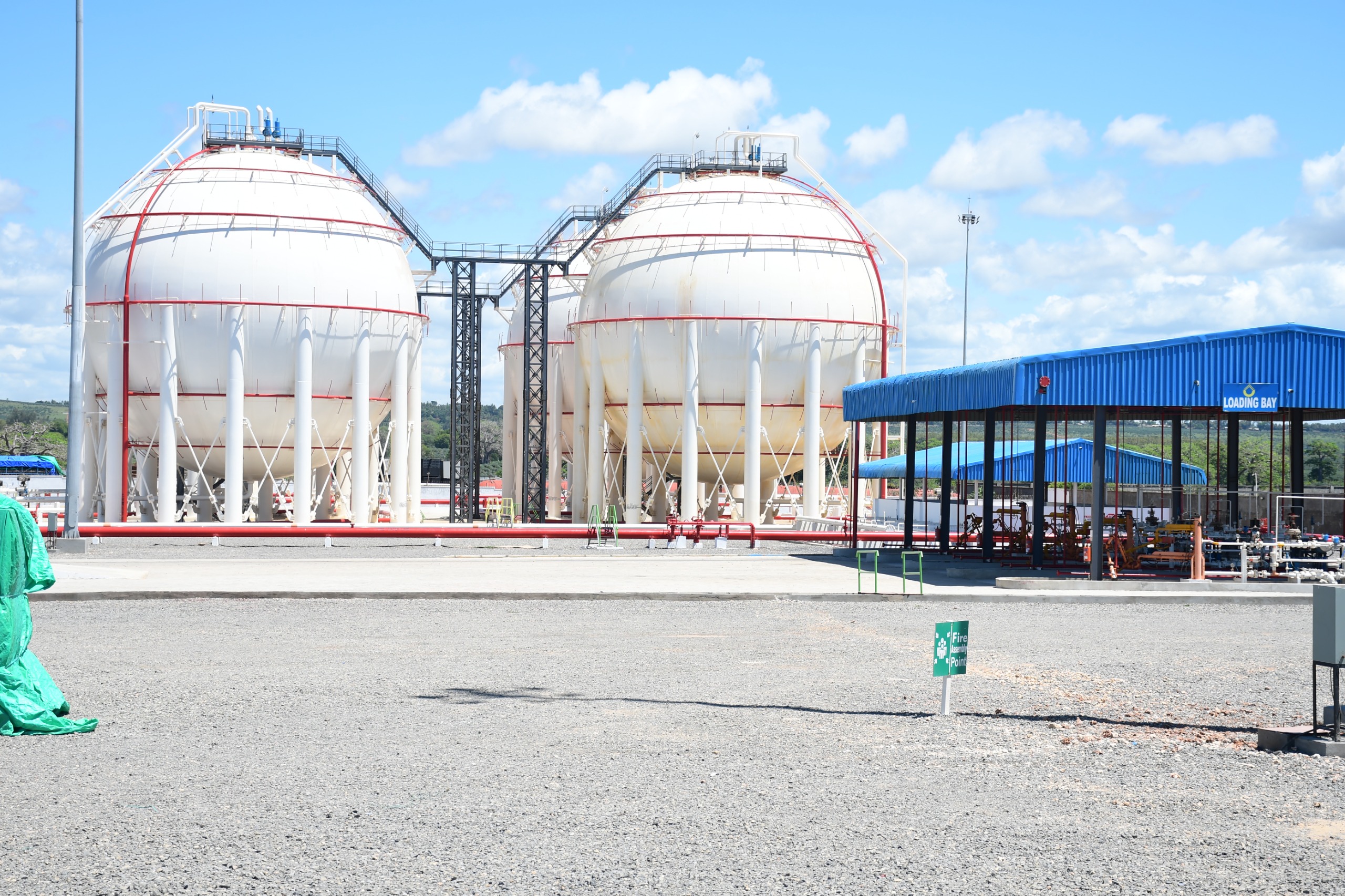
with LPG imports since commissioning its over
Sh10.4 billion
LPG terminal in Vipingo earlier this year.
In June, the facility, which
is being expanded with an additional 15,000 tonnes of LPG
handing capacity, received 11,475 tonnes of LPG from Nigeria aboard MT
Barumk Gas.
“The
current regime has been pushing towards clean energy and we believe this
infrastructure has come at the right time to help the country achieve cleaner
energy,” Lake Gas Limited
general manager Morris Mutiso said.
Entry of the Tanzanian firm and other planned entries into the LPG market is said to have rattled a number of players, among them Mombasa-based African Gas and Oil
Limited (Agol), which has for years handled over 90 per cent of the
cooking gas imported for Kenya.
Lake Gas is targeting both the handling of bulk LPG
imports and the retail market with its facility, the second largest in the
country after Agol’s.
Kenya Pipeline Company and a number of private firms,
including Tanzania's Taifa Gas, are also in the process of setting up terminals
for handling imports of LPG, amid a steady growth in its use.
Consumption last
year was at about 414,861 metric tonnes up from 360,594 metric tonnes in 2023, EPRA data shows.

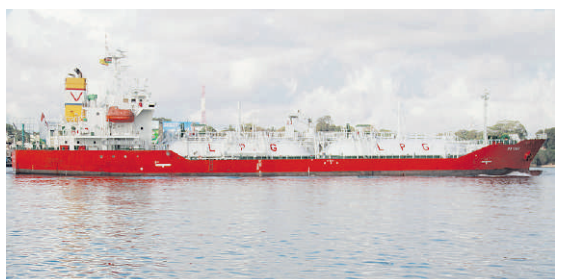 An LPG tanker heads into the Port of Mombasa /HANDOUT