The plan to procure kidney dialysis machines for every county has finally paid off according to the team
that implemented the project.
The project was part of the Managed Equipment Services
(MES), signed in 2015. It brought dialysis machines to 54 public hospitals across the 47 counties at a cost of Sh3.7 billion.
Former Health Principal Secretary Nicholas Muraguri who helped design and
implement the MES programme, teamed up with implementing colleague Dr Ephantus
Njagi and four others to analyse whether the programme actually paid off.
They found that the dialysis component of the MES programme
broke even after six years and from the seventh year, has been
delivering a 19.76 per cent return on investment. However, many
hospitals are not making full use of the dialysis machines, raising questions
about whether the country is getting the best value from the investment.
Before MES fewer than 10 public hospitals had dialysis,
offering below 20,000 sessions in one year. The programme increased the
sessions to nearly 100,000 in one year.
“The MES broke even around month 70 (sixth year), when
cumulative sessions reached 387,711, and by month 71, [NHIF] reimbursements
slightly exceeded the contract cost, with Sh3.76 billion recovered versus Sh3.7 billion spent on the MES contract," Muraguri and his colleagues said.
"The
projected 19.76 per cent return on investment by the end of the 84-month
contract indicates that the MES can generate modest financial gains, but only
under conditions of consistently high throughput.”
Their report has been published in the journal BMC Health
Services Research, under the title "Transforming Hemodialysis Access in
Kenya: A National Assessment of the Managed Equipment Services Model."
MES was launched as a public-private partnership to lease
specialised medical equipment for county hospitals. The wider programme,
covering equipment such as dialysis machines, CT scanners, ICU equipment and
theatre equipment, attracted intense public debate over procurement, costs and
whether counties had been properly involved in the agreements.
The project was later discontinued and rebranded after years
of criticism from governors, Parliament and oversight bodies.
Despite that controversy, Muraguri’s team concluded that
the dialysis part of the programme greatly improved access to life-saving
kidney treatment and was worth it.
They dug through hospital records and machine data from June
2015 to April 2021. In that time, the 54 hospitals carried out 392,497 dialysis
sessions. Monthly sessions grew by 376 per cent, from 2,100 in June 2015 to
10,173 in April 2021.
That trend suggests many Kenyans who
needed dialysis before 2015 could not get it because hospitals near them had no
machines. Once machines arrived, sick people who had been waiting started
treatment right away.
The defunct National Health Insurance Fund, has been
paying hospitals Sh9,570 for every dialysis session. Over 71 months,
this brought in Sh3.76 billion, just above the Sh3.7 billion spent on the machines.
Muraguri and his colleagues projected the programme would earn
Sh4.44 billion in total by the end of its seven-year
contract, giving a return of about 19.76%, or roughly Sh733 million in profit.
The machines are currently earning more because the Social
Health Authority (SHA) reimburses Sh10,650 per haemodialysis session.
Even though the programme reached every county, Muraguri and
his colleagues found that most hospitals are not fully using their machines.
They found that 63 per cent of hospitals ran below half of what their machines
could handle, and one in five hospitals used less than a quarter of their
machine capacity.
"These results show that universal county coverage did
not ensure geographic equity, because allocation decisions were based on
administrative targets instead of needs-based planning," they said.
They argued that giving every county the same number of
machines is not fair, since counties have different populations and different
numbers of sick people.
Just six hospitals, out of the 54, handle nearly half of all
the dialysis sessions done nationwide. The rest share the other half.
Muraguri's team also uncovered a serious problem with how
hospitals kept records. Machines have built-in counters that show how many
hours they worked. But in almost eight out of 10 hospitals, the machine
counters showed far more work done than what was written in the hospital's
paper registers, sometimes by more than 30 per cent.
The MES scheme has faced strong criticism since it began. Senators investigated the project for years over claims that the original Sh38
billion contract was later pushed up to Sh63 billion without proper approval,
and that counties were forced into the arrangement without being consulted.
A Senate report on the matter was thrown out by lawmakers in
2020 after disagreements over its findings. The national government eventually
agreed to end MES and replace it with a new scheme called National Equipment
Support to Counties (NESC).
Instant analysis
The findings reopen debate on one of Kenya's most controversial health investments by separating the dialysis programme from the broader criticisms that dogged the MES initiative. While the study suggests the dialysis component expanded access and ultimately recovered its costs, it also exposes significant inefficiencies in how the equipment is being used. The mismatch between machine capacity and patient volumes, together with weak record-keeping in many hospitals, indicates that financial sustainability alone does not guarantee optimal healthcare delivery. The study reinforces the need for future health investments to combine infrastructure with demand planning, stronger data systems and equitable resource allocation.

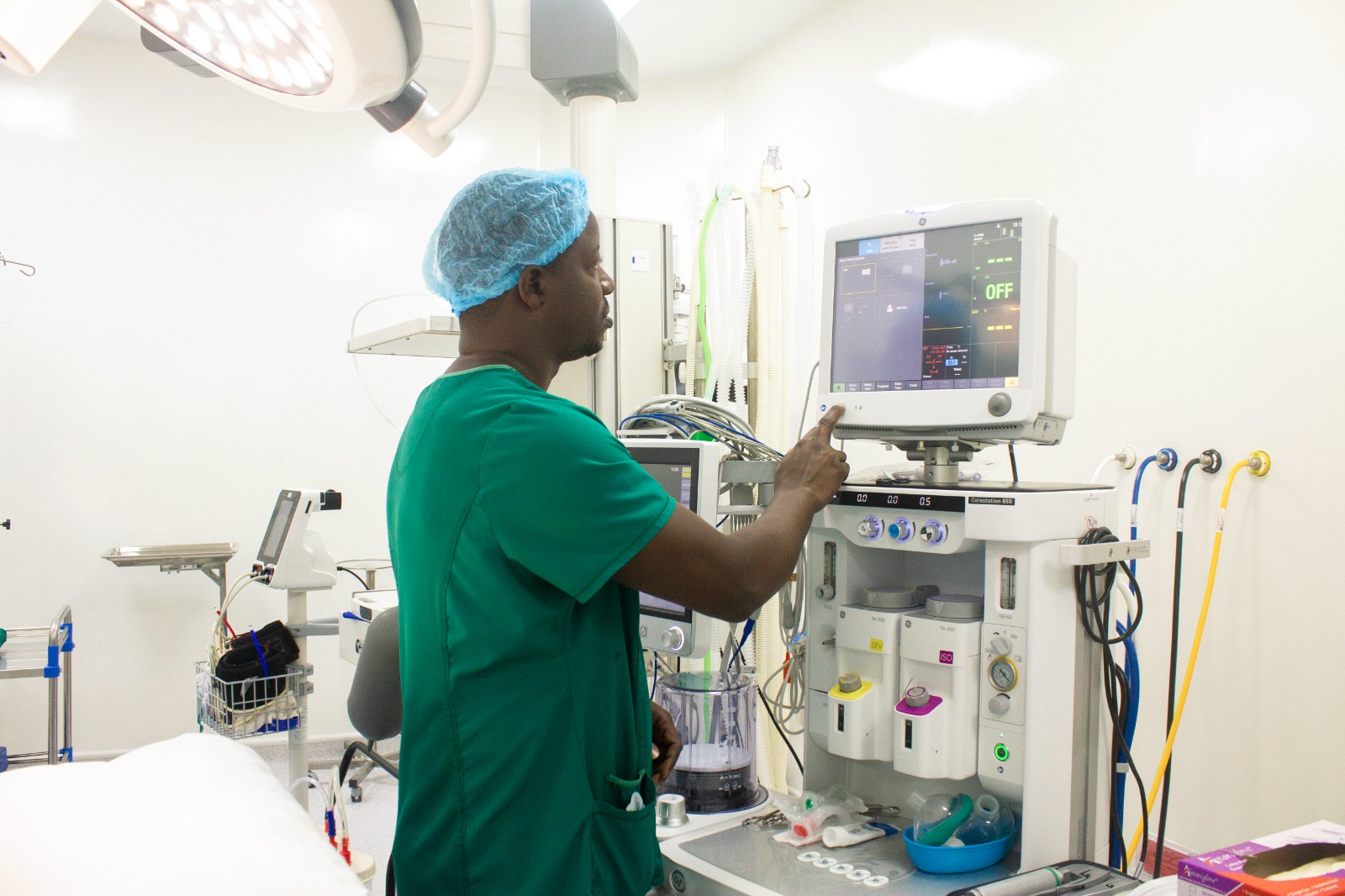 A medic working on a dialysis machine/HANDOUT