

Majority of women traders in the country, up to 93 per cent, have never accessed any form of business or enterprise development training, a survey has revealed.
Research conducted by social enterprise–WOW MOM Kenya with support from the International Development Research Centre (IDRC) indicates that many women traders rely on trial-and-error rather than formal training.
Specific deficits include poor record-keeping, lack of financial
literacy, limited understanding of market intelligence, and difficulties in
forecasting or evaluating business plans, consistently identifying a
significant lack of formal business skills as a major barrier to enterprise
growth and longevity.
Baseline studies of women in urban and peri-urban informal markets (such as Mwariro, Karandini, and Toi markets in Nairobi) found that a vast majority of women had not accessed formal business or financial training.
Women traders also face severe time constraints, a heavy unpaid childcare burden, difficulty accessing credit, and bureaucratic regulatory hurdles.
While there is no exact nationwide census figure for the exact number of women traders, exact data indicates that women own roughly 48 per cent of all MSMEs (Micro, Small, and Medium Enterprises) in Kenya.
In the informal and cross-border trade sectors, women are the dominant demographic making up between 60 per cent and 80 per cent of all small-scale traders.
Experts are now calling for targeted interventions to equip women entrepreneurs with practical enterprise development skills.
Among the proposed measures is the expansion of affordable and accessible business training programmes tailored to women-owned micro and small enterprises.
The findings also highlight the need for interventions that not only improve access to childcare services but also strengthen traders' financial and business management skills to support sustainable livelihoods.
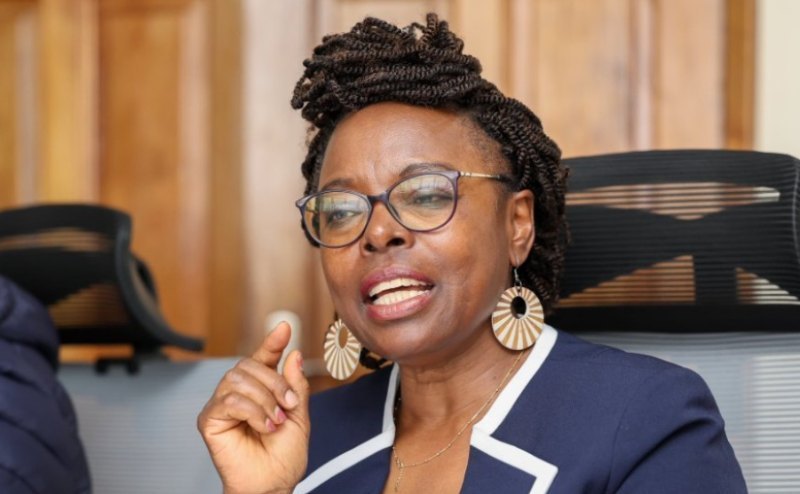
“Financial literacy is an important foundation for business success. However, sustainable economic growth also requires entrepreneurs to embrace innovation, value addition and continuous learning,” WOW MOM Kenya managing director, Peninah Ndegwa, said.
This exposure, she noted, enables traders to see new possibilities for expanding their enterprises and increasing their income, emphasizing that economic empowerment is a critical pillar in building resilient families and child-friendly communities.
WOW MOM has embarked on facilitating financial literacy training that equip women traders with practical skills in financial management, business planning, and enterprise sustainability.
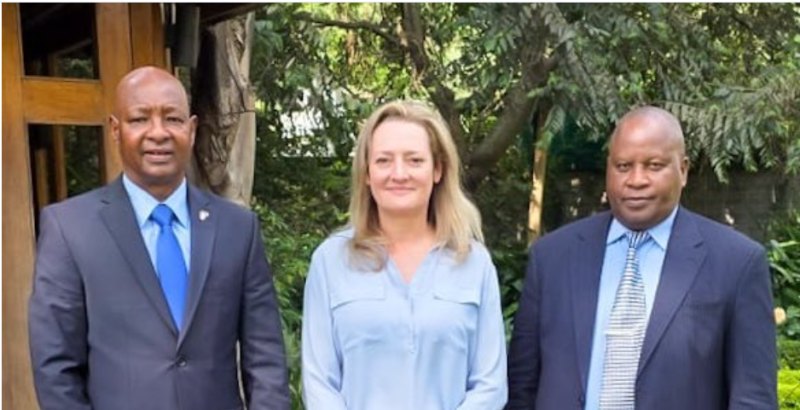
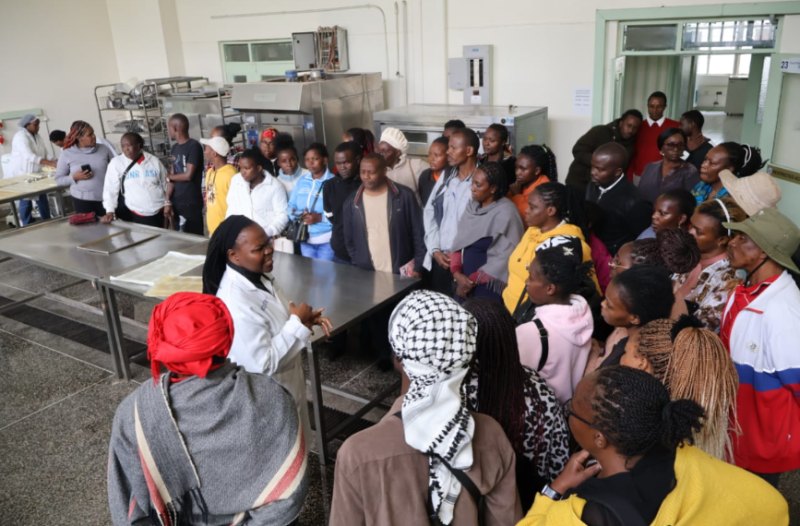
It has also collaborated with Kenya Industrial Research and Development Institute (KIRDI) as part of its ongoing economic empowerment programme.
KIRDI is helping expose trainees to opportunities in value addition, product development, manufacturing processes, and innovation that can help strengthen and grow their businesses.
This is to entrepreneurs improve product quality, diversify their offerings, strengthen branding and packaging, and respond more effectively to market demands.
The exposure is expected to encourage traders to explore opportunities in sectors such as food processing, textiles, leather products, cosmetics, crafts, and other value-added enterprises.
The initiative further underscores the importance of partnerships in creating sustainable livelihoods for women and families.