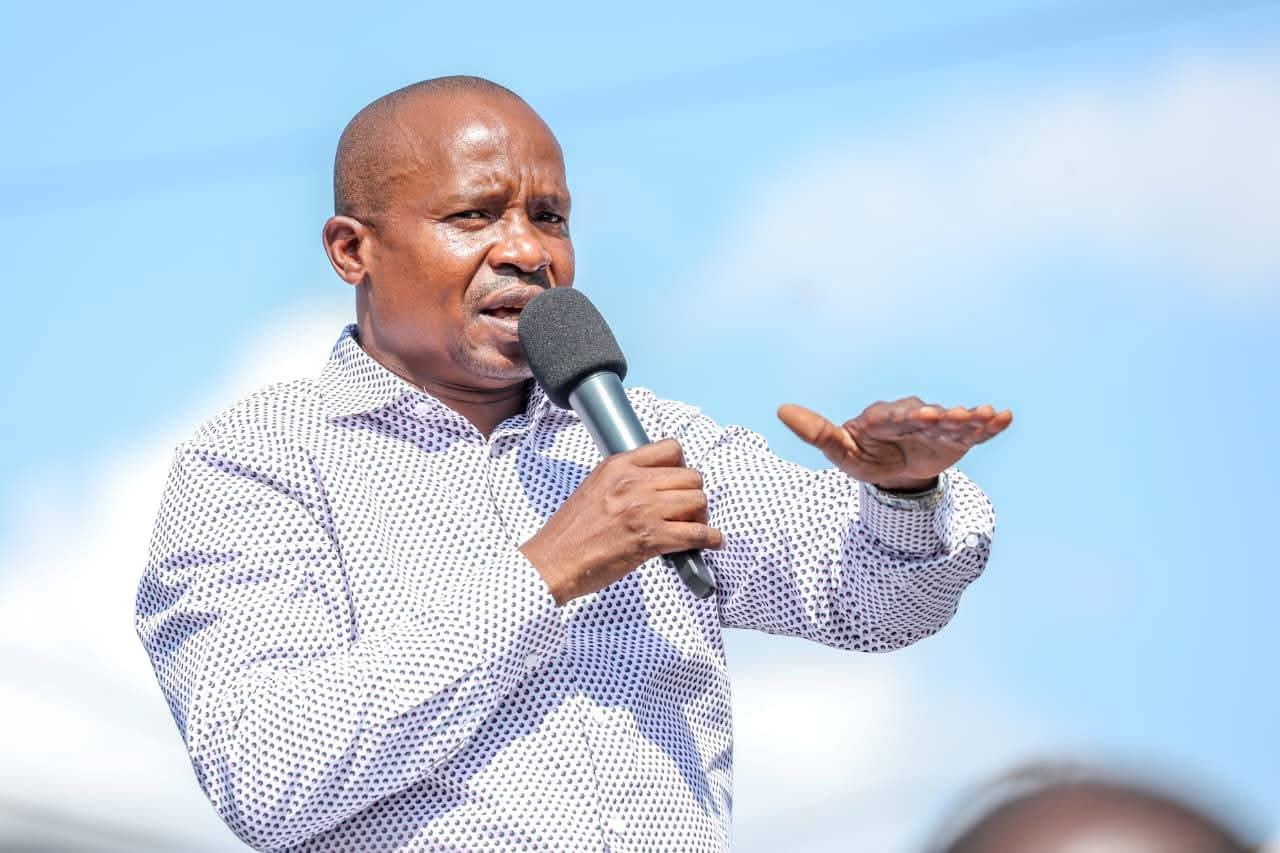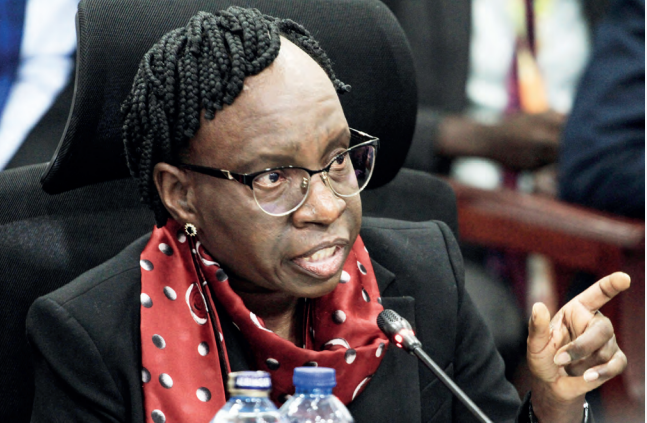


 Majority leader and Dadaab MCA Mohamed Abdi
Farah speaks at the meeting /STEPHEN ASTARIKO
Majority leader and Dadaab MCA Mohamed Abdi
Farah speaks at the meeting /STEPHEN ASTARIKO
The Ethics and Anti-Corruption Commission has concluded a four-day ethics and integrity training programme for members of the Garissa County Assembly.
The training aims to strengthen ethical leadership, accountability and compliance with governance laws among elected leaders.
Speaking during the closing ceremony, majority leader and Dadaab MCA Mohamed Abdi Farah hailed the programme as timely and transformative.
He said it had equipped legislators with critical knowledge and practical skills necessary for responsible leadership and effective governance.
Farah emphasised that ethical leadership remains the cornerstone of public service and urged elected leaders to uphold the highest standards of integrity in serving the public.
"This
training has provided members with essential knowledge on ethical leadership,
accountability and governance," he said.
"It has strengthened our understanding of the responsibilities entrusted to us by the people and reminded us that public office is a sacred trust that must be exercised with honesty, transparency and integrity."
Farah said integrity training should not be treated as a routine administrative
exercise but as a strategic investment in strengthening public institutions and
improving service delivery.
"When
leaders understand their ethical obligations from the outset, they are better
placed to make decisions that serve the public interest, safeguard public
resources and build confidence in government institutions," he said.
While
commending EACC for the initiative, the majority leader called for a review of
the timing of such programmes, urging the commission to institutionalise
integrity training at the beginning of every assembly term rather than towards
the end of an electoral cycle.
Early exposure to governance and integrity standards would enable newly
elected leaders to effectively navigate ethical challenges and embed
accountability principles into their work from the start, he said.
Farah further appealed to EACC to extend similar capacity building programmes to the assembly's Powers and Privileges Committee, noting that strengthening oversight institutions is critical to promoting accountability and good governance in county governments.
The EACC
facilitators from the Ethics Development and Monitoring Department guided
participants through emerging governance challenges, ethical decision-making
processes, conflict-of-interest management and best practices in public
leadership.
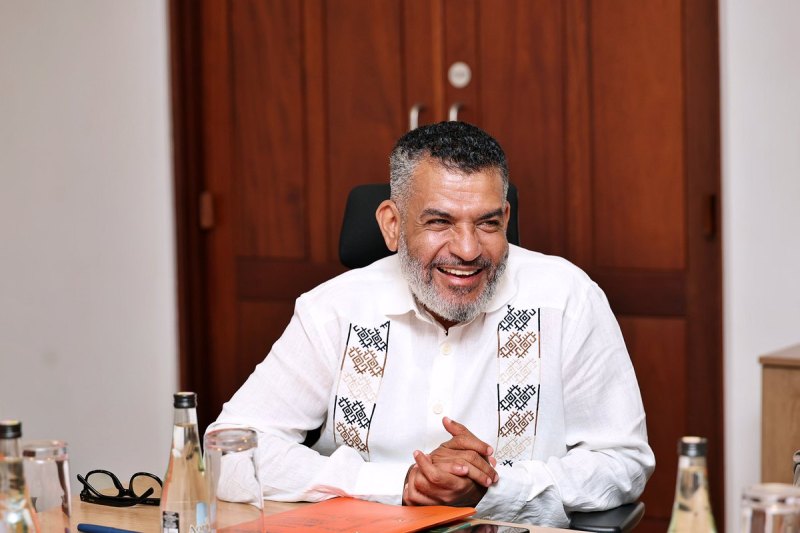
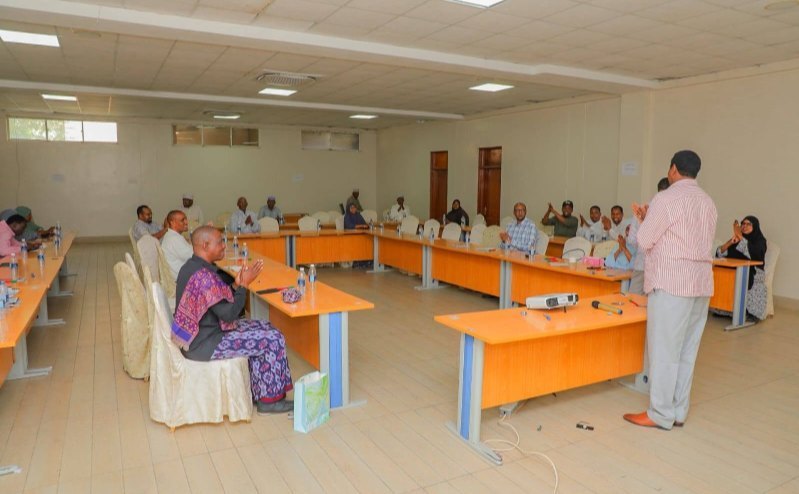 Majority Leader and Dadaab MCA Mohamed Abdi
Farah speaks at the meeting /STEPHEN ASTARIKO
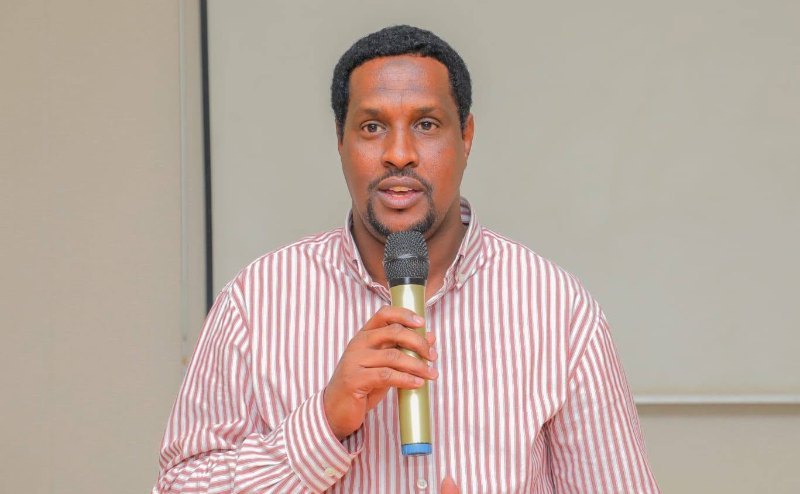
Majority Leader and Dadaab MCA Mohamed Abdi
Farah speaks at the meeting /STEPHEN ASTARIKO
The
training also provided a platform for MCAs to exchange experiences, discuss
challenges affecting public service and explore practical approaches to
enhancing transparency, accountability and citizen trust in governance.
Garissa
County Assembly reaffirmed its commitment to upholding ethical leadership,
responsible decision-making and transparent governance as it works to serve the
people of Garissa county.
"Integrity
is the foundation upon which effective leadership is built. Citizens expect
leaders who are accountable, transparent and committed to the public good.
Programmes such as this help ensure that those expectations are met,"
Farah said.
The
intensive training brought together MCAs to
enhance their understanding of leadership standards, public accountability and
the legal obligations expected of state officers.
Key areas
covered included Chapter Six of the Constitution on Leadership and Integrity,
the Conflict of Interest Act, 2025, and the statutory requirements on the
Declaration of Income, Assets and Liabilities by state officers.
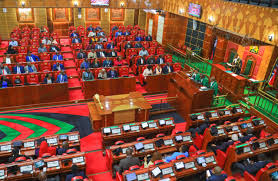
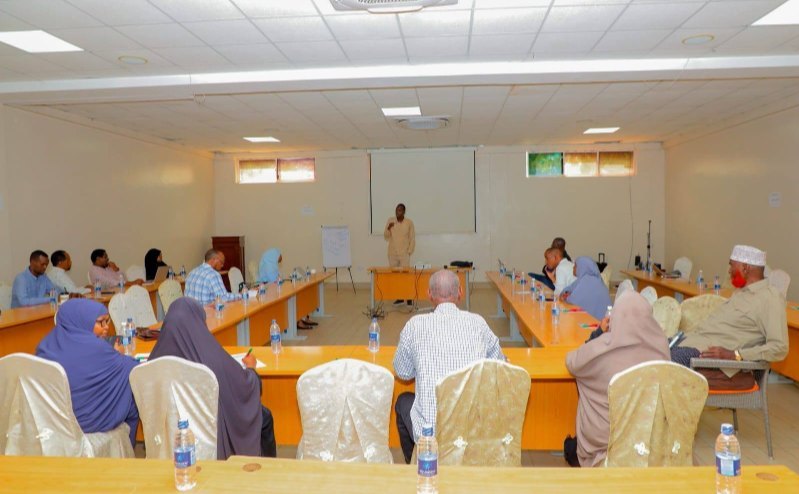 Garissa MCAs and staff follow proceedings during the EACC-led ethics and integrity training
aimed at strengthening ethical leadership, accountability and governance
practices /STEPHEN ASTARIKO
Garissa MCAs and staff follow proceedings during the EACC-led ethics and integrity training
aimed at strengthening ethical leadership, accountability and governance
practices /STEPHEN ASTARIKO