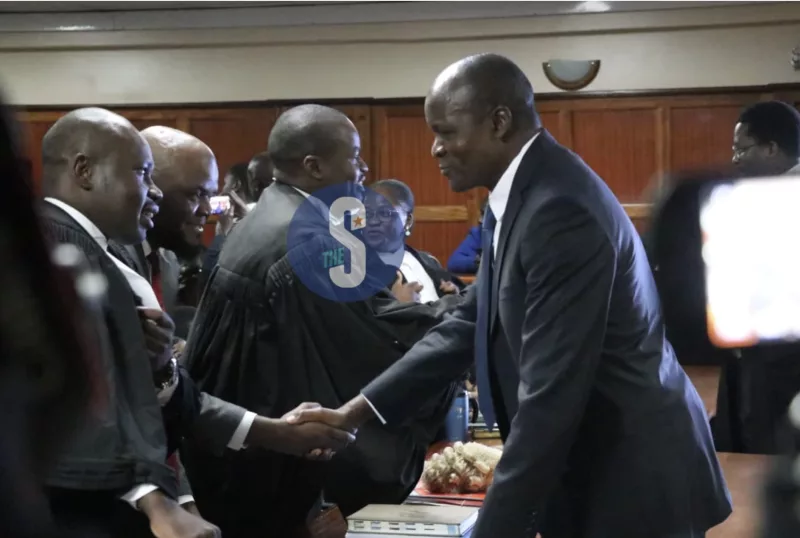
THE newly
constituted Independent Electoral and Boundaries Commission faces an
uphill task as it assumes leadership of one of the country’s most scrutinised
institutions.
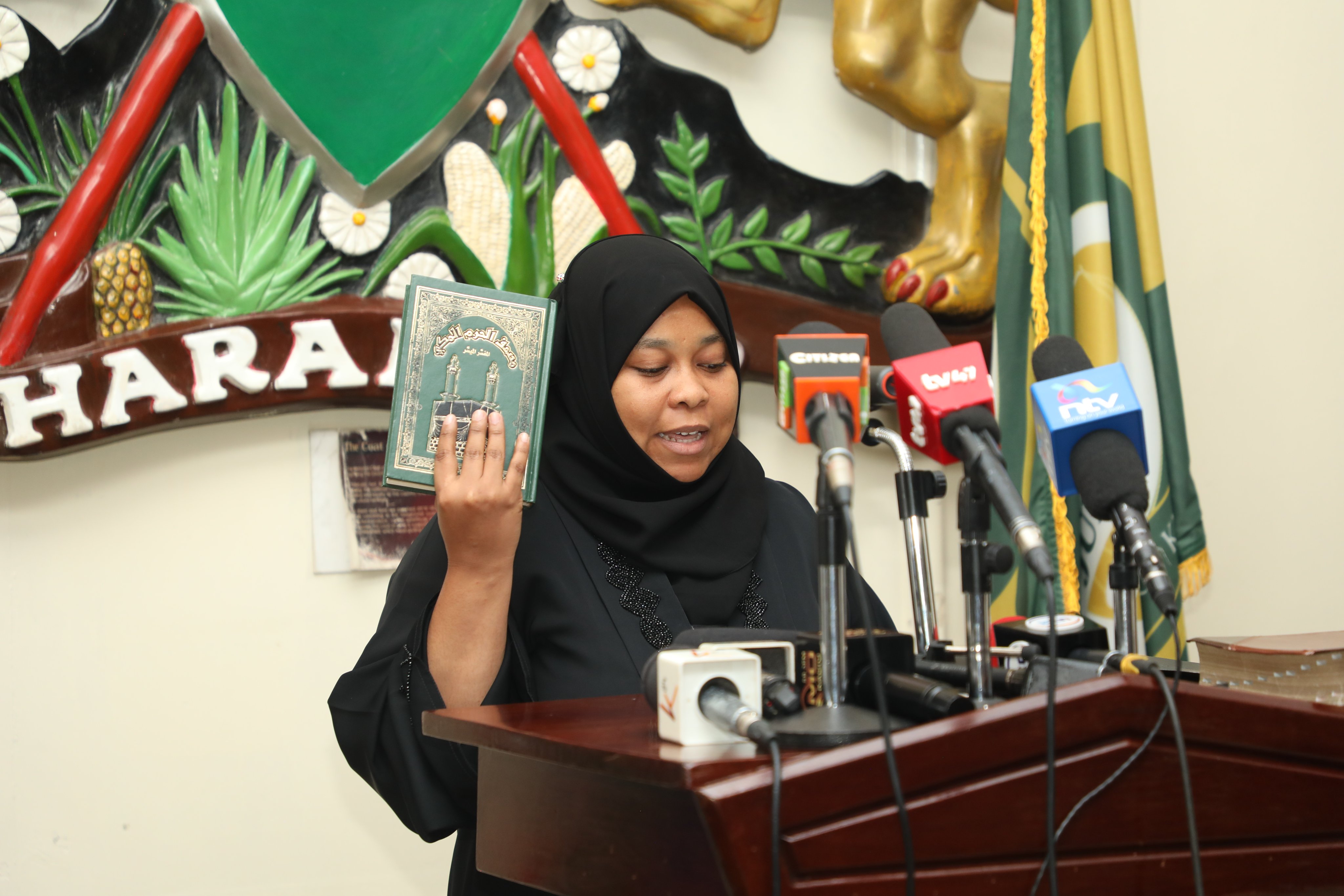
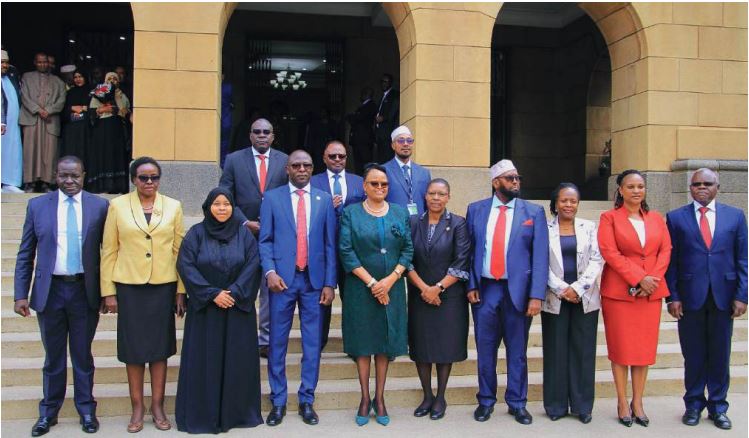
Chairperson Edung
Ethekon and commissioners Anne Nderitu, Moses Mukhwana, Mary Sorobit, Hassan
Noor Hassan, Francis Aduol, and Fahima Abdallah officially took office on Friday,
vowing to deliver credible elections and restore public confidence in the
electoral agency.
Their appointment
followed a bruising recruitment process marked by a political tug of war and
fierce scrutiny.
But, according to analysts, the real challenge
begins now.
The commission is
tasked with overseeing the 2027 General Election, a high-stakes contest
unfolding against a backdrop of mounting political tension, logistical
complexity, and the lingering shadow of past electoral failures.
They inherit an
institution still recovering from the bitter fallout of the 2022 presidential
election, which left Wafula Chebukati’s commission deeply divided.
The dramatic events at
Bomas of Kenya, where Azimio agents stormed the podium, seized microphones, and
nearly disrupted the final declaration of President William Ruto’s victory,
remain a stark reminder of the political volatility that surrounds Kenya’s electoral
processes.
Four commissioners
would later reject the results, further fracturing the institution before being
pushed out entirely.
The stakes for 2027
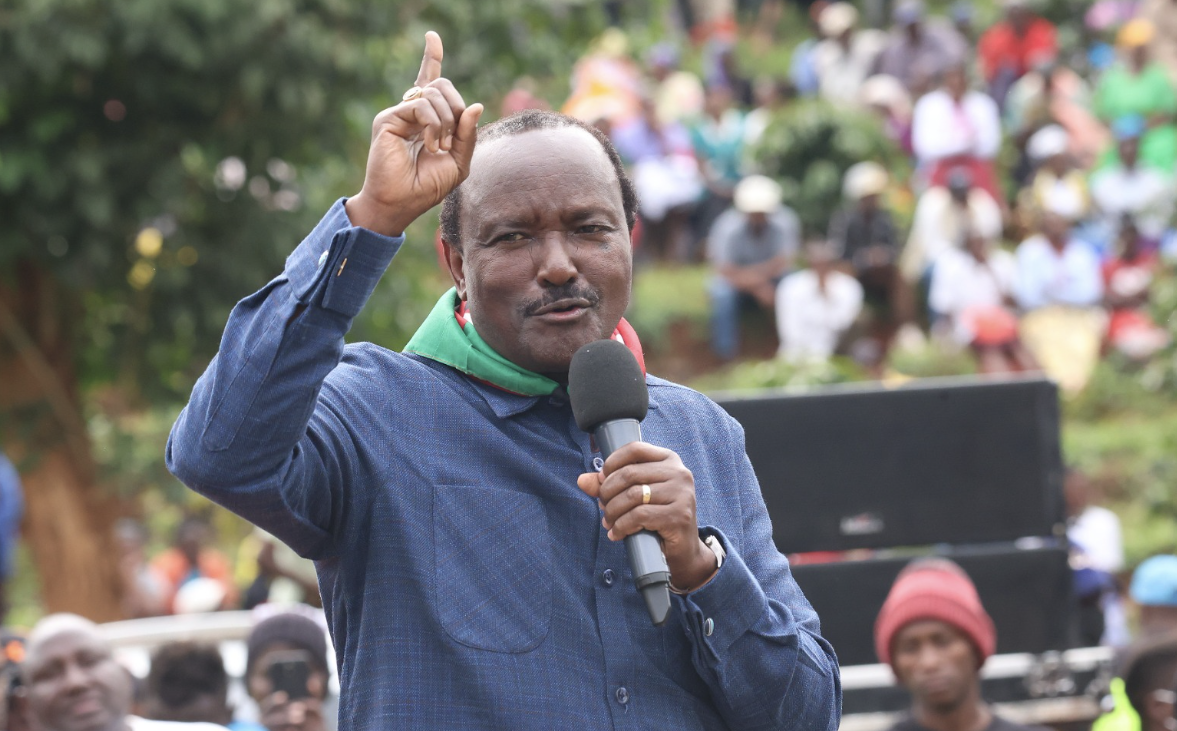
are even higher. Former Deputy President Rigathi Gachagua has already sounded
the alarm, warning that any perception of electoral malpractice could ignite
chaos surpassing the 2007 post-election crisis.
“If they fail to
deliver, 2007 will be a Christmas party,” Gachagua warned, in a chilling
reference to the violence that claimed over 1,300 lives and displaced hundreds
of thousands.
Rights groups and
public watchdogs have also raised the pressure. Consumer Federation of Kenya
boss Stephen Mutoro questioned the new team’s readiness to uphold democratic
integrity under immense pressure.
“Will they serve Kenya or one man’s ego? Will
they learn from 2007-08 or rehearse a sequel? With timelines tighter than the
economy, can they even mount a credible poll?” Mutoro posed.
The new commissioners
step into a charged political arena, with Ruto expected to seek re-election
amid growing rivalry with his estranged deputy Gachagua.
Analysts warn that how
the IEBC handles the vote could determine whether this political contest is
settled at the ballot or spills into the streets.
Chief Justice Martha
Koome, who presided over the swearing-in, emphasised the weight of their
responsibility.
“IEBC is not merely an
elections management body but one of the cornerstones of Kenya’s constitutional
democracy,” she said.
“Your work impacts the
legitimacy of the government, the stability of the nation, and the confidence
of the people in the rule of law and democratic governance.”
Koome reminded the new
team that they now hold the keys to national stability and that their decisions
could either heal or harm the country.
“You are now the
custodian of a process that has in the past defined the trajectory of our
country, for better or for worse,” she said.
She issued a stern
call for independence: “May the first prefix of your name—Independent—always
sound a clear tone, especially if anybody or institution attempts to interfere
with your decisions.”
Experts argue that for
the IEBC to restore credibility and avoid catastrophe, it must enforce strict
neutrality especially in results transmission and dispute resolution.
Arthur Osiya,
Principal Administrative Secretary in the Executive Office of the President,
told the commissioners that the country’s future now rests on their shoulders.
“You are a commission,
not commissions. Collegiality and collectiveness are key to the trust you will
get from us,” Osiya said. “There is a lot of hope out there. Make it your task
to carry Kenyans with you.”
With the bitter
fallout between Ruto and his former deputy, and the camps building for the 2027
elections, the IEBC risks becoming a battleground.
Gachagua has openly
clashed with Ruto’s allies, accusing them of orchestrating "electoral
monkey business" and warning of dire consequences if the 2027 polls are
mismanaged.
His rhetoric evokes
memories of 2007, when disputed results led to more than 1,300 deaths, a
scenario the former DP suggests could be repeated if the IEBC fails to uphold fairness.
Even so, IEBC
chairperson Edung Ethekon exuded confidence that the team would deliver the
assignment.
‘We will approach the
duty with urgency and commitment as guided by the constitution and the people’s
expectation,” the incoming chairperson said.
“Credibility
of elections depends on respect for the rule of law. We are committed to taking
that responsibility seriously. We will abide by the words and spirit of our
oath of office.”
Ethekon stated that
the IEBC would “ensure that every citizen’s voice is not only heard but
honoured.”
“My first loyalty is
to the people of Kenya, who hold sovereign power. I assure Kenyans that their
voices will not only be heard but will also count in the coming elections.”
He forewarned that the
commission would face challenges in misinformation, disinformation and fake
news, but they will overcome.
“We will work with the
media to build trust in our electoral processes. A credible election is not the
IEBC’s alone but a national responsibility. Let other institutions support us.”
To the citizens, the
IEBC chief said: “Show up, engage, vote and participate in ensuring we do our
job well for the sake of the country.”
The new commissioners
are not just administrators but referees in a high-stakes political duel with a
nexus to national stability.
The team further faces
logistical hurdles, considering that the commission has not been fully
constituted for years, delaying key preparatory steps.
The new IEBC team has
to source a Sh57.4 billion election budget, register new voters and replace
outdated election technology.
Pending bills,
including Sh2.65 billion in legal fees from past election disputes, threaten to
derail operations.
Nairobi Woman
Representative Esther Passaris said the team should be “guided by wisdom,
integrity, and an unwavering commitment to electoral justice.”
INSTANT ANALYSIS
As the new IEBC team settles in, the
weight of their mandate is clear and has been restated by key players.
However, the road ahead is not so paved, and is fraught with political
landmines, logistical nightmares, and the shadow of past electoral failures.
The new commissioners’ success or failure will not just determine the
credibility of the 2027 polls but could also define Kenya’s democratic future.