

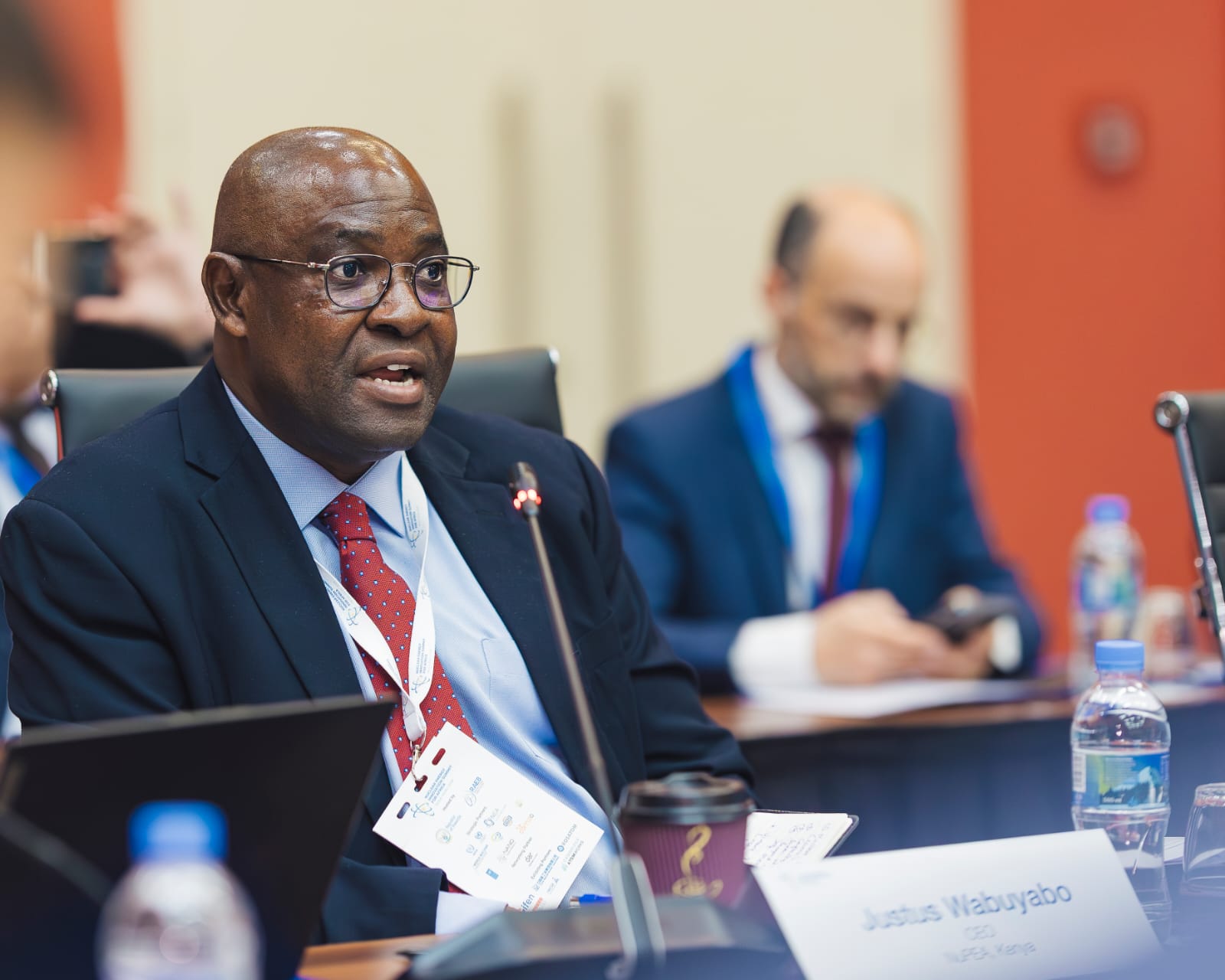
Kenya has intensified its push toward nuclear energy development following a series of high-level diplomatic engagements led by the Nuclear Power and Energy Agency (NuPEA) during the Nuclear Energy Innovation Summit for Africa (NEISA 2026) in Kigali, Rwanda.
The four-day summit, held from May 18-21, brought together African leaders, policymakers, financiers, regulators and global technology firms to discuss how the continent can turn nuclear energy ambitions into practical and bankable projects.
The summit, themed “Powering Africa’s Future: Turning Nuclear Energy Ambition into Investable Reality,” was officially opened by Rwandan President Paul Kagame and attended by Tanzanian President Samia Suluhu Hassan and Togolese President Faure Gnassingbé.
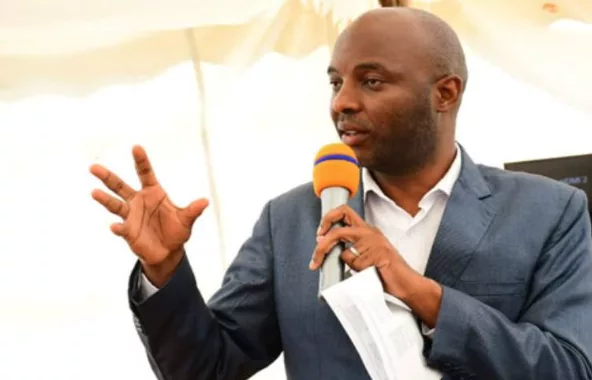
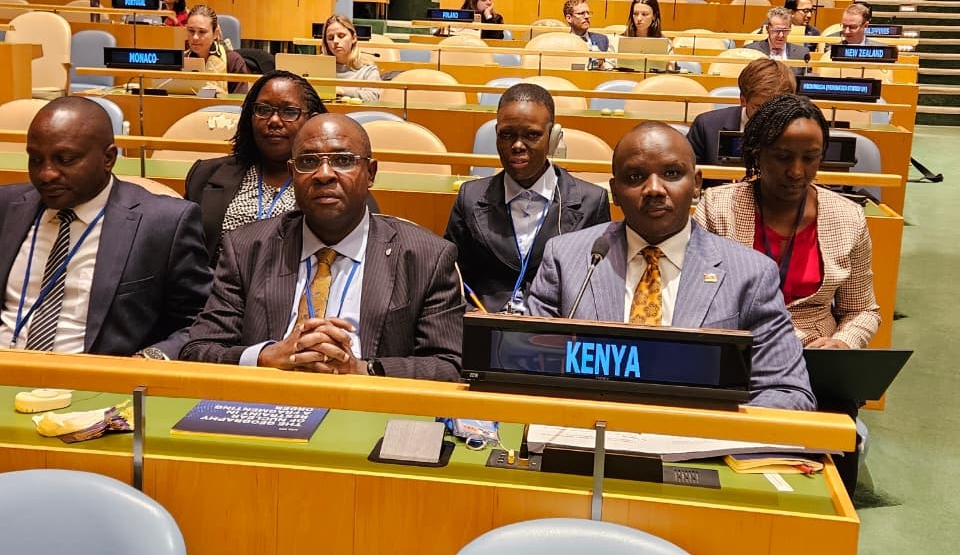
Nupea CEO Justus Wabuyabo who represented Kenya took centre stage at the summit after moderating the Ministerial Compact roundtable on the importance of African cooperation in nuclear energy development.
Wabuyabo said collaboration among African countries would be critical in building technical expertise, harmonising regulations and attracting investments needed to support nuclear energy programmes across the continent.
“Africa must strengthen partnerships and cooperation if we are to successfully transition from nuclear ambition to actual implementation,” Wabuyabo said.
One of the key outcomes for Kenya during the summit was progress in negotiations with the United States over the proposed “123 Agreement,” a crucial legal framework required under US law to facilitate peaceful nuclear cooperation.
Wabuyabo held bilateral talks with Renee Pan Sonderman, Acting Principal Deputy Assistant Secretary at the US Bureau of Arms Control and Non-Proliferation, alongside Seth J. Maddox, the US Civil Nuclear Cooperation Team Lead.
The discussions focused on advancing the agreement, which would pave the way for transfer of nuclear technology, equipment and expertise between Kenya and the United States.
Officials involved in the talks noted that concluding the agreement would unlock broader technical cooperation and commercial investment opportunities in Kenya’s nuclear sector.
Kenya also secured fresh support from China after meetings with a delegation led by Liu Jing, Vice Chairman of the China Atomic Energy Authority.
During the discussions, China reaffirmed its interest in supporting the development of Kenya’s first nuclear power plant, a proposed 2,000-megawatt facility planned for Siaya County.
The Chinese delegation further pledged expanded collaboration in training and capacity building through scholarships and specialized nuclear engineering programmes for Kenyan professionals.
Wabuyabo also held talks with executives from the South African Nuclear Energy Corporation (NECSA) on possible regional cooperation in nuclear research, supply chains and regulatory development suited to African conditions.
He emphasized that regional partnerships would help African countries share expertise, reduce operational costs and accelerate preparedness for nuclear power generation.
The Kenyan delegation is also expected to hold further engagements with the Rwanda Atomic Energy Board as both countries seek to strengthen collaboration while pursuing their first nuclear power programmes.
Kenya views nuclear energy as a strategic long-term solution to meet rising electricity demand, support industrialisation and diversify the country’s energy mix as part of its broader economic transformation agenda.